Last updated November 17, 2026







Free written scope consultation - allowances, timeline, and change-order rules on paper before a single trade is scheduled
Seasonal Construction Care for Boulder City: Year-Round Homeowner’s Guide
Boulder City sits roughly 2,500 feet higher than the Las Vegas Strip, and that elevation changes everything about how a house ages here. Homeowners who treat this as generic Southern Nevada desert climate miss the frost events that crack stucco every January, the caliche layers that turn a summer monsoon into a ponding problem, and the roof surface temperatures that cook shingles from May through September. This guide lays out the seasonal care calendar that actually fits Boulder City’s two-axis climate: desert heat stress and a freeze-thaw microcycle flatland Las Vegas never sees. You’ll get month-by-month tasks, the mistakes that cost the most, and clear lines between what you can check yourself and what needs a licensed contractor.
Quick Answer
Seasonal construction care in Boulder City runs on two clocks, not four seasons: a May-through-September desert heat cycle that stresses roofing, HVAC, and exterior coatings, and a winter freeze-thaw cycle driven by the city’s 2,500-foot elevation that damages stucco, concrete, and exposed plumbing. The three highest-value tasks are a pre-summer roof and coating inspection in April, a monsoon drainage and weep screed check in June, and a freeze-readiness walkthrough of exposed pipes and flat roofs in November. Skip any of the three and you’re usually looking at repair costs in the thousands rather than maintenance costs in the hundreds.
Styles & brands we work with
- Kitchen remodeling
- Bathroom remodeling
- Home additions & ADU
- Roofing
- Windows & doors
- Driveway & pavers
- Fence
Table of Contents
- Pre-Summer: The April Checklist Before Heat Load Peaks
- Monsoon Prep: Drainage, Caliche, and Stucco Weep Screeds
- Fall Transition: The Freeze-Prep Work Boulder City Homeowners Skip
- Winter Checks: Flat Roofs and Evaporative Cooler Winterization
- The Month-by-Month Reference Calendar for Boulder City
- Common Mistakes to Avoid
- When to Call a Professional
- Frequently Asked Questions
Pre-Summer: The April Checklist Before Heat Load Peaks
By late April, an asphalt shingle roof on a south-facing slope in Boulder City can hit surface temperatures well north of 150°F on a clear afternoon. That’s not trivia; it’s the reason April is the deadline for roof and coating work, not June. Materials applied to a roof deck already running at peak heat load cure unevenly, and any small membrane or flashing defect that would be a minor fix in March becomes a fast-growing leak source once thermal expansion starts working on it daily.
The April checklist we recommend for Boulder City homes:
- Walk the roof perimeter from the ground with binoculars. Look for lifted, curled, or missing shingles, cracked flashing around chimneys and vents, and granule buildup in gutters or at downspout exits.
- Inspect exterior coatings. Stucco, painted wood trim, and elastomeric coatings all take UV punishment here. Hairline cracks under a quarter-inch can usually be sealed; anything wider or any crack that’s growing needs a closer look.
- Schedule HVAC service before the first heat wave, not during it. A tune-up and filter change in April costs a fraction of a mid-July emergency call, and compressor failures are far more common when a unit runs its first 100°F+ week without a check.
- Check attic ventilation and soffit airflow. Soffit is the vented underside of your roof overhang. If it’s blocked by insulation or debris, attic temps climb and shingle life shortens.
- Confirm irrigation and exterior spigot function before you rely on them. A failed hose bib found in April is a $150 fix; found in August, it’s a dead landscape bed.
If your April inspection turns up roof or exterior issues that go beyond patching, it’s worth having a licensed contractor scope the work properly. Our General Contractor in Boulder City page covers what a full exterior assessment includes and how we structure a written scope before any work starts.
Monsoon Prep: Drainage, Caliche, and Stucco Weep Screeds
Boulder City’s monsoon window runs roughly late June through September, and the rain here arrives in short, intense bursts that overwhelm a drainage system sized for average rainfall. The bigger problem is what the water hits: much of the city sits on caliche, a naturally cemented calcium carbonate layer that behaves like a shallow hardpan. Water that would soak into ordinary desert soil in ten minutes can pond against a foundation for hours on caliche. That ponding is where the freeze-thaw damage in January actually starts.
What to inspect before the first monsoon:
- Grading and swales. The ground should slope away from the foundation at roughly six inches over the first ten feet. A swale is a shallow grass or gravel-lined channel that carries water around the house. If yours has silted in or been pushed flat by landscaping, it’s not doing its job.
- Weep screeds. A weep screed is the metal flashing at the bottom of a stucco wall that lets moisture drain out and away. If yours is buried by soil, pavers, or mulch, trapped water wicks back into the wall assembly. This is one of the most common and most expensive moisture intrusion failures we see in Boulder City.
- Downspout discharge points. Water should exit at least four to six feet from the foundation, onto a splash block or into a graded channel, never straight down the wall.
- Window and door flashing. Check the caulk lines and flashing at every opening on the windward side of the house.
Do this inspection in early June, before the first real storm. A caliche-related ponding problem found in June is a weekend of grading work. Found in August after a wall has been wet for three weeks, it’s moisture in the wall cavity and a much larger repair.
Fall Transition: The Freeze-Prep Work Boulder City Homeowners Skip
This is the section most seasonal guides leave out for Boulder City. The city is not flatland desert, and it does see frost. Enough hard freezes hit each winter that exposed plumbing, uninsulated hose bibs, and exterior concrete are all vulnerable. The failure pattern is predictable: water gets into a crack or a pipe fitting during a cold night, freezes, expands, and the damage shows up on the thaw. Homeowners who think of Boulder City as a no-freeze zone don’t inspect for it until something breaks.
Exposure points that matter, especially in the 1950s through 1980s construction common across much of the city:
- Hose bibs (exterior spigots). The most common freeze failure. Frost-proof bibs installed on older homes may not be, and an uninsulated bib can split the supply line inside the wall.
- Exposed supply lines in unheated garages, crawlspaces, and under-sink cabinets on exterior walls. Older homes often lack the pipe insulation that newer builds carry.
- Irrigation backflow assemblies and valve boxes. These sit above ground and freeze first. Many need to be drained or insulated before the first hard freeze.
- Exterior concrete flatwork. Hairline cracks that were cosmetic in summer widen with freeze-thaw. Sealing them in October is cheap; replacing a slab is not.
- Stucco and painted wood on north-facing walls. North walls don’t thaw during the day, so moisture sits longer. Check caulk and paint condition there specifically.
November is the right month for this walkthrough in Boulder City. Once hard overnight freezes start, you’re already behind. If you’re planning a larger exterior or interior project, our Bradford Remodeling Boulder City home page gives an overview of how we scope and write up work before the season turns.
Winter Checks: Flat Roofs and Evaporative Cooler Winterization
Flat and low-slope roofs are common on Boulder City’s mid-century stock, and they behave differently from pitched roofs in winter. Ponding water from a slow drain becomes a freeze-thaw problem on the membrane, and a small seam separation is easy to miss when it’s cold. Check drains and scuppers for debris in December, confirm the membrane has no visible blisters or separations, and note any soft spots underfoot that suggest wet insulation below.
Evaporative coolers, or swamp coolers, need winterization before the first freeze. This is a task a homeowner can usually handle, but only up to a point. Here’s the split we use:
- Homeowner-serviceable: shut off the water supply to the cooler, drain the water line and the pan, and cover the unit to keep cold air from backdrafting into the house. Replace or remove the cooler pad per the manufacturer’s instructions.
- Call a licensed mechanical contractor when: the water line won’t drain, the unit has a gas connection that needs to be shut off and confirmed, the roof penetration or curb around the unit is cracked, or the cooler is original equipment on an older home and hasn’t been serviced in years. Gas-fired units and any work that touches the roof membrane should go to a licensed professional.
Furnace and heat pump service belongs on the same November schedule. Getting a heating system checked before it’s needed beats discovering a failed igniter on the coldest night of the year.
The Month-by-Month Reference Calendar for Boulder City
This calendar is built around Boulder City’s actual climate pattern, not a generic Nevada average. Surface roof temperatures peak in July and August, the freeze-thaw window runs roughly December through February, and the monsoon window falls between late June and September.
- January: Inspect for freeze damage to pipes, hose bibs, and exterior concrete cracks. Check north-facing stucco.
- February: Re-check any freeze repairs from January. Plan spring exterior coating work. Confirm furnace filters are clean.
- March: Service HVAC cooling system before the first heat wave. Inspect roof from the ground. Clear gutters and downspouts.
- April: Full pre-summer roof and coating inspection. Seal hairline stucco cracks. Confirm soffit and attic ventilation are clear. Last good month for exterior paint and coating work.
- May: Heat load climbs. Confirm irrigation is running correctly. Check that window and door seals are intact before AC season peaks.
- June: Monsoon prep. Grade and swale check. Weep screed inspection. Clear any caliche ponding spots before the first storm.
- July: Peak heat and monsoon. Watch for interior water staining after storms. Don’t schedule exterior coating work; wait for cooler temperatures.
- August: Continue storm-watch inspections. Note any roof leaks or wall moisture; schedule repair for September.
- September: Post-monsoon roof inspection. Repair any damage found. Good window for exterior repairs before freeze season.
- October: Seal exterior concrete cracks. Insulate exposed pipes. Inspect hose bibs and irrigation backflow assemblies.
- November: Freeze-readiness walkthrough. Winterize the evaporative cooler. Schedule furnace service. Flat roof drain clearing.
- December: Monitor flat roofs for ponding and membrane issues. Watch for pipe freeze warnings. Confirm interior shutoffs are accessible in an emergency.
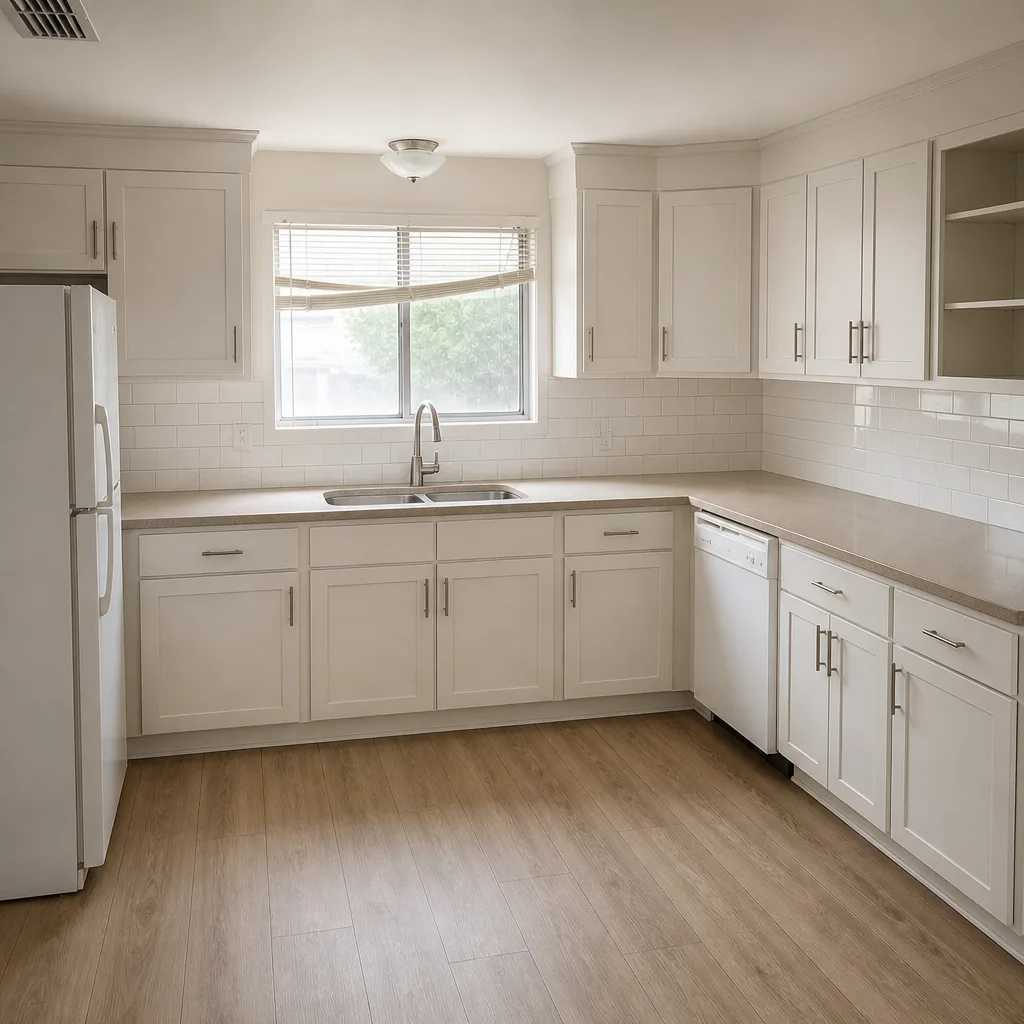
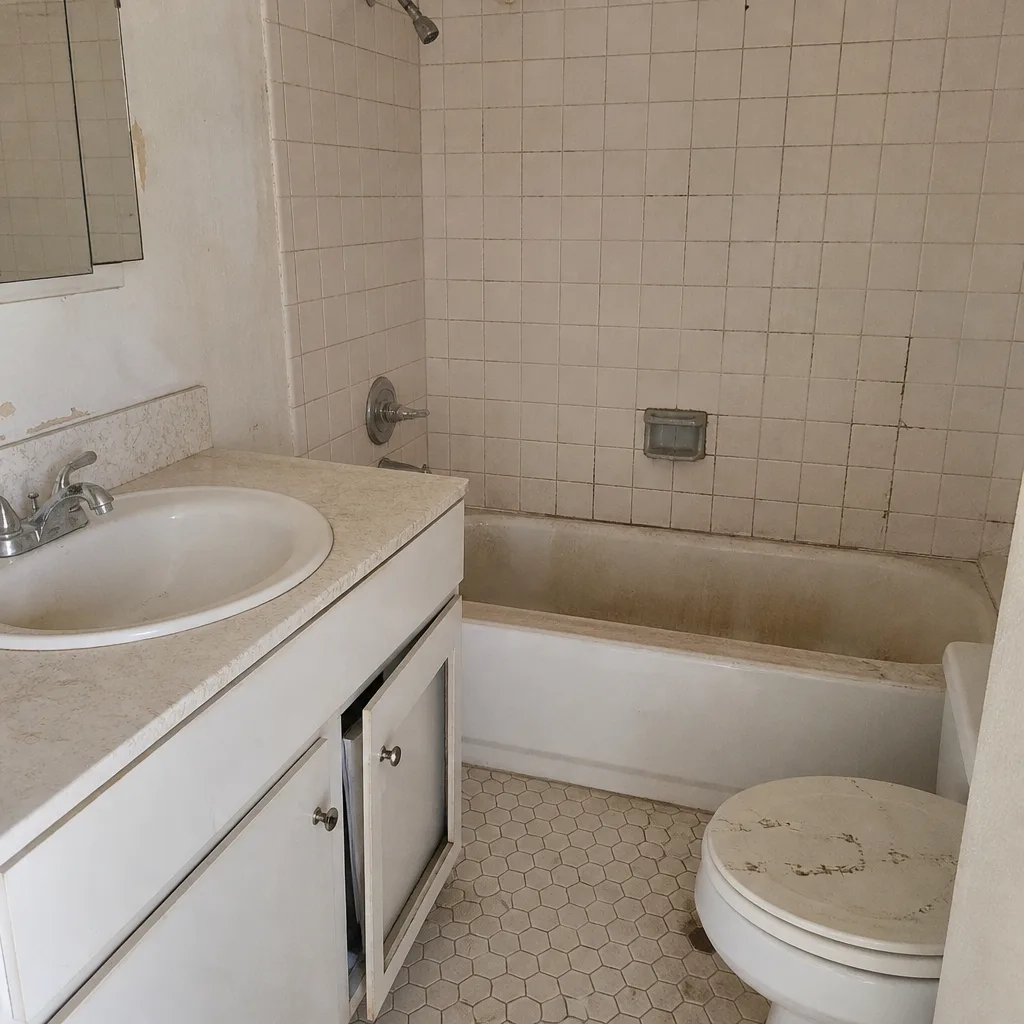
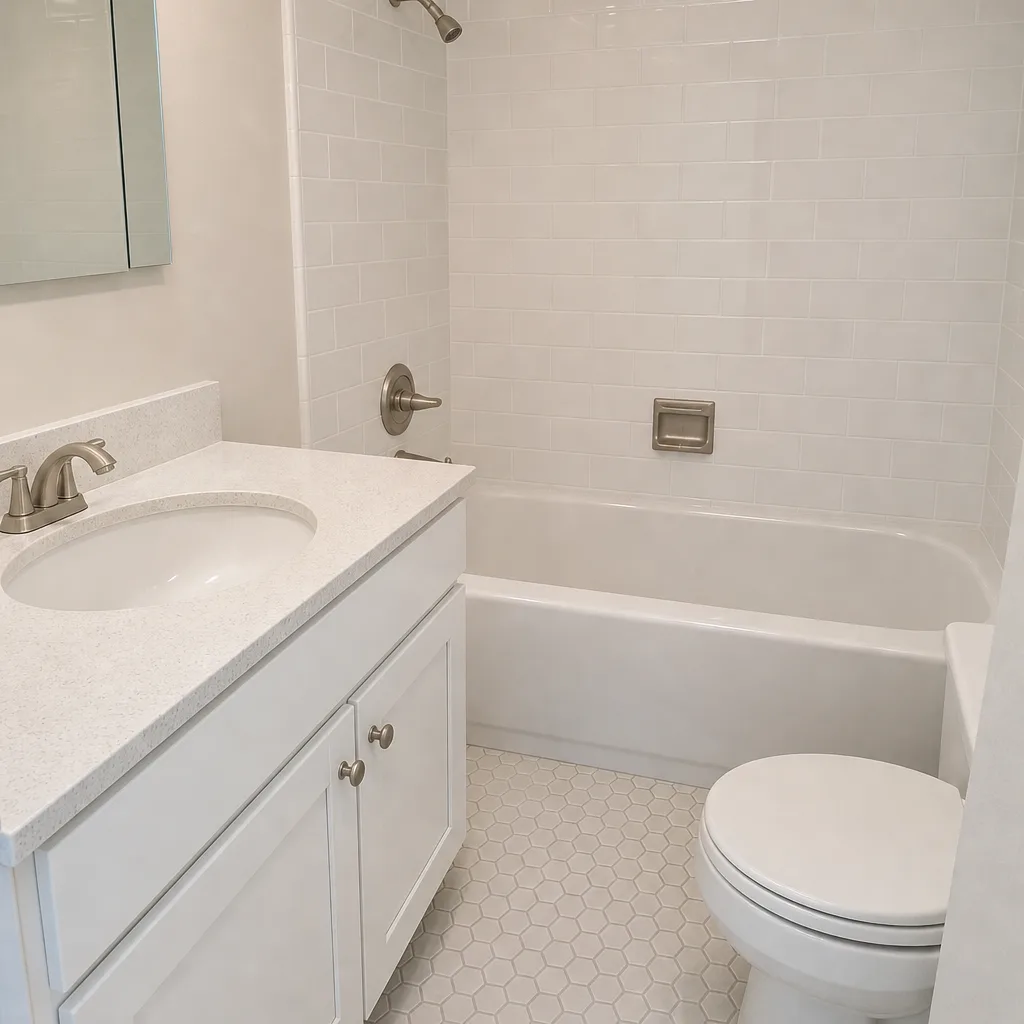
For kitchen and bath areas, winter is also a good time to check under-sink cabinet plumbing for exposed lines and slow leaks, since those cabinets sit against exterior walls in many older Boulder City homes. If a winter check turns into a renovation plan, start with our Kitchen Remodeling in Boulder City and Bathroom Remodeling in Boulder City pages rather than guess at scope.
Common Mistakes to Avoid
- Treating Boulder City like flatland Las Vegas. The 2,500-foot elevation difference means real frost events and freeze-thaw damage that homeowners miss because they don’t think they’re in freeze territory.
- Ignoring the weep screed. Burying the stucco weep screed under soil, pavers, or mulch is one of the most common moisture intrusion causes we find in Boulder City, and it’s almost always avoidable.
- Waiting until summer to service HVAC. A unit serviced in March costs far less than an emergency call in July, and compressor failures spike when a system runs its first hard heat week unchecked.
- Skipping the fall pipe inspection. Hose bibs and exposed supply lines in older homes are the most predictable freeze failures. A few dollars of pipe insulation in October beats a burst line in January.
- Doing roof and gas work yourself. Roof work at height and any gas connection on an evaporative cooler are not homeowner tasks. The injury and liability risk outweighs any savings.
- Assuming a caliche lot drains like ordinary desert soil. Water ponds on caliche. If your yard has low spots that hold water after rain, grading matters more than you’d think.
- Scheduling exterior coating work in July. Materials applied at peak heat load cure unevenly and fail sooner. April and September are the real windows in Boulder City.
When to Call a Professional
Some tasks in this guide are homeowner-serviceable: draining an evaporative cooler, sealing hairline concrete cracks, clearing gutters. Others genuinely need a trained professional. Call one for any roof work at height, any gas line or gas-fired appliance, any electrical work, and any ceiling-height exterior repair. Call one for stucco moisture intrusion you can’t trace, for a flat roof with soft spots or membrane blisters, and for anything involving a pipe you can’t shut off. Structural cracks, foundation movement, and caliche ponding that keeps recurring after regrading also belong with a licensed contractor.
Bradford Remodeling Boulder City offers free estimates in Boulder City – call (844) 797-9259. We give a written price before any work starts, and every completed project carries the 365-Day Done Right Promise: if the work fails within that window, we come back and correct it at no charge. No surprises at the door, and a real person answers the phone 24/7.
Frequently Asked Questions
Yes. Boulder City sits about 2,500 feet higher than Las Vegas and regularly sees overnight frost and hard freezes in December, January, and February. That elevation is exactly why pre-winter pipe and stucco checks matter here, even though most Nevada seasonal care guides are written for flatland desert conditions. Call (844) 797-9259 if you want an assessment of your home’s freeze exposure points.
An April roof inspection, done before peak heat load kicks in. By summer, roof surface temperatures on south-facing slopes can exceed 150°F, and small defects grow fast once daily thermal expansion starts working on them. Inspect in April, repair in April or September, and don’t apply coatings in July. For a full exterior scope, call (844) 797-9259.
Most likely caliche, a hard, cemented soil layer common across Boulder City that stops water from draining at normal rates. Regrading and swales help, but if water is ponding against the foundation you need a contractor to look at the grading and at your stucco weep screed before the next storm season. Call (844) 797-9259 for a free estimate.
You can handle the basic steps: shut off the water supply, drain the pan and line, and cover the unit. But if the unit is gas-fired, won’t drain, or the roof curb around it is cracked, call a licensed mechanical contractor. Roof work and gas connections are not homeowner tasks. Call (844) 797-9259 and we can point you to the right scope.
Twice a year is the practical answer: once in March before cooling season and once in November before heating season. In this climate a single missed season can mean a compressor failure in July or a failed igniter on a cold December night. For exterior or interior work tied to the HVAC changeover, call (844) 797-9259 for a free estimate.
We come back and correct it at no charge. Every completed project carries the 365-Day Done Right Promise, and that extends to a full year from completion. It’s written into the scope, not just promised verbally. Call (844) 797-9259 with any questions about what the guarantee covers.
The Bottom Line
Boulder City’s elevation and its caliche ground are what separate a real seasonal maintenance plan from a generic one. The three tasks that matter most are an April roof and coating inspection before heat load peaks, a June monsoon prep that includes grading and weep screed checks, and a November freeze-readiness walkthrough of exposed pipes, hose bibs, and the evaporative cooler. Everything else in the calendar supports those three windows. A written price before work starts and the 365-Day Done Right Promise are how we keep a maintenance plan from turning into a surprise invoice. Call (844) 797-9259 for a free estimate.
Written by the team at Bradford Remodeling Boulder City.
See the difference
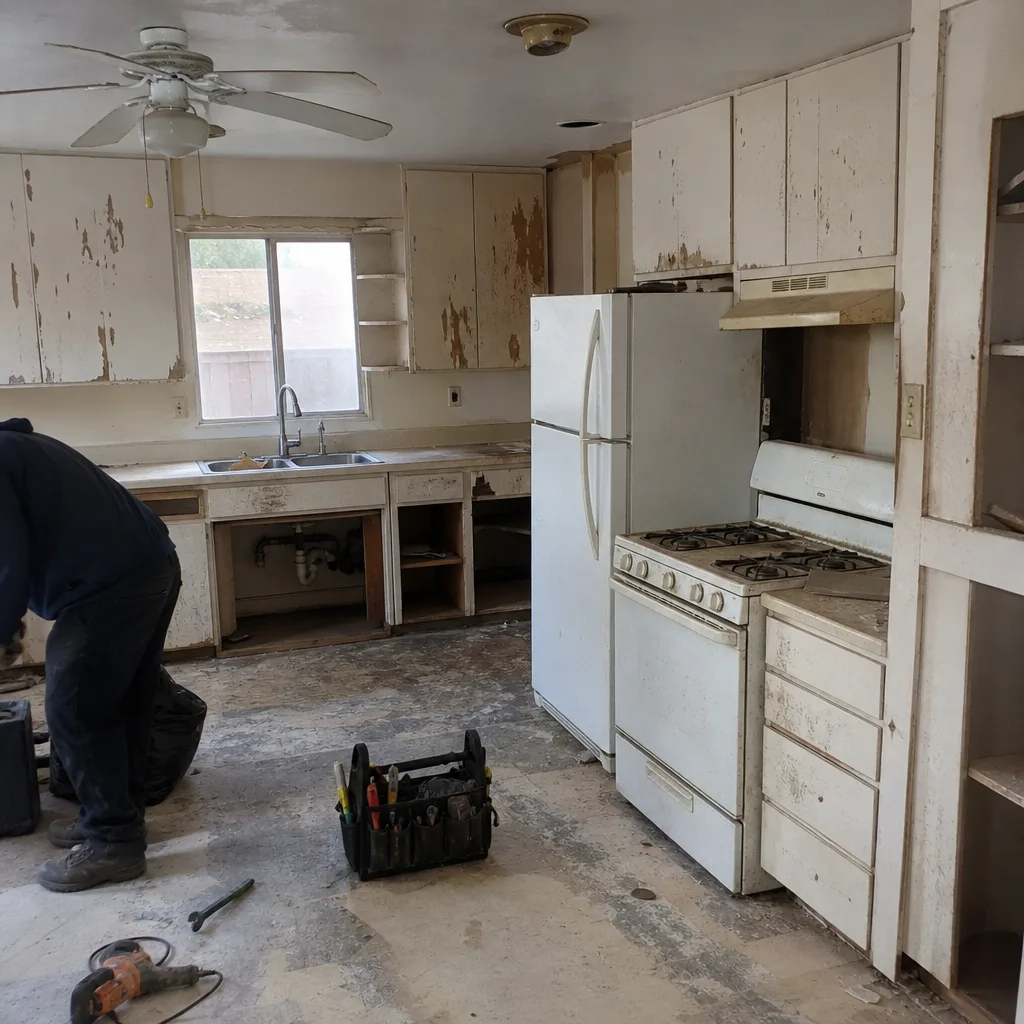 Before
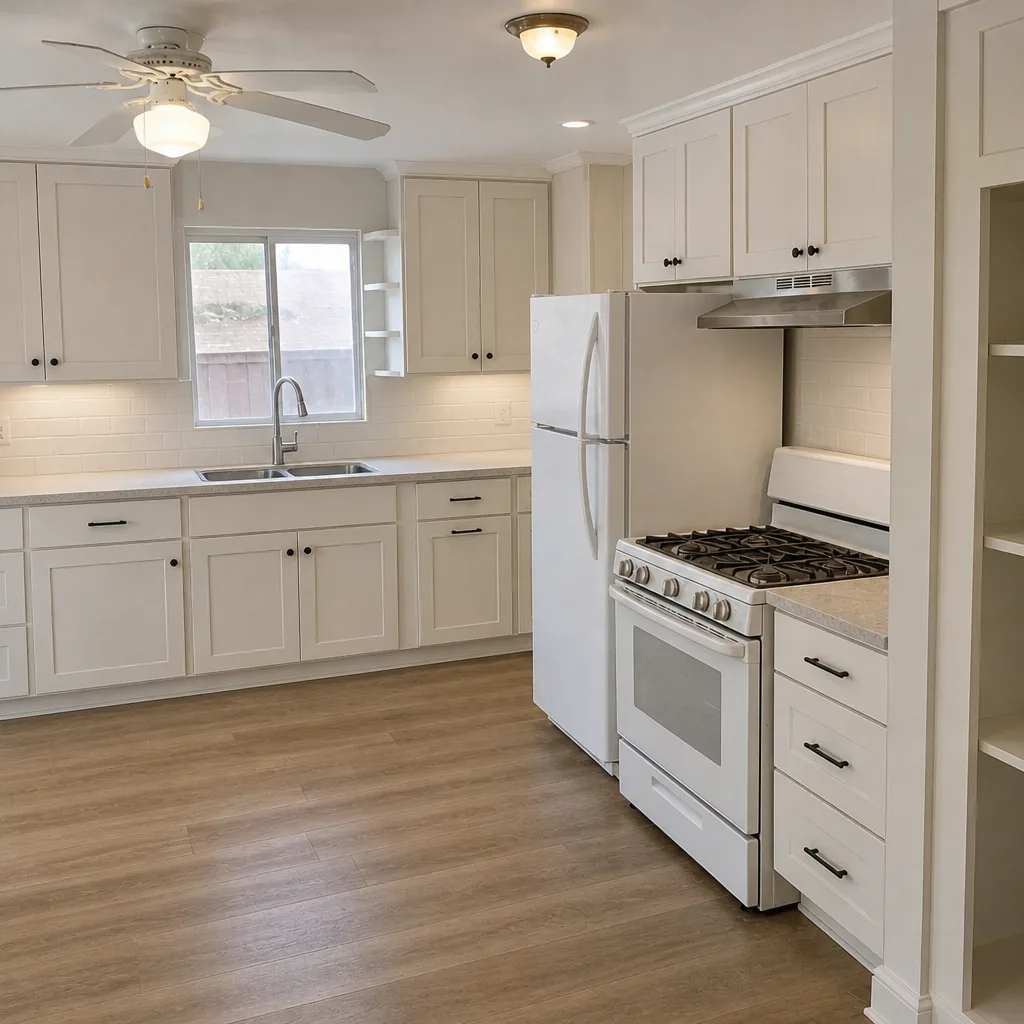 After
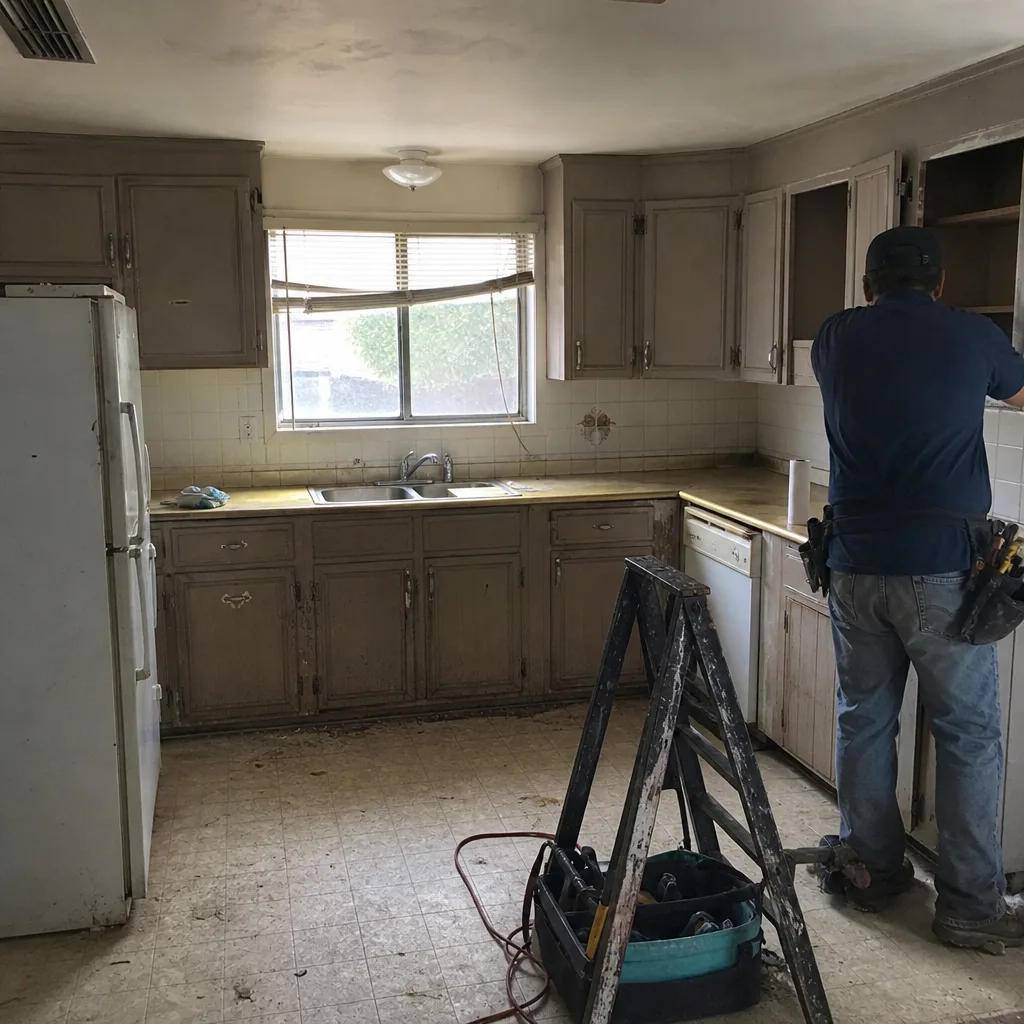 Before
 After
 Before
 After