Last updated November 17, 2026




Free written scope consultation - allowances, timeline, and change-order rules on paper before a single trade is scheduled
How Long Does General Contractor Take? Timelines and What to Expect
In Boulder City, a building permit for a structural remodel can take 3 – 6 weeks before a single tool comes out. That means a contractor who quotes you a “start Monday” timeline either doesn’t have that permit yet or plans to pull it after demolition – which is a code violation. We’ve watched homeowners get burned by both, and the frustration is always the same: the schedule was never real to begin with. This guide shows you how to read a contractor’s schedule before you sign, not after you’re three months into waiting. Boulder City projects follow a rhythm that’s specific to this town, and we’ll show you what that rhythm actually looks like.
Quick Answer
Most home remodel projects run 6 – 16 weeks from mobilization to final walkthrough, and the average full kitchen or bathroom remodel in Boulder City lands around 10 – 14 weeks. That number only holds when the schedule accounts for three chokepoints: permit issuance, material lead times, and inspection scheduling. A contractor who builds buffer for all three is quoting you a real timeline. One who doesn’t is quoting you a fantasy.
Styles & brands we work with
- Kitchen remodeling
- Bathroom remodeling
- Home additions & ADU
- Roofing
- Windows & doors
- Driveway & pavers
- Fence
Table of Contents
- Boulder City Permit Timelines by Project Type
- How to Read a Contractor’s Schedule Before You Sign
- Current Material Lead Times That Blow Timelines
- What a Realistic Contingency Buffer Looks Like
- How the Garrison Standard Locks Scope and Schedule
- Phase-by-Phase Breakdown of a Typical Remodel
- Red Flags in a Timeline That Guarantee Delays
- When to Call a Professional
Boulder City Permit Timelines by Project Type
Boulder City runs its own building department, and the review timeline here reflects a smaller staff and a more deliberate review process than you’ll find in Clark County’s larger municipalities. That’s not a knock – it’s just how a town of roughly 16,000 people operates. The practical upshot is that permit timelines here break down sharply by project type, and knowing which bucket your project falls into is the first step to reading an honest schedule.
Here’s what we see, project type by project type:
- Cosmetic work (paint, flooring, cabinet refacing, fixtures): Typically no permit required, but check first. Cosmetic electrical work – swapping a fixture, replacing a switch – can still need a permit depending on scope. Review is often same-day to 1 week when a permit is pulled.
- Structural work (wall removal, beam installation, foundation repair, additions): 3 – 6 weeks for permit issuance, sometimes longer if a structural engineer’s letter is required. Add another week if the plan check comes back with corrections.
- MEP work (mechanical, electrical, plumbing): Panel upgrades, new rough-in for a bathroom, HVAC replacement, or gas line work typically review in 1 – 3 weeks. Standalone electrical panel swaps in Boulder City usually move faster than a full mechanical permit.
- Full kitchen or whole-home remodels: Expect to stack permits. A full kitchen might pull electrical, plumbing, and mechanical together – each gets its own review, but the town often processes them in parallel. Budget 3 – 5 weeks for the combined permit package.
A permit for a structural remodel in Boulder City taking 3 – 6 weeks isn’t an anomaly. It’s the baseline. Any contractor who tells you otherwise either has a pull date already lined up or isn’t being straight with you. When we write a schedule for a general contractor project in Boulder City, the permit window is the first line item, not an afterthought.
One more Boulder City-specific note: the historic district downtown has its own exterior review overlay. If your project touches the facade of a home in the older core of town, add 2 – 4 weeks for historic review. That’s a detail that surprises a lot of homeowners who grew up here and never dealt with it before.
How to Read a Contractor’s Schedule Before You Sign
A schedule you can’t read is a schedule you can’t hold anyone to. Before you sign anything, look for three critical-path items. If any one of them is missing from the written schedule, a delay is already baked in.
- Permit pull date on the calendar. Not “permit pending” or “permits in process” – a specific date the application was filed and a projected issuance date. If the contractor hasn’t filed yet, the clock hasn’t started. Ask for the application number.
- Material order dates tied to specific line items. Every cabinet, window, door, and specialty fixture should have an order-by date. “Materials will be ordered after demo” is how a 10-week project becomes 20 weeks. The order should be placed before demo, ideally before permit issuance for long-lead items.
- Inspection milestones with named responsibility. Rough-in inspection, framing inspection, final inspection – each should have a scheduled window and a named party responsible for calling it in. Vague “inspections as needed” language means nobody owns it.
We call these the three chokepoints, and they’re predictable. A competent contractor knows the Boulder City building department’s review pace, knows the current lead time on KraftMaid cabinetry or a PGT window package, and knows when the electrical inspector is booked. If those three facts aren’t in the written schedule, ask why.
The other thing to check is float. Every real schedule has slack built in. If the schedule runs task-to-task with zero days between milestones – demo ends Tuesday, framing starts Wednesday, rough-in starts the following Monday – there’s no room for a single hiccup. And in remodeling, hiccups are guaranteed. A wall opens up and reveals galvanized plumbing that wasn’t on the drawing. A window arrives with a damaged frame. The float is what absorbs that without pushing your move-in date.
When we write the schedule for a project, it goes into the contract alongside the scope. The written price and the written schedule are the same document. That’s part of what Bradford Remodeling Boulder City means by squared away: you know what’s happening, when it’s happening, and who’s responsible for each phase before a tool comes out of the truck.
Current Material Lead Times That Blow Timelines
This is the single most common cause of schedule slippage in residential remodeling right now. Not labor – materials. A cabinet package ordered with a 4-week estimate that arrives in 9 weeks doesn’t just delay the install. It backs up every trade lined up behind it: countertops can’t template until cabinets are set, backsplash can’t go in until counters are down, plumbing trim can’t go on until the sink exists. One delayed cabinet order can push a six-week kitchen install by a full month.
Here’s what we’re seeing across the premium brands we work with:
- Cabinet packages (KraftMaid, Wellborn): 6 – 12 weeks standard, with some door styles and finishes running longer. Custom sizes add time on top. Order at contract signing, not at demo.
- Windows (PGT, CGI): 8 – 14 weeks for standard build, 16+ for custom sizes or specialty glass. Impact-rated windows, which matter in this climate for both wind and heat, run longer than standard.
- Specialty tile: 3 – 8 weeks if it’s a stock line, 10 – 16 weeks for imported or made-to-order. Tile from a Boulder City showroom’s floor display can turn around in a week. Tile from a European manufacturer can take four months.
- Electrical panels: 4 – 10 weeks for most residential panel swaps, with particular panel brands backordered more often than others. If your project needs a panel upgrade, this is a gate item – no rough-in can pass inspection without it.
- Exterior doors (Therma-Tru): 4 – 8 weeks, longer for custom finishes or sidelight configurations.
Two more Boulder City factors worth flagging. First, this town is remote enough that delivery scheduling matters. A truck drop that gets rescheduled by a day in Henderson can slip by a week here if the crew’s calendar is tight. Second, the desert heat in summer isn’t just uncomfortable for the crew – it affects material handling. Cabinets and hardwood acclimating in a 110-degree garage over a weekend can warp. We schedule those afternoon-in-city installs deliberately.
The principle is simple: any line item with a lead time longer than the phase that precedes it is a gate item. Cabinet orders gate countertops. Window orders gate stucco and interior trim. Panel orders gate electrical rough-in. Your contractor should be able to name the gate items on your project in the first meeting – if they can’t, that’s information you can use.
What a Realistic Contingency Buffer Looks Like
A schedule with zero float is a red flag. Full stop. We’ve never worked a project where nothing went sideways. The question isn’t whether something will slip; it’s whether the schedule has room to absorb it without touching the final walkthrough date.
Here’s what a realistic buffer looks like on a residential remodel:
- 10 – 15% time buffer on the total duration. A 12-week project should carry 1.5 – 2 weeks of float somewhere in the schedule. Not tacked on at the end as “weather days” – distributed across the phases where slippage is most likely.
- A named buffer on the permit phase. If permit issuance is projected at 3 weeks, the schedule should show issuance at 4 – 5 weeks with the phase-2 mobilization date set against the later number. Underestimate the permit, overdeliver.
- A buffer on the material arrival window, not the order window. The order date is fixed. The arrival date is not. Schedule the cabinet install two weeks after the earliest projected arrival, not on it.
- A contingency line in the budget, not just the schedule. Time and money slip together. A written price should show a contingency line item for known unknowns – the buried plumbing, the subfloor issue, the panel that needs replacing. If your contractor’s price is the price with zero contingency and no written change-order policy, every surprise becomes a negotiation at your kitchen table.
What you should not see is a buffer buried in the contractor’s pocket. The float should be visible in the schedule, so you can see where it is and how it’s being used. When the schedule is written down, and the scope is written down, and the price is written down, there’s no room for the mid-project conversation where the contractor “needs a few extra weeks and a few extra thousand.”
This is the point where the schedule and the guarantee have to sit together. A written schedule without a written guarantee is half a commitment. Every Bradford Remodeling Boulder City project carries the 365-Day Done Right Promise: if the work fails within a year of completion, we come back and correct it at no charge. The guarantee is in the contract from day one, right next to the schedule. That’s The Garrison Standard, and it’s what separates a written commitment from a verbal one.
How the Garrison Standard Locks Scope and Schedule
The most common cause of timeline disputes isn’t material delays or permit problems. It’s scope creep – the slow expansion of what “we agreed on” to include things that were never in the original contract. The homeowner decides to add a pantry mid-install. The contractor frames the wall and calls it a small change. Two weeks later, the flooring order is short and the countertop template date has moved twice. Nobody planned for any of it, and now everybody’s frustrated.
The Garrison Standard approach eliminates that by locking three things in writing before mobilization:
- The scope. Every line item – down to the KraftMaid door style, the Kohler fixture model, the Therma-Tru exterior door – is written into the contract. Anything not on that list is a change order with a written price and a written schedule impact, in the homeowner’s hand before any work on it begins.
- The schedule. Phase dates, gate items, buffer placement, and inspection milestones – all written into the contract alongside the scope. When the schedule is a document you can read, it’s a document you can hold a contractor to.
- The price. A written price before any work starts. Not a range, not an estimate to be finalized at the door – a number with line items. If the scope doesn’t change, the price doesn’t change. That’s non-negotiable.
In Boulder City, this discipline matters more than it does in a bigger market, because small projects here can run into tight trade availability. One delayed cabinet in Henderson can be absorbed by a bigger market. In Boulder City, one trade’s schedule slip can cascade across three phases. Locked scope and schedule mean the contractor can plan trade sequencing confidently and the homeowner knows what’s coming and when.
The other thing The Garrison Standard does is eliminate the “trust us” conversation. Where most remodelers ask you to trust them, the model here is to give you the trust in writing. The Garrison Code – the framework that governs how every Bradford location operates – puts it in terms a homeowner can verify: written price, written scope, written schedule, written guarantee, background-checked and uniformed technicians on every job. When you’re reading a kitchen remodel in Boulder City contract, that means every item is on the page, not in the contractor’s head.
Phase-by-Phase Breakdown of a Typical Remodel
Here’s the phase timeline for a full kitchen or bathroom remodel in Boulder City, from contract signing to final walkthrough. Numbers assume a typical scope – no major structural surprises, no custom cabinetry, standard brand-name materials from a documented roster. Your project will vary, but the shape of it shouldn’t.
- Pre-construction (weeks 1 – 4): Contract signing, permit application filed, material orders placed (cabinets, windows, specialty items, electrical components on gate items), trade scheduling confirmed. Demo does not start until permit is issued.
- Permit issuance (weeks 3 – 6): Building department review, plan check corrections if any, permit in hand. Cosmetic projects skip this. Structural projects may run to week 6.
- Demo and rough-in (weeks 6 – 8): Site protection, demo of existing surfaces, framing if structural work is involved, mechanical/electrical/plumbing rough-in, rough-in inspection. This is where buried surprises emerge – the galvanized plumbing, the undersized joist, the missing subfloor under the old tile.
- Material arrival and dry-in (weeks 8 – 12): Cabinets arrive and get set, windows get installed if in scope, substrate and drywall go in, waterproofing is sprayed or set. This phase often absorbs the longest lead time material.
- Countertops, tile, and trim (weeks 12 – 14): Countertop template after cabinets are set (custom surfaces like Cambria and Caesarstone run 2 – 3 weeks between template and install), tile work, plumbing trim, electrical fixtures, paint, trim carpentry.
- Final walkthrough and close (week 14 – 16): Final inspection, punch list walkthrough with the homeowner, clean site handoff, signed guarantee in the homeowner’s hand, final documentation copy delivered.
A whole-home remodel runs longer – 16 – 24 weeks is more common – because every trade stacks across every room, and the permit package is bigger. If you’re looking at a full top-to-bottom, budget 20 weeks and be pleasantly surprised if it lands at 18. The same principle applies to a bathroom remodeling project in Boulder City: the smaller footprint doesn’t always mean a shorter schedule, because the rough-in, tile, and fixture sequencing can be just as tight.
One Boulder City timing note: summer months make outdoor-adjacent work – patio doors, exterior siding, window installs that require stucco repair – slower to schedule, because crews work early mornings to beat the heat. A Therma-Tru door install that takes a day in March can stretch to two in July. That’s not inefficiency – that’s the trade working safely in this climate. A realistic schedule accounts for it.
Red Flags in a Timeline That Guarantee Delays
We’ve read enough competitor schedules to know what a bad one looks like. Here’s what to walk away from:
- “Permits are handled by the homeowner.” Unless a homeowner specifically asks to pull their own, this is a red flag. The contractor should own the permit pull, the timeline, and the inspection scheduling – not hand it back to you.
- “We’ll start Monday” with no permit number. A start date without a permit in hand means either an unpermitted start (a code violation) or an aggressive timeline that’s already wrong.
- Material orders placed at demo. If the contractor isn’t ordering cabinets, windows, and specialty items until after demo, the material lead time will eat your schedule. Cabinets ordered in week 7 arrive in week 15. The rest of the project waits.
- No contingency in the budget. A written price with no contingency line and no written change-order policy is a price with a trapdoor. The trapdoor opens the first time a wall is opened up.
- No written schedule at all. If the timeline is verbal, the timeline is fiction. Ask for it in writing. A contractor who can’t produce one in the first meeting has never built one.
- No trade commitments attached to the schedule. A schedule that says “tile in week 9” without a tile setter confirmed for week 9 is a wish, not a plan. Trade sequencing is the contractor’s job, not yours.
- “Guaranteed on time or we’ll make it up to you.” Any guarantee without specific terms – what’s covered, how it’s measured, what happens if it fails – is a marketing line, not a commitment. The 365-Day Done Right Promise is specific on purpose: if the work fails within a year, we come back and correct it at no charge. No asterisk.
Common Mistakes to Avoid
- Signing before the permit’s been filed. In Boulder City, that’s the number-one cause of a delayed start. The permit application date is the real kickoff, not the contract signature. Ask for the application number before you write the deposit check.
- Ordering materials after demo starts. Cabinets and windows ordered at demo turn a 10-week kitchen into a 16-week kitchen. Order gate items at contract signing, no exceptions.
- Choosing the contractor who says the shortest number. A 6-week quote against a 12-week reality isn’t a better bid. It’s a worse truth. Read the schedule before you read the price.
- Not checking the historic overlay. If the home is in the historic district, the exterior review adds weeks. Homeowners who’ve lived here their whole lives still get caught by this one.
- Accepting a verbal guarantee. “We’ll take care of it” has no meaning without a written scope, a written timeline, and a written term. In writing or it doesn’t exist.
- Skipping the contingency line. A written price with zero contingency and no written change-order policy isn’t a fixed price. It’s an opening bid.
- Trusting the trade calendar to hold. In Boulder City, one electrician’s schedule slip can push three phases. Trade commitments should be confirmed in writing, not assumed.
See the difference
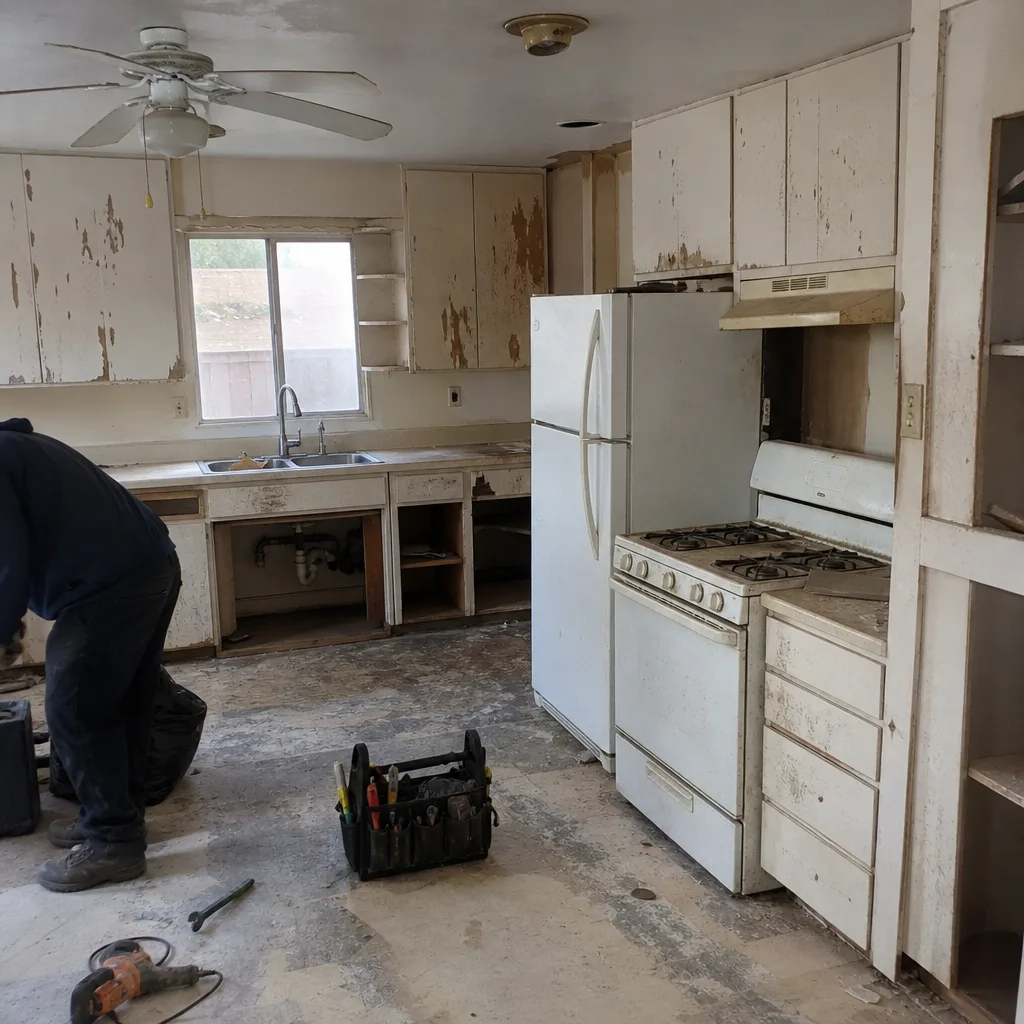 Before
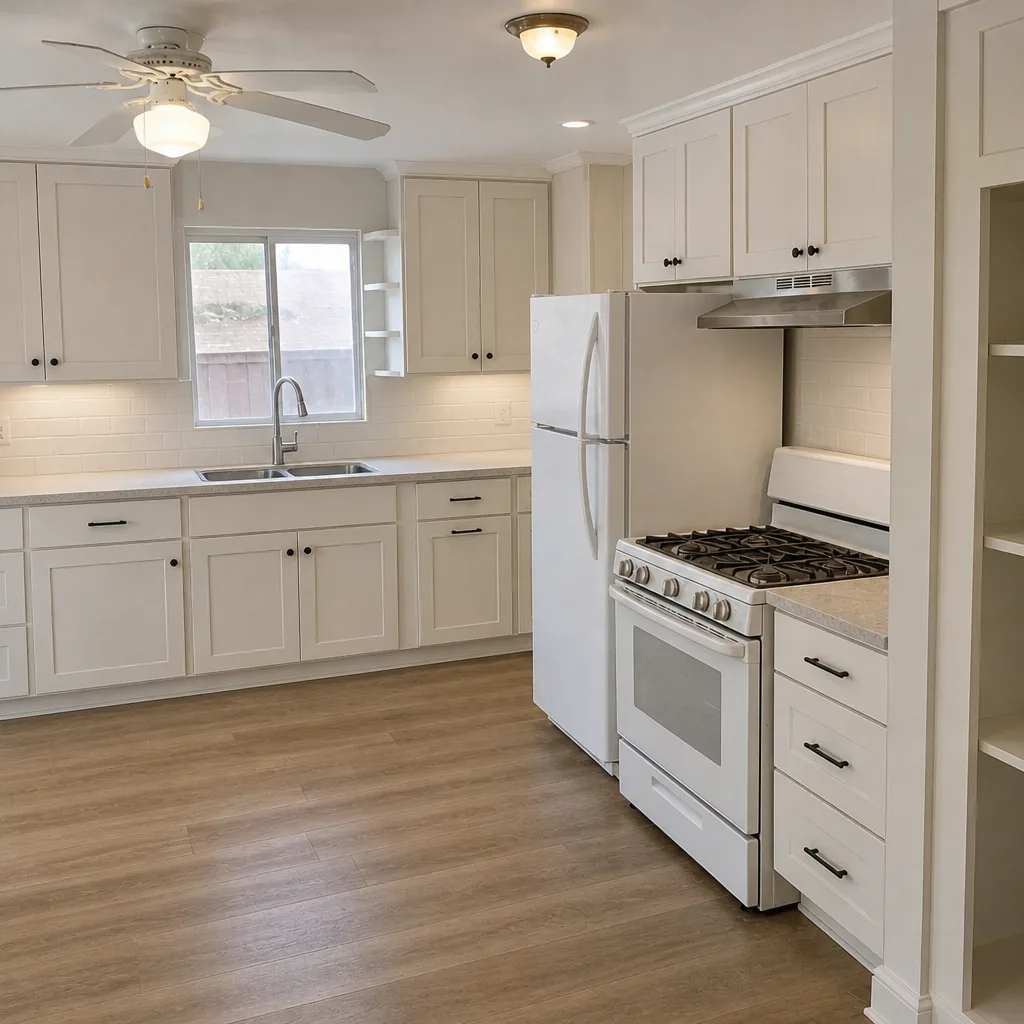 After
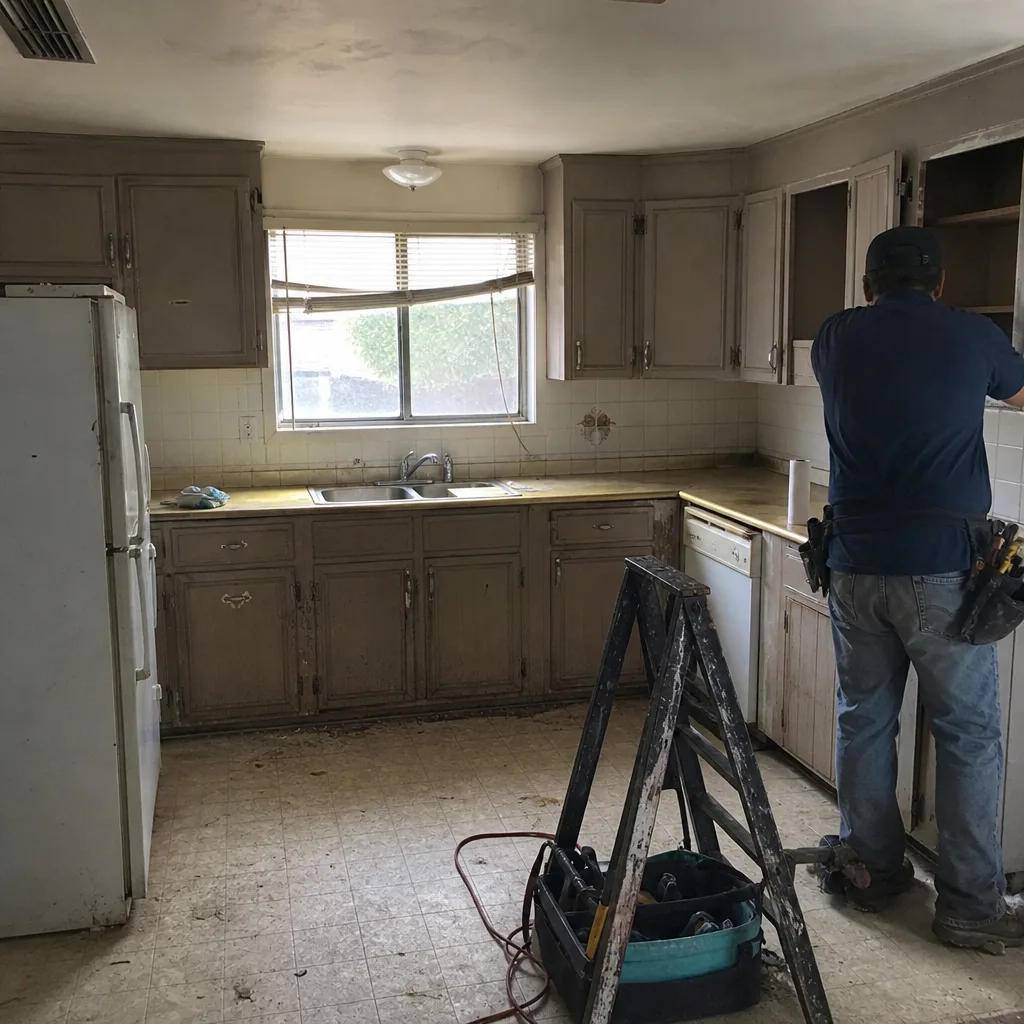 Before
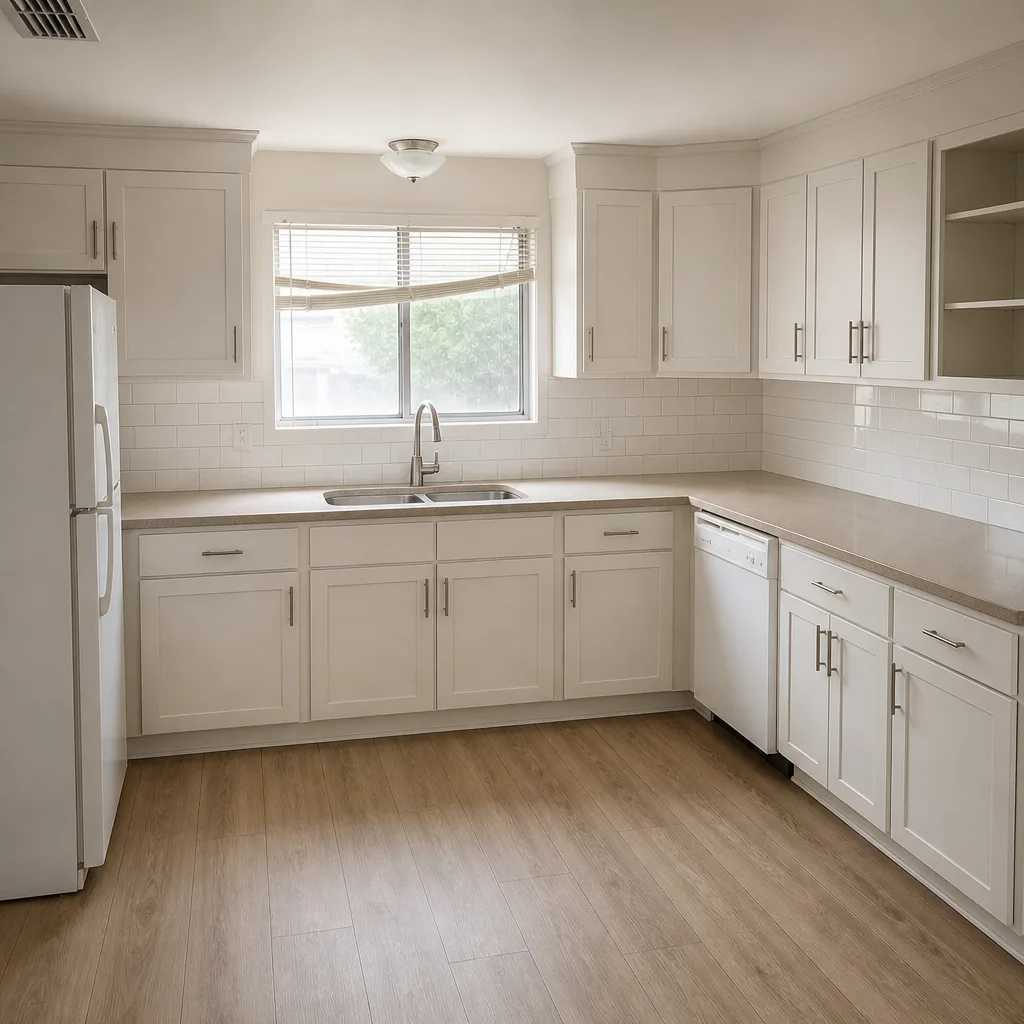 After
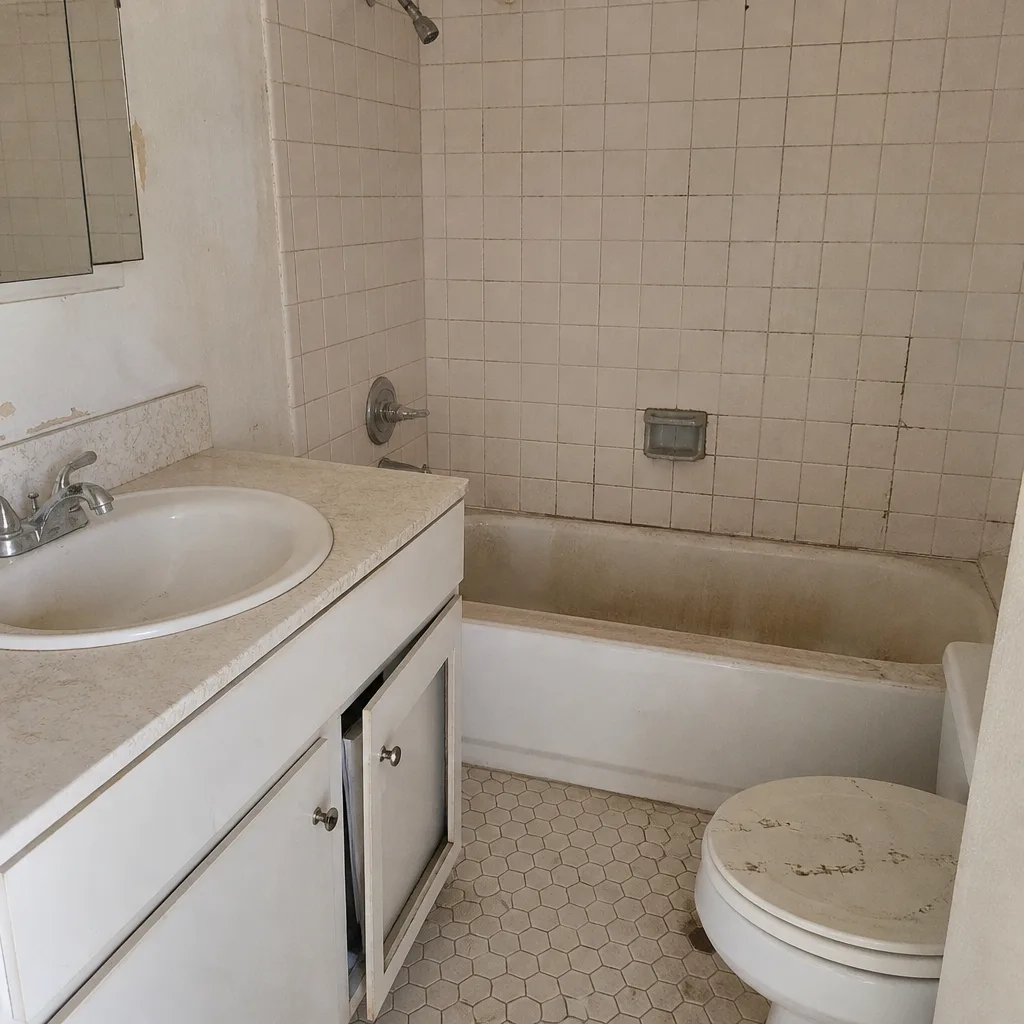 Before
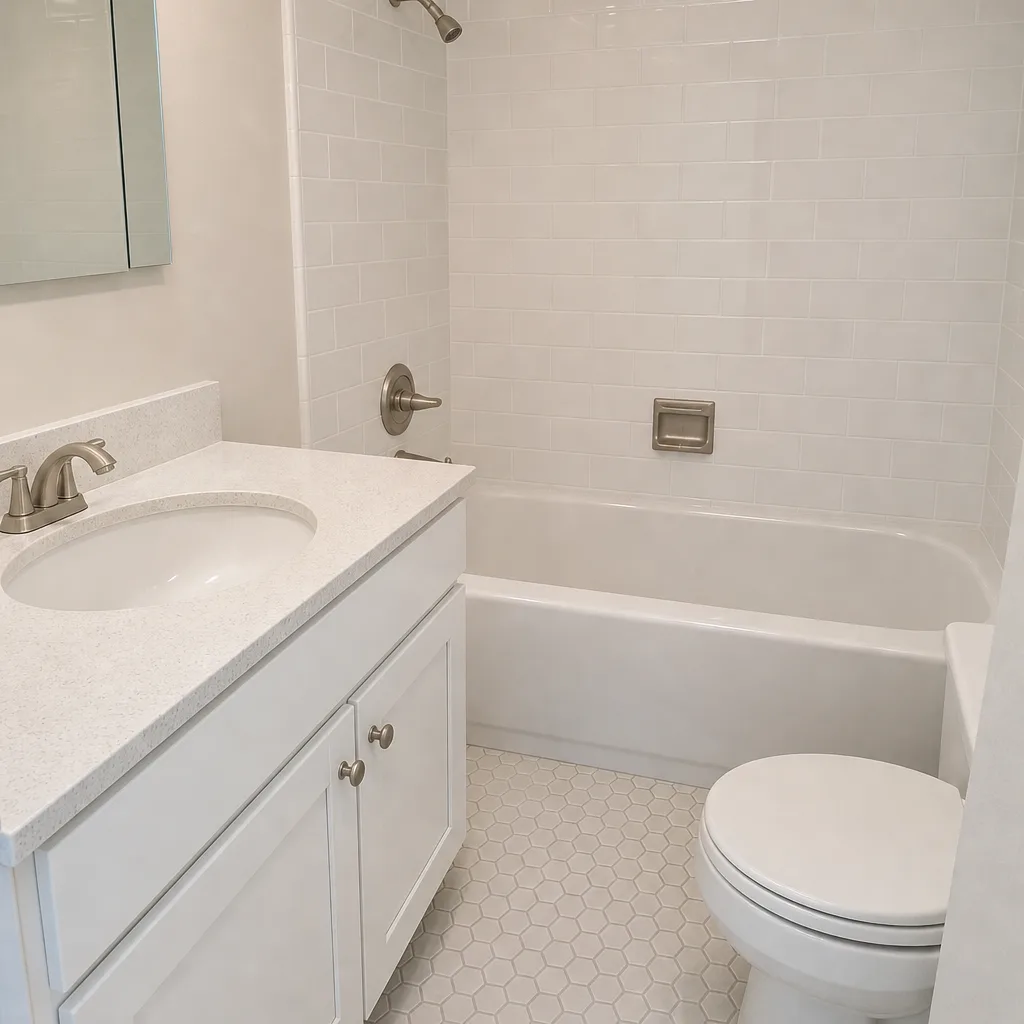 After
When to Call a Professional
Some projects are genuinely DIY-friendly in Boulder City: cosmetic paint, refinishing existing cabinetry, swapping a light fixture (where the wiring is verified safe), building a garden shed (within permit limits). But the moment your project touches structure, mechanical, electrical, plumbing, or gas, or any project in the historic district that changes the exterior, you’re in territory that needs a professional contractor and a pulled permit. Misjudging a structural wall, undersizing an electrical panel, or installing a window in the wrong order can cost more in remediation than the original job would have.
If you’re not sure which category your project falls into, that’s a good reason to call for a free estimate. Bradford Remodeling Boulder City offers written estimates in Boulder City with a written price before work starts, a written scope, and a written schedule. The call is free, and the answer will tell you whether you’re looking at a two-week cosmetic job or a four-month full remodel. Call (844) 797-9259 to schedule yours.
Frequently Asked Questions

A full home remodel in Boulder City typically runs 16 – 24 weeks from mobilization to final walkthrough, with 20 weeks as a reasonable working estimate for a whole-home scope. The permit package alone can take 3 – 5 weeks, and material lead times on cabinets and windows sit on the critical path. Smaller whole-home projects – one floor, or a kitchen-plus-bath combo – often land at 14 – 18 weeks. Call (844) 797-9259 for an exact estimate against your specific scope.
A kitchen remodel in Boulder City usually takes 10 – 14 weeks end to end, with 12 weeks as a typical working number. The permit window (3 – 5 weeks for the mechanical, electrical, and plumbing package) and the cabinet lead time (6 – 12 weeks for KraftMaid or Wellborn) drive most of the schedule. Cosmetic refreshes that don’t pull permits can run 3 – 5 weeks. Call (844) 797-9259 to get a written schedule against your kitchen’s actual scope.
No, and be wary of any contractor who says they can. A Boulder City permit for structural work takes 3 – 6 weeks, and starting demo before issuance is a code violation. A reputable contractor builds that permit window into the schedule and puts the start date on the calendar against the projected permit issuance, not against the contract signing. Call (844) 797-9259 to see what your project’s actual lead time looks like.
It shouldn’t, and at Bradford Remodeling Boulder City it doesn’t when the scope stays the same. Your written price is a line-item price, and the scope is locked in the contract before mobilization. Mid-project changes get a written change-order price and schedule impact before any work on them begins – no surprise invoices, no negotiating at the door. The Garrison Standard puts that in writing, every project. Call (844) 797-9259 for a written estimate in Boulder City.
Yes. Every Bradford Remodeling Boulder City project that requires a permit is pulled by the company, filed with the Boulder City building department before demo begins, and tracked through every inspection milestone. Homeowners who want to pull their own permits can, but they’re responsible for the timeline slip that follows, because permit and inspection scheduling becomes their job. Call (844) 797-9259 to talk through the permit path for your specific project.
The 365-Day Done Right Promise is a written one-year guarantee on every completed Bradford Remodeling Boulder City project. If the work fails within 365 days of completion – a leak, a failed joint, a piece of trim that doesn’t stay put, a finish that doesn’t hold – we come back and correct it at no charge. The guarantee is in writing at project close, in the homeowner’s hand. It’s part of The Garrison Standard, and it sits alongside the written price, written scope, and written schedule on every project. Call (844) 797-9259 for a free estimate.
The Bottom Line
A remodel timeline isn’t a promise of luck – it’s a plan that either accounts for the three chokepoints or doesn’t. Boulder City permits take 3 – 6 weeks for structural work. Cabinet lead times run 6 – 12 weeks. Inspection scheduling is a real constraint in a small-market building department. A contractor who builds buffer for all three, writes the schedule into the contract, and stands behind the work with a written guarantee is quoting you a real number. One who doesn’t is quoting you a fantasy. Read the schedule before you sign, and expect it in writing alongside the price and the scope.
Bradford Remodeling Boulder City works to The Garrison Standard on every project – written price, written scope, written schedule, and the 365-Day Done Right Promise. If you’re in Boulder City and ready to see what a squared-away schedule looks like for your project, call (844) 797-9259 to schedule your free estimate. Our technicians have up to 22 years of experience, and the call is answered by a live person, not a voicemail.
Written by the team at Bradford Remodeling Boulder City.