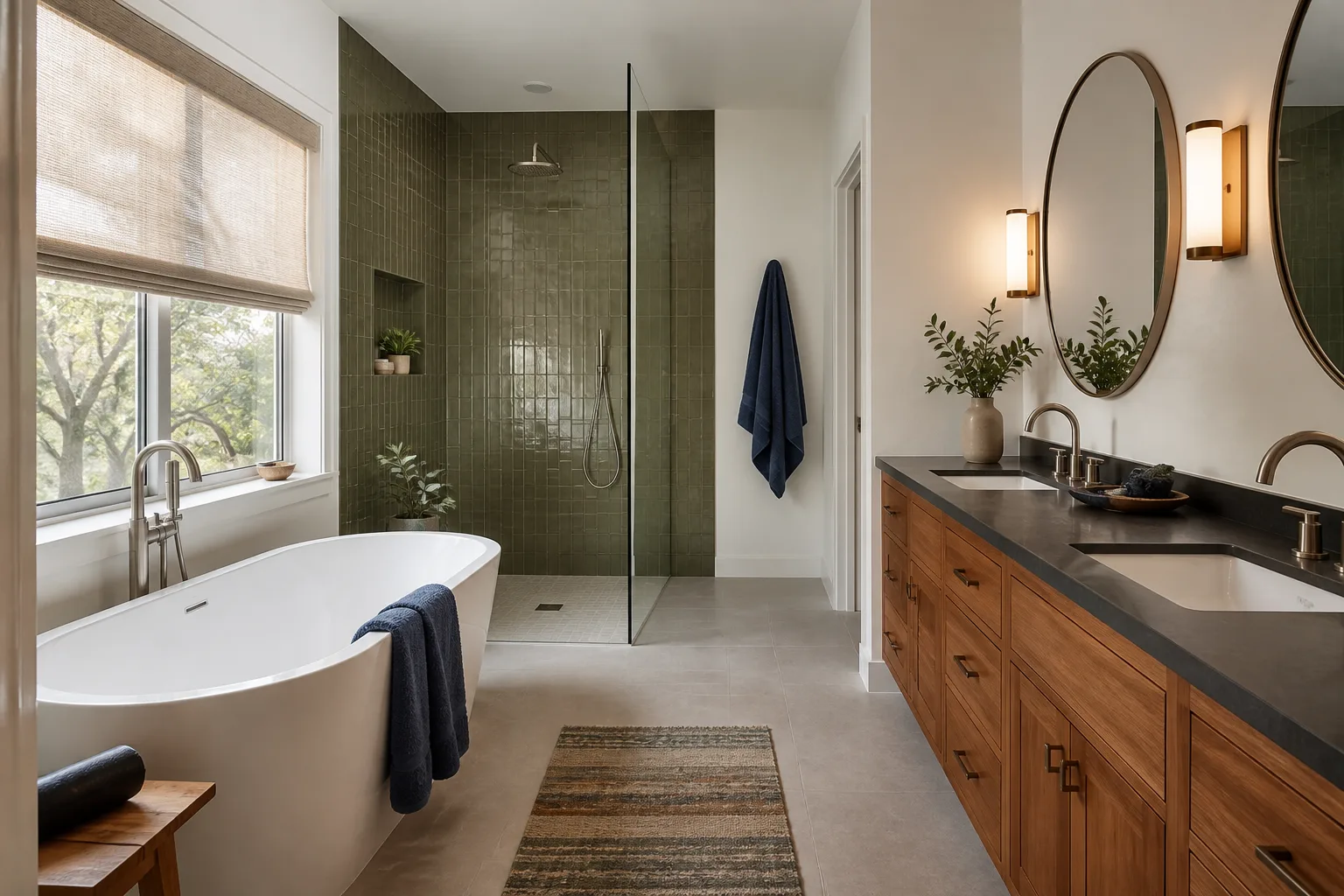
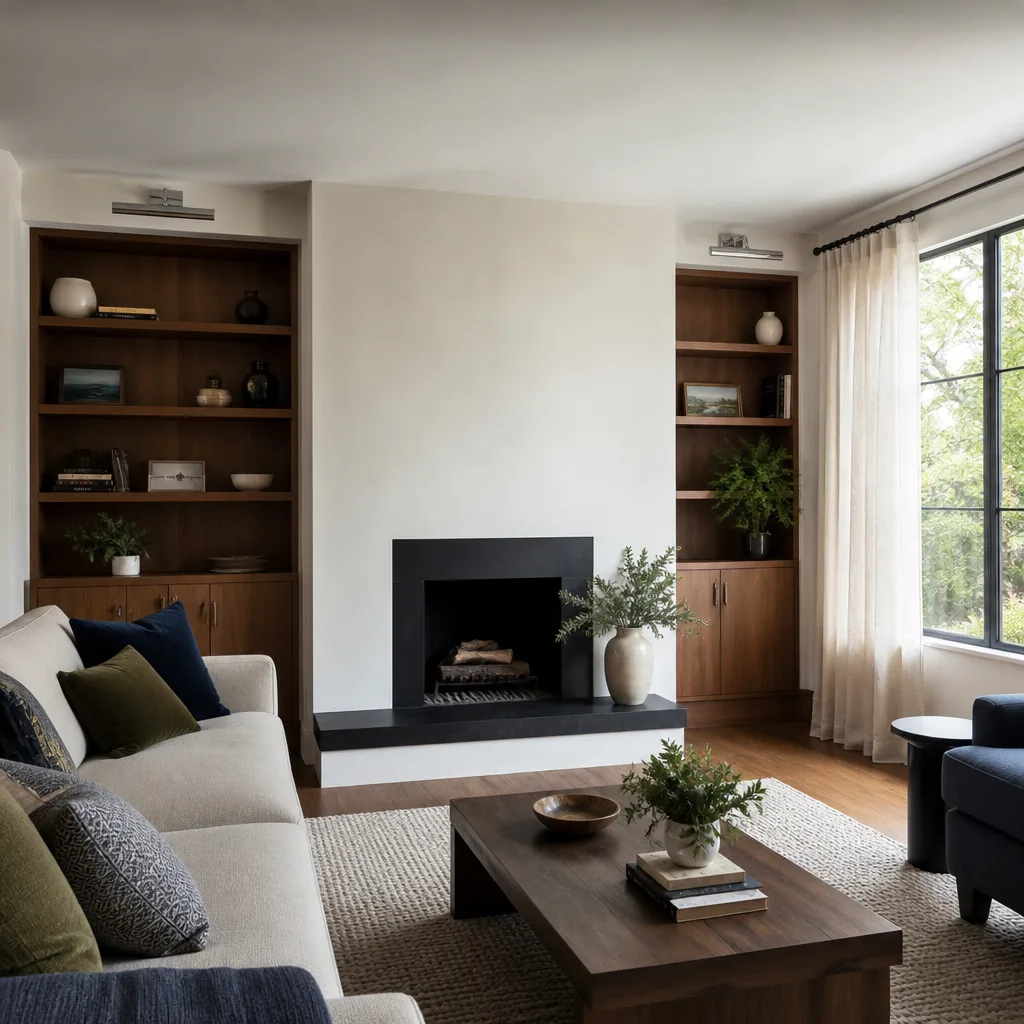
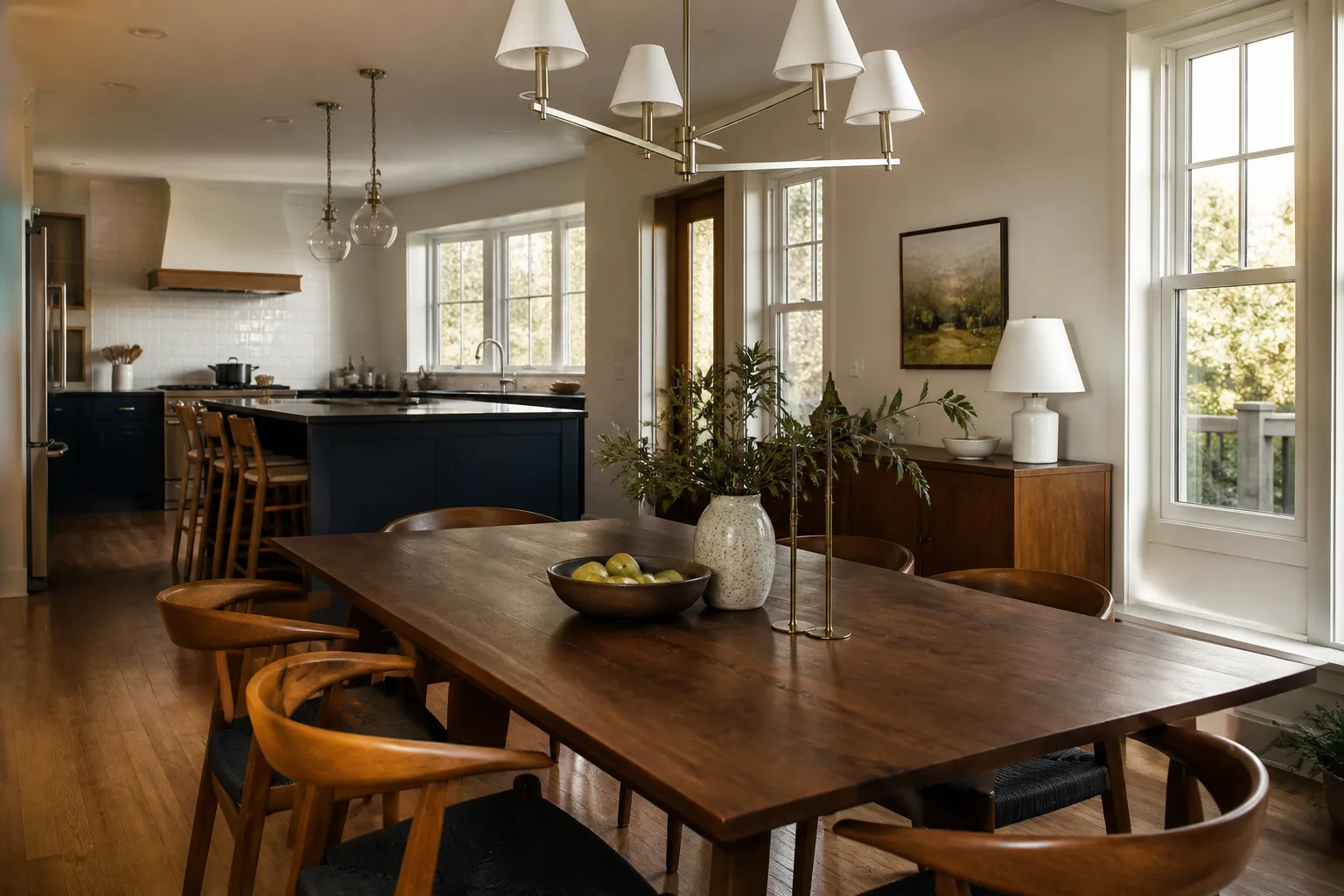
Free written scope consultation - allowances, timeline, and change-order rules on paper before a single trade is scheduled
IKO Home Additions & ADU: The Boulder City Owner’s Guide
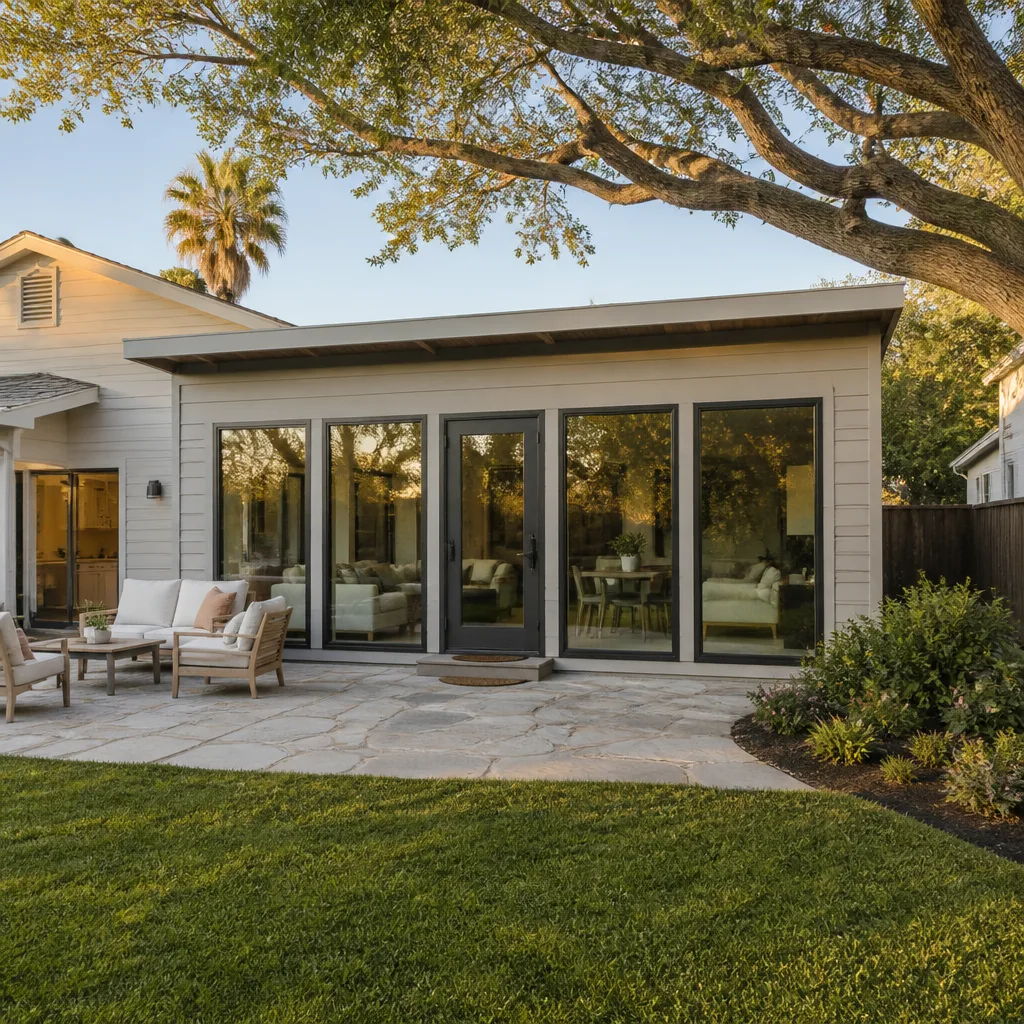
IKO is a roofing and waterproofing brand, not an additions manufacturer. So when Boulder City homeowners call us about an “IKO home addition,” what they almost always have is a low-slope roof or flat-roof section that was sealed with IKO roofing products, and now they want an addition or ADU built under or against it. A new home addition in Boulder City runs $45,000 – $130,000. An ADU runs $90,000 – $220,000, and garage conversions land between $30,000 – $80,000.
Owners usually find the problem in one of two ways. The IKO membrane over the addition junction starts to blister, or a ceiling stain shows up after a monsoon. If the failing piece is the membrane, flashing, or the tie-in where new construction meets the existing roof, that is the first thing to get right. This guide covers how we handle it. Bradford Remodeling Boulder City is an independent service provider and is not affiliated with IKO.
Which IKO Models This Applies To
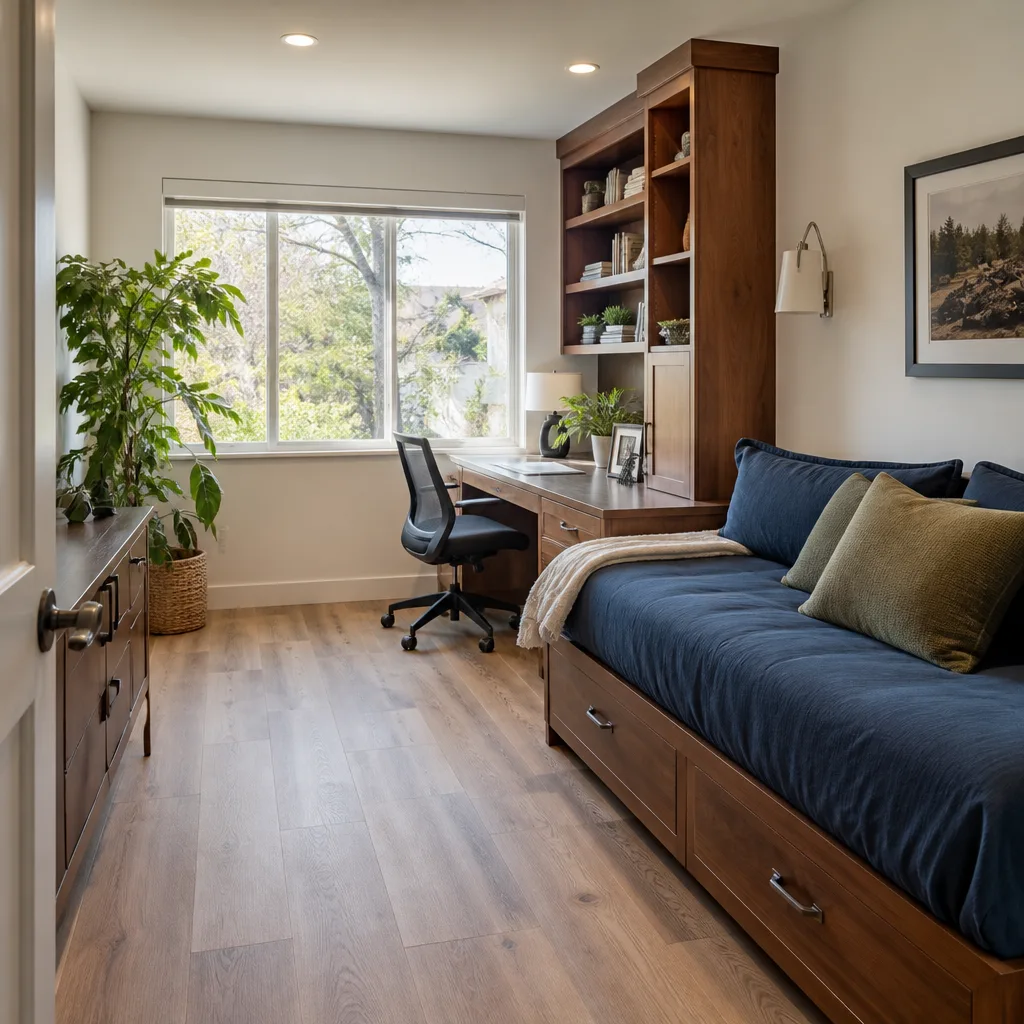
IKO’s low-slope line is the one that matters for additions and ADUs. On a typical Boulder City job, you’re looking at IKO’s self-adhered and torch-applied modified bitumen sheets, plus their flat-roof cap sheet products. Model names change by region and year, so identify the right piece by matching what’s on your roof rather than guessing.
Here’s how to check:
- Find the label or stamp. IKO marks rolls with a printed label inside the core and a factory stamp on the sheet edge. If the roll was cut, the core label is gone. Look for the stamp embossed into the cap sheet.
- Measure the sheet width. Standard granule-surfaced cap sheet runs about 36 inches wide. Matching that width matters, because a 39-inch sheet from another mill will not line up with your existing lap.
- Note the surface. Granulated vs. smooth changes the topcoat selection and how the tie-in gets sealed.
OEM vs. aftermarket for IKO: IKO’s own matching cap sheet is the safe bet when the existing roof is intact and you’re extending it. A quality aftermarket cap sheet with the same granule and thickness spec works fine on a new ADU roof. On a tie-in, match the existing IKO. Mismatched lap thickness is the number one cause of seam failures we see on additions in Boulder City.
Styles & brands we work with
- Kitchen remodeling
- Bathroom remodeling
- Home additions & ADU
- Roofing
- Windows & doors
- Driveway & pavers
- Fence
Signs Your IKO Home Additions & ADU Is Failing
These are the real symptoms we find on Boulder City additions and ADUs. Each one points to a different root cause.
- Blistering or bubbling on the membrane. Moisture trapped under the sheet during installation, or the sun cooking an under-insulated deck. Boulder City’s summer heat cycles cook low-slope roofs hard.
- Seam separation at the addition junction. The new addition settled differently than the original structure, and the reinforced lap has pulled. This is where most addition leaks start.
- Interior ceiling stains after an August monsoon. Water is finding the flashing at the roof-to-wall transition. Monsoon rain comes sideways here, which is why typical shingle-shedding detail won’t hold.
- Ponding water on the flat section. Insufficient slope or a clogged scupper. Standing water over an IKO cap sheet shortens its life noticeably.
- Granule loss and exposed bitumen near the cap sheet edge. The sun-facing edge is going. In Boulder City’s climate, a granule-surfaced cap sheet usually shows wear around the 12 – 15 year mark, faster on a low-slope area that never drains fully.
See the difference
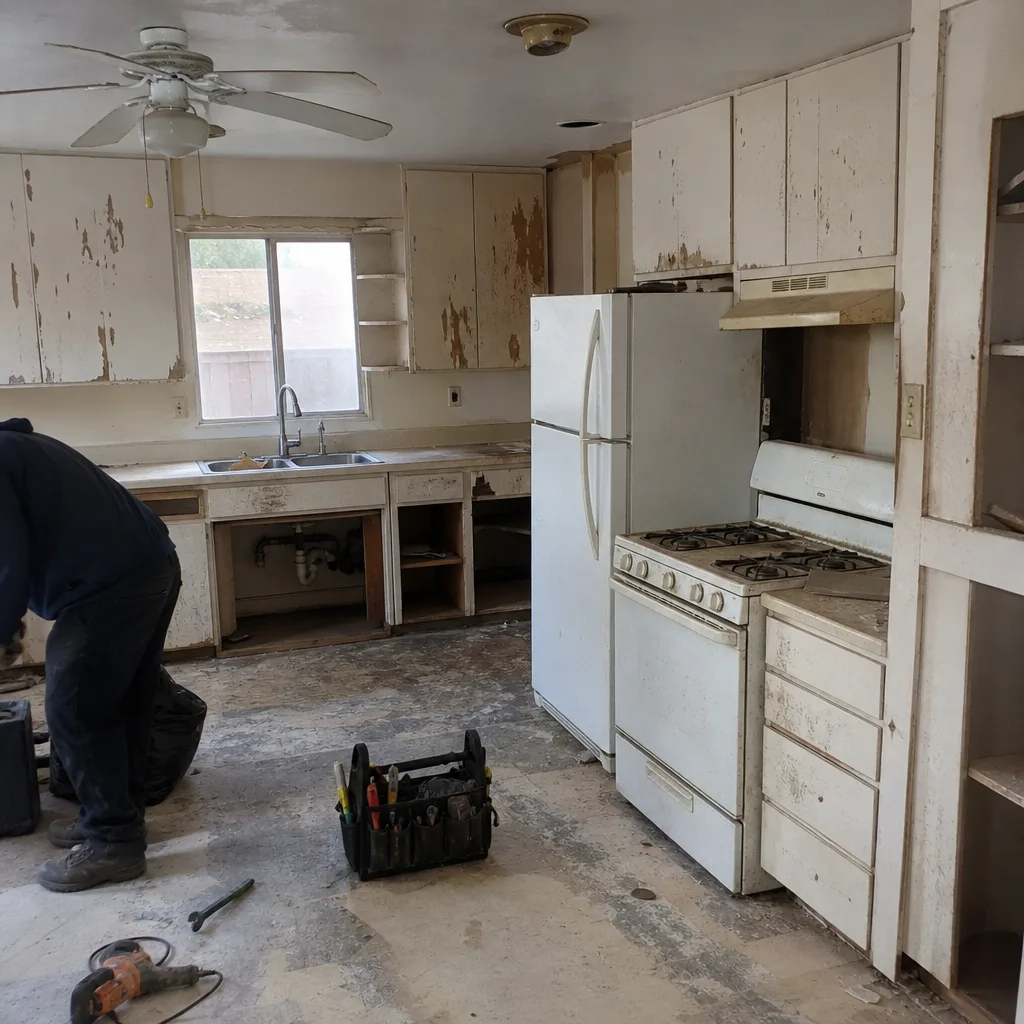 Before
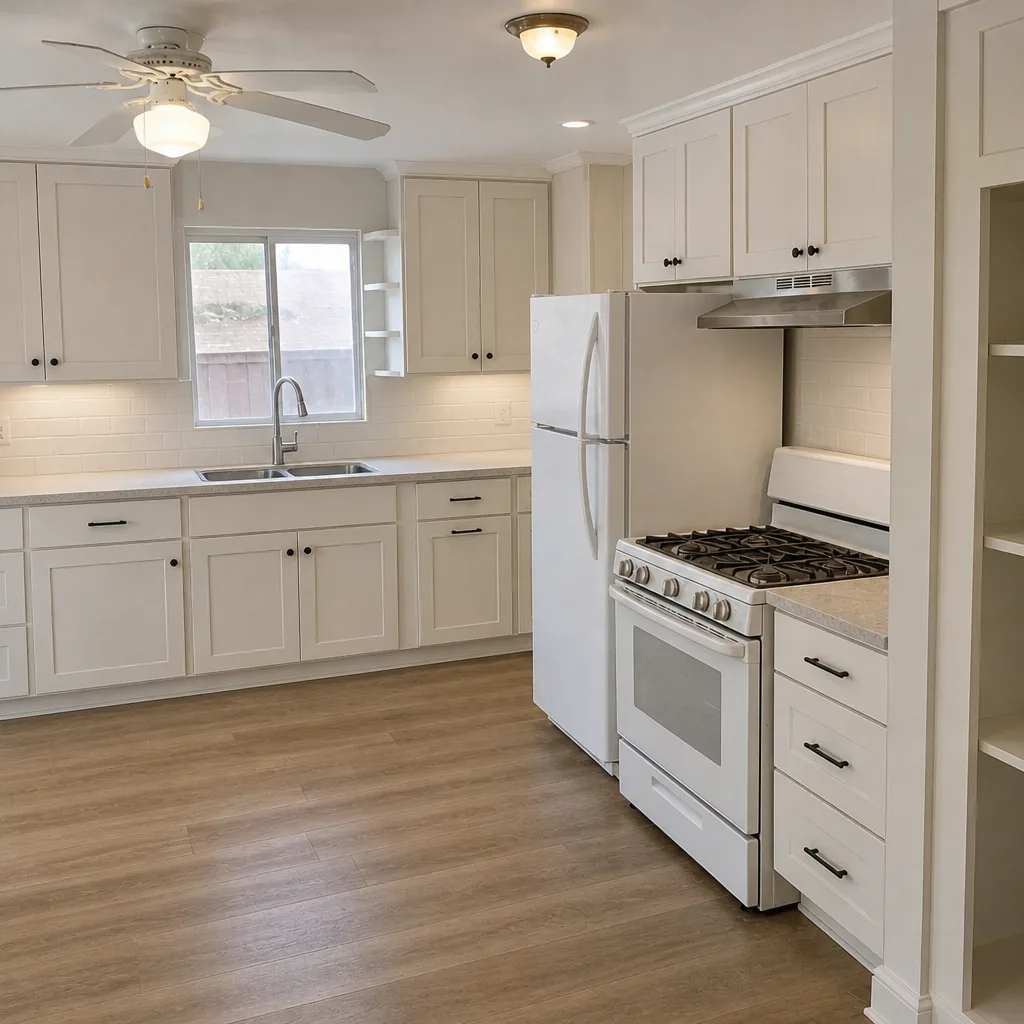 After
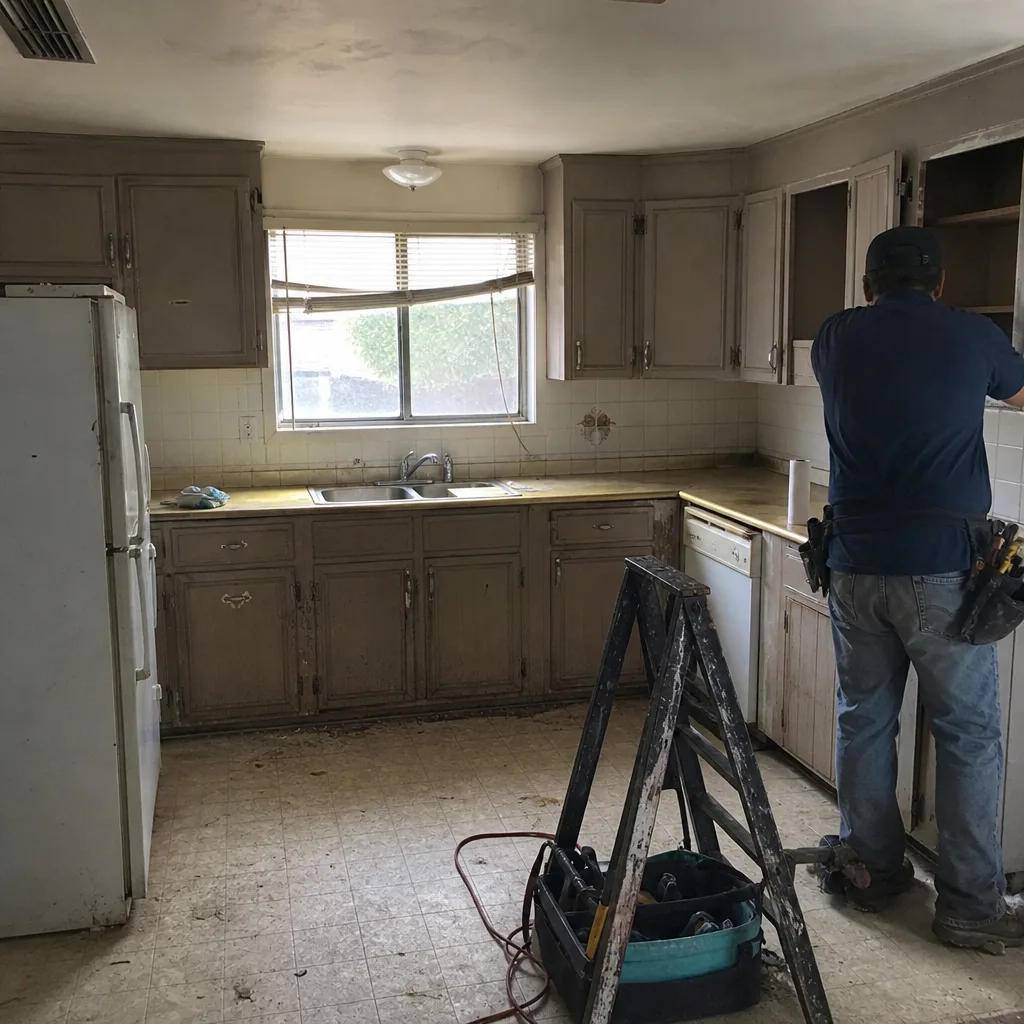 Before
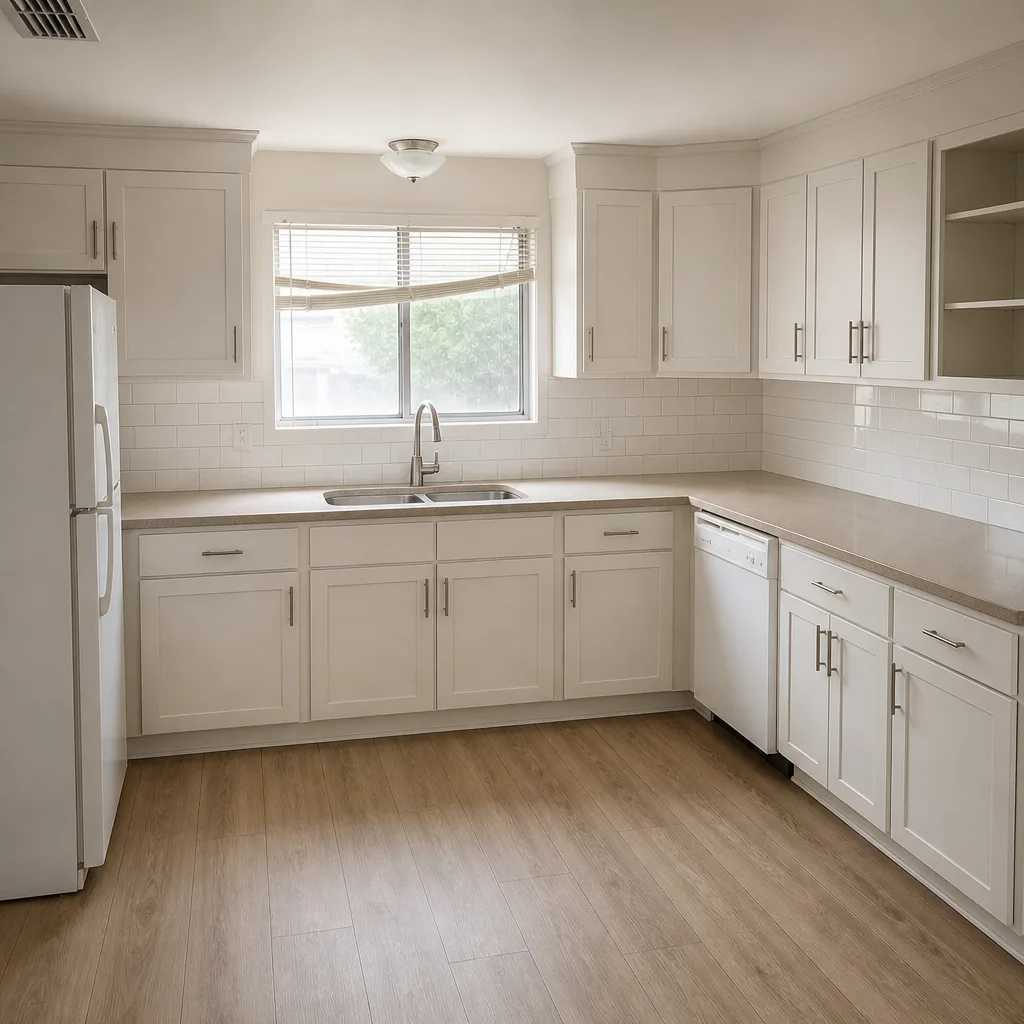 After
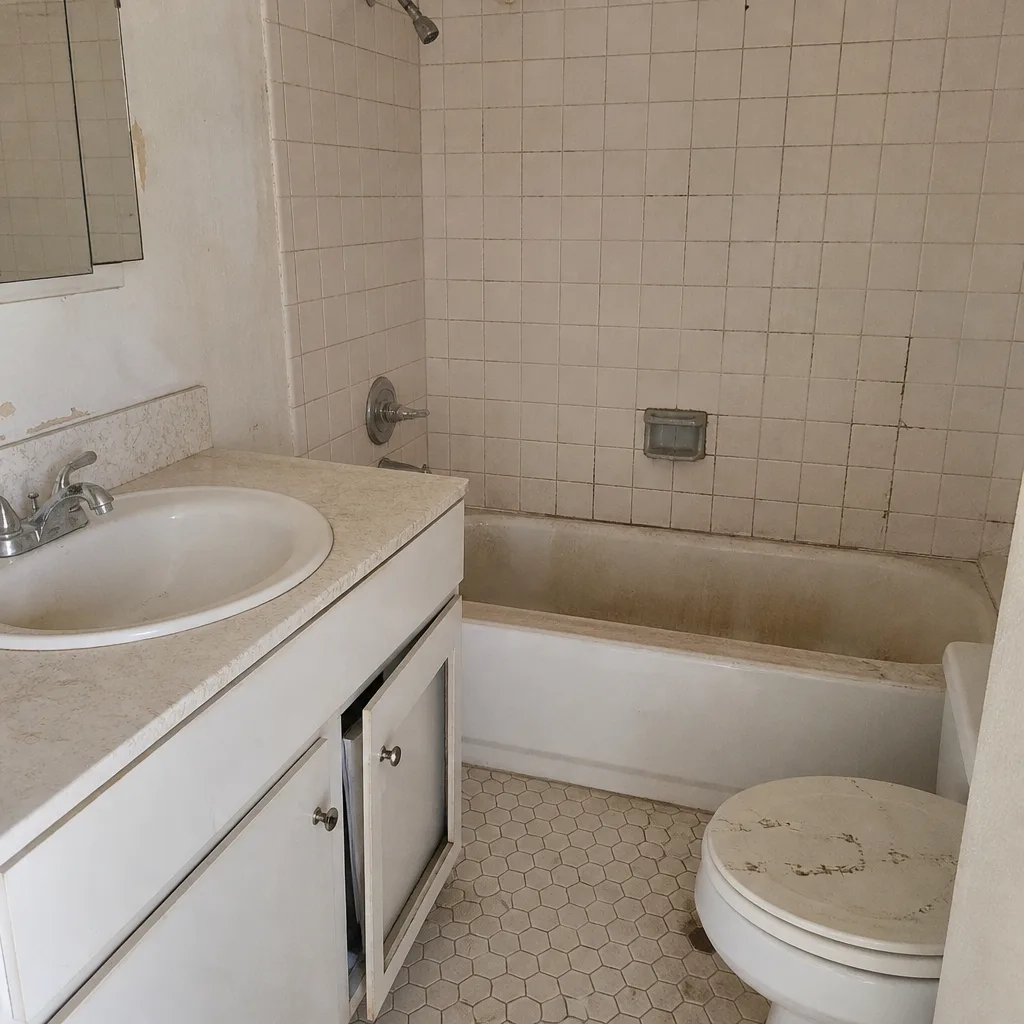 Before
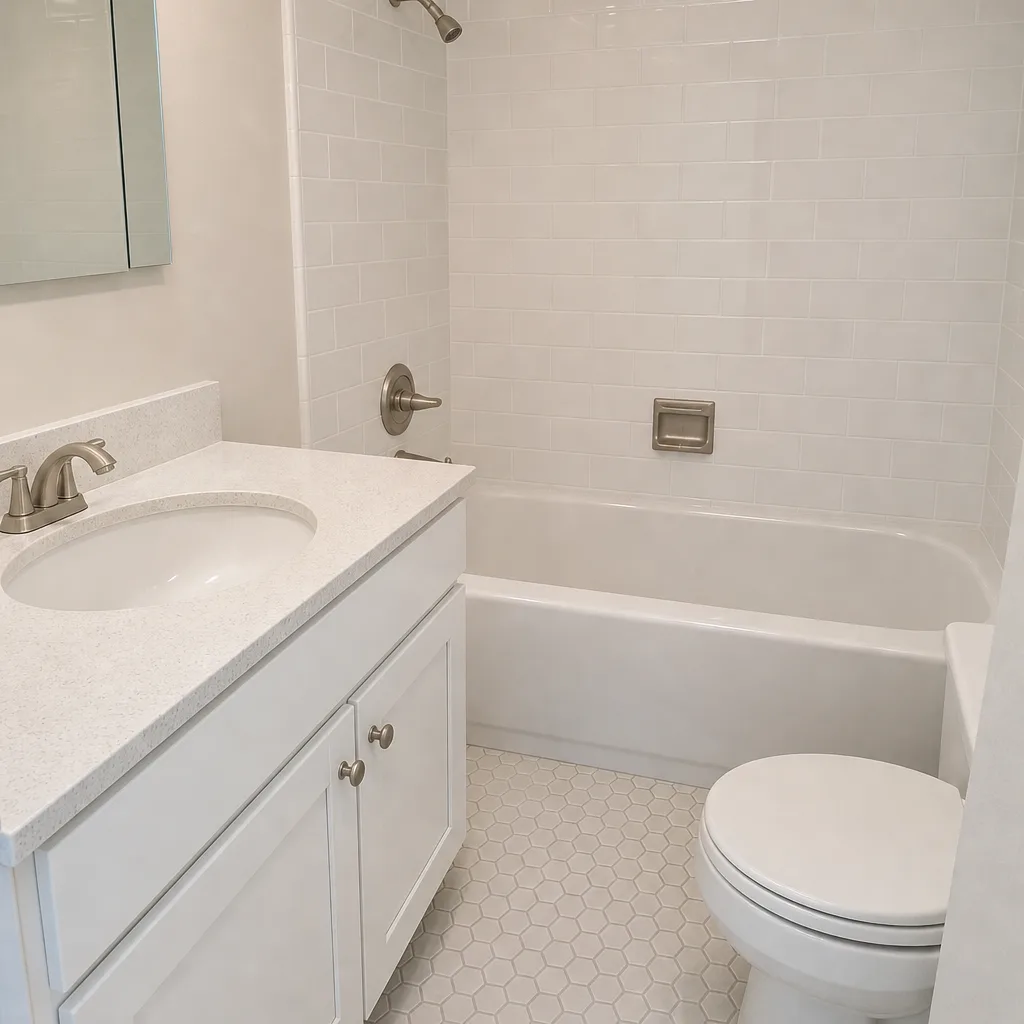 After
Replacement Cost & What’s Included
For a full home addition in Boulder City, plan on $45,000 – $130,000. An ADU runs $90,000 – $220,000. A garage conversion sits at $30,000 – $80,000. If the job is a membrane repair on an existing addition rather than new construction, that’s a smaller, separate scope and we’ll quote it in writing.
What drives the range:
- Size and footprint. A 200 sq ft addition and a 600 sq ft one are different jobs.
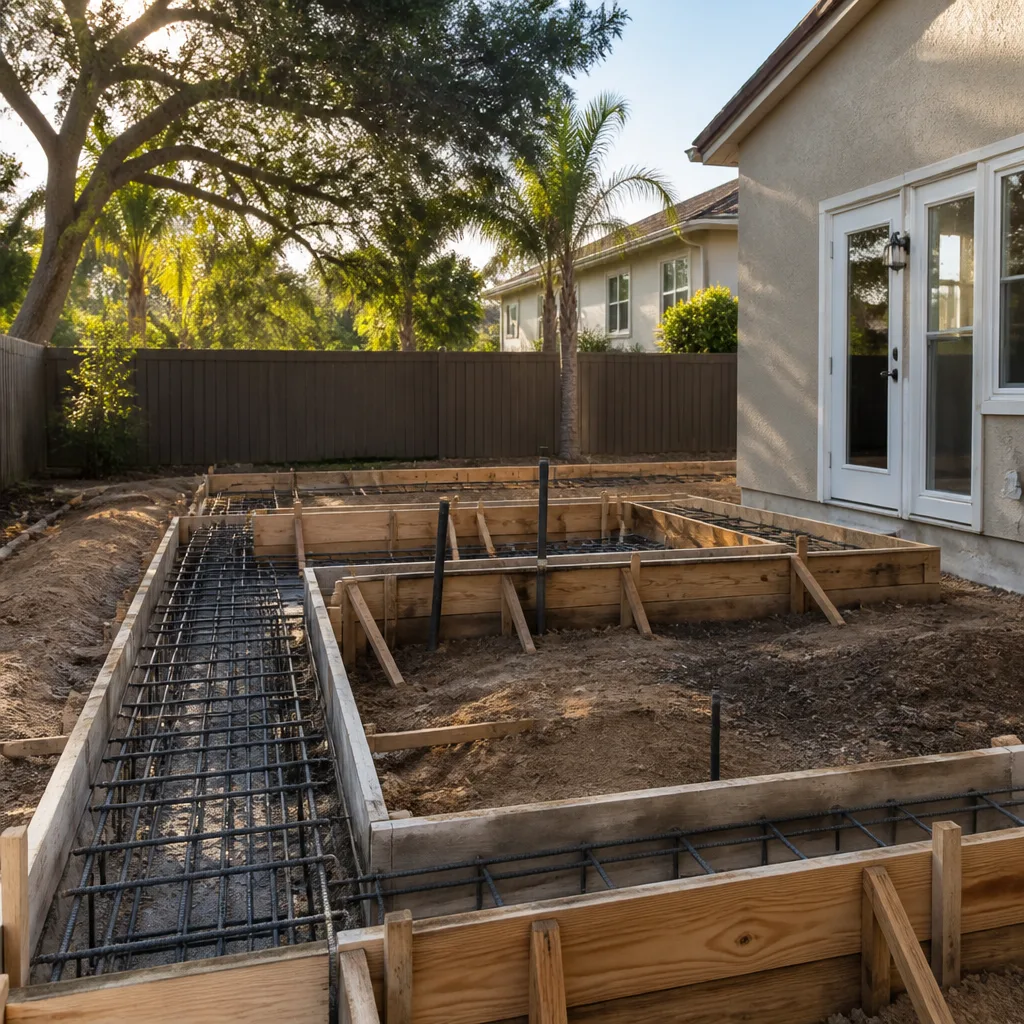
- Foundation and grade. Boulder City sits on caliche and rock in places. Excavation and foundation cost moves the number more than most owners expect.
- Roof tie-in and waterproofing. Matching the existing IKO cap sheet and doing the flashing right is where the price lives for additions.
- Permits and inspections. Pulled and closed out, not left open.
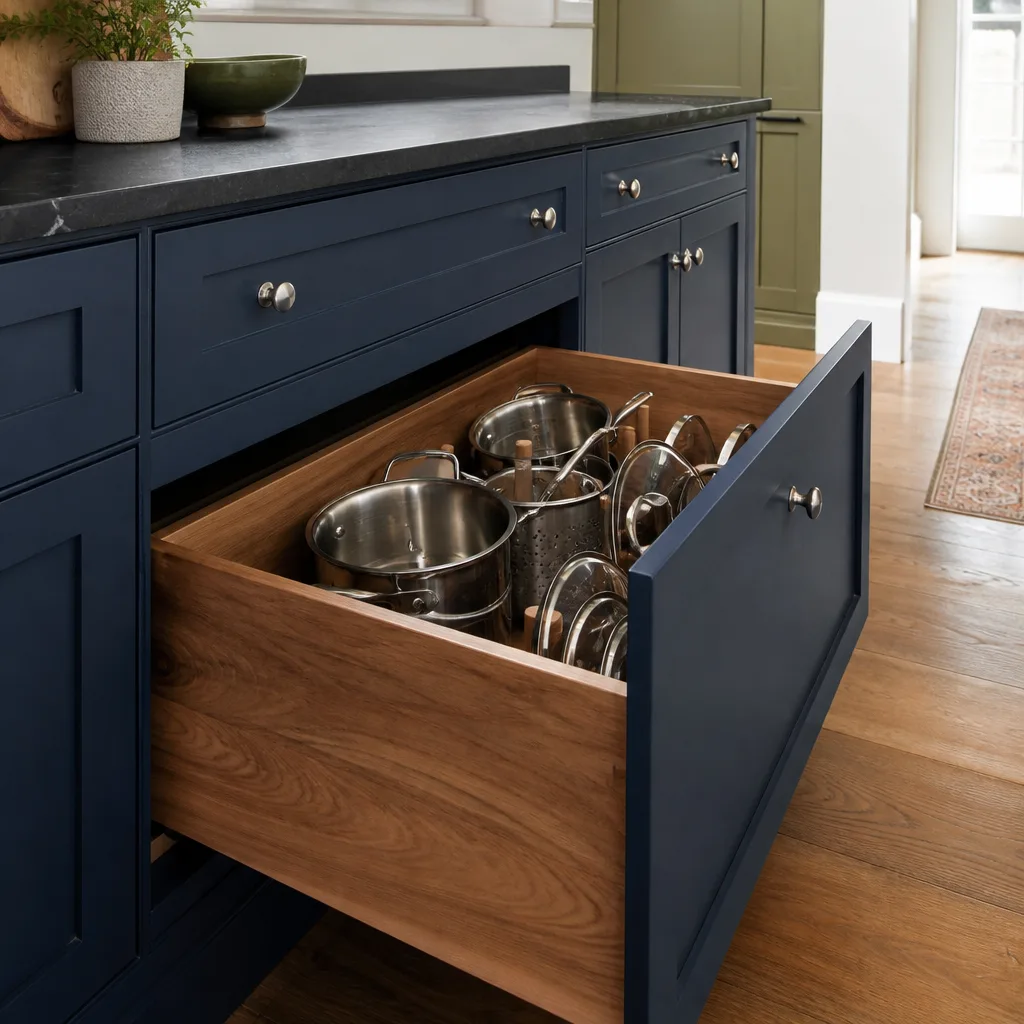
- Finish level. Cabinetry, surfaces, and fixtures from our documented line, including KraftMaid, Cambria, and Silestone, are quoted line by line.
Every Bradford job gets a written price before work begins. No numbers that move at the door. The finished work is covered by the 365-Day Done Right Promise: if it fails inside that year, we come back and correct it at no charge. Your written price is the number you’ll pay.
DIY or Call Us?
Some things you can check safely. Walk the flat roof and look for blisters, look at the ceiling inside after a rain, confirm the scuppers are clear, and find the IKO label if it’s still there. That’s diagnostics, not repair.
Where DIY goes wrong: hot-applied and torch-applied modified bitumen. This is open-flame work on a combustible roof assembly. It’s genuinely dangerous, it’s typically a permit requirement for additions, and a bad tie-in shows up as a leak two monsoons later. We don’t recommend DIY on the flame side, and we’re not going to walk you through it. Beyond the flame work, an addition ties into foundation, framing, and inspection, and those are not homeowner-permit scopes in Boulder City. Call (844) 797-9259 for a free estimate. A live person answers, 24/7.
FAQs

A granule-surfaced IKO low-slope cap sheet typically lasts 12 – 18 years in Boulder City’s sun, and shorter if the flat section ponds. The heat and UV here are the hard part; a roof that drains well hits the top of that range. Get the slope and drainage right at construction and you buy years of life.
Often yes. If the leak is isolated to a seam, a flashing point, or one blister, a localized repair is usually the right call and much cheaper than a new addition. If the cap sheet is granule-bare across the deck, repair becomes patching a failing system. We’ll tell you which one you have in writing.
A garage conversion usually runs several weeks. A full addition runs several months, and an ADU runs longer, driven by Boulder City permitting and inspection scheduling. You’ll get a written scope and schedule before work starts, not a guess.
We source IKO low-slope product from established suppliers and match the existing spec on tie-ins. Fixtures, cabinetry, and surfaces come from our documented brand roster, including KraftMaid, Cambria, and Silestone, so specs are traceable and warranties are intact. Call (844) 797-9259 for an exact quote. Estimates are free.
Written by the team at Bradford Remodeling Boulder City, serving Boulder City and nearby areas.