
Free written scope consultation - allowances, timeline, and change-order rules on paper before a single trade is scheduled
Atlas Fence Installation: The Boulder City Owner’s Guide
Atlas fence installation in Boulder City typically runs $3,500 to $9,000 for a full residential run, with the exact figure set by linear footage, material, terrain, and gate count. We install Atlas-compatible fencing – panels, posts, rails, and gates for vinyl and aluminum Atlas systems – and we put every dollar in writing before a shovel hits the ground. Fence work is planned construction, not emergency service, so we schedule it properly rather than promising a same-day crew.
Owners usually discover a fence problem the same way: a gate that drags on the ground by mid-summer, a post that wobbles after a wind event, or a panel that’s gone chalky and brittle on the sun-facing side. In Boulder City, the combination of intense UV and caliche-hard soil means fence failures show up faster here than in most of the valley. Below is what fails, what a replacement costs, and how to decide whether to fix it yourself or hand it to a crew.
Key Takeaways
- Installed Atlas-compatible fence projects in Boulder City run $3,500-$9,000 depending on footage, material, and terrain.
- UV degradation and caliche soil are the two biggest drivers of premature fence failure in Boulder City.
- We provide a written, line-item price before any work starts, and every install carries the 365-Day Done Right Promise.
Which Atlas Models This Applies To
Atlas builds fence systems across several product families, and the part you need has to match your specific line – a panel from one series won’t always seat into the posts of another. The most reliable way to identify what you have is to read the markings stamped on the post caps, the rail ends, or the underside of a top rail. If those aren’t legible, measure the actual post face (vinyl systems commonly run in specific nominal widths that vary by series) and the panel height, then match those measurements to the Atlas spec sheet for your product line before ordering anything.
The OEM-versus-aftermarket decision matters for Atlas specifically because Atlas vinyl profiles are extruded to their own tolerances. A generic big-box panel may look close but won’t lock into an existing Atlas rail or fit the routed post channel cleanly. For a repair, matching the exact Atlas profile is usually worth the small premium. For a full replacement run, a quality aftermarket system is a reasonable choice if you’re replacing posts, rails, and panels together so the tolerances stay consistent.
A compatibility gotcha worth knowing: Atlas aluminum and vinyl systems use different post-anchor and cap geometries, so a cap or bracket pulled from one won’t fit the other. Confirm the material system before you buy a replacement component. We’re an independent contractor and not affiliated with Atlas, but we’ve installed enough of their systems to sort the right part from the close-enough one. We also work with KraftMaid, Cambria, and Silestone on the interior side for homeowners doing a broader remodel.
Styles & brands we work with
- Kitchen remodeling
- Bathroom remodeling
- Home additions & ADU
- Roofing
- Windows & doors
- Driveway & pavers
- Fence
Signs Your Atlas Fence Installation Is Failing
Fence problems rarely appear all at once. Here’s what Boulder City owners actually notice, and what’s happening underneath.
- Gate sags or drags within a year. Heat expansion plus an undersized hinge or a post set shallow into caliche causes the gate to drop and catch the ground. The post is usually the culprit, not the gate.
- Posts wobble after wind. A post set in loose backfill or without proper concrete depth will rock in Boulder City’s gusty spring winds. Once it moves, the whole run loses tension.
- Panels chalk, yellow, or crack on the sun side. This is UV degradation. Vinyl facing south or west breaks down years ahead of the shaded side, and no amount of cleaning reverses it.
- Rails pull out of posts or panels pop loose. Heat cycling works fasteners and routed joints loose over time; the panel edges can crack at the insertion point.
- Rust or streaking on metal components. Fasteners, hinges, and aluminum rails show corrosion where the protective coating has failed, usually at cut ends and scratch points.
See the difference
 Before
 After
 Before
 After
 Before
 After
Replacement Cost & What’s Included
Installed Atlas-compatible fence replacement in Boulder City runs $3,500-$9,000. That range reflects linear footage, material choice (vinyl toward the lower-middle, aluminum toward the upper), terrain, gate count, and whether old fence and concrete footings have to come out.
| Item | Typical Range |
|---|---|
| Full vinyl fence install (Atlas-compatible) | $3,500-$9,000 |
| Full aluminum fence install | $4,000-$10,000 |
| Post replacement (per post, set in concrete) | Quoted per job |
| Gate rebuild or re-hang | Quoted per job |
What drives the range: footage and post count, material system, soil conditions (caliche slows digging and can require different footing work), gate hardware, and removal of the old run. We itemize parts and labor separately in the written price so you can see exactly where your money goes. Every install is covered by the 365-Day Done Right Promise – if the work fails within the guarantee period, we return and correct it at no charge.
DIY or Call Us?
Some checks are safe and smart to do yourself: walk the run and test each post for movement, read your Atlas post-cap markings, measure panel height and post width, and note which sections face the sun. That information makes any quote more accurate.
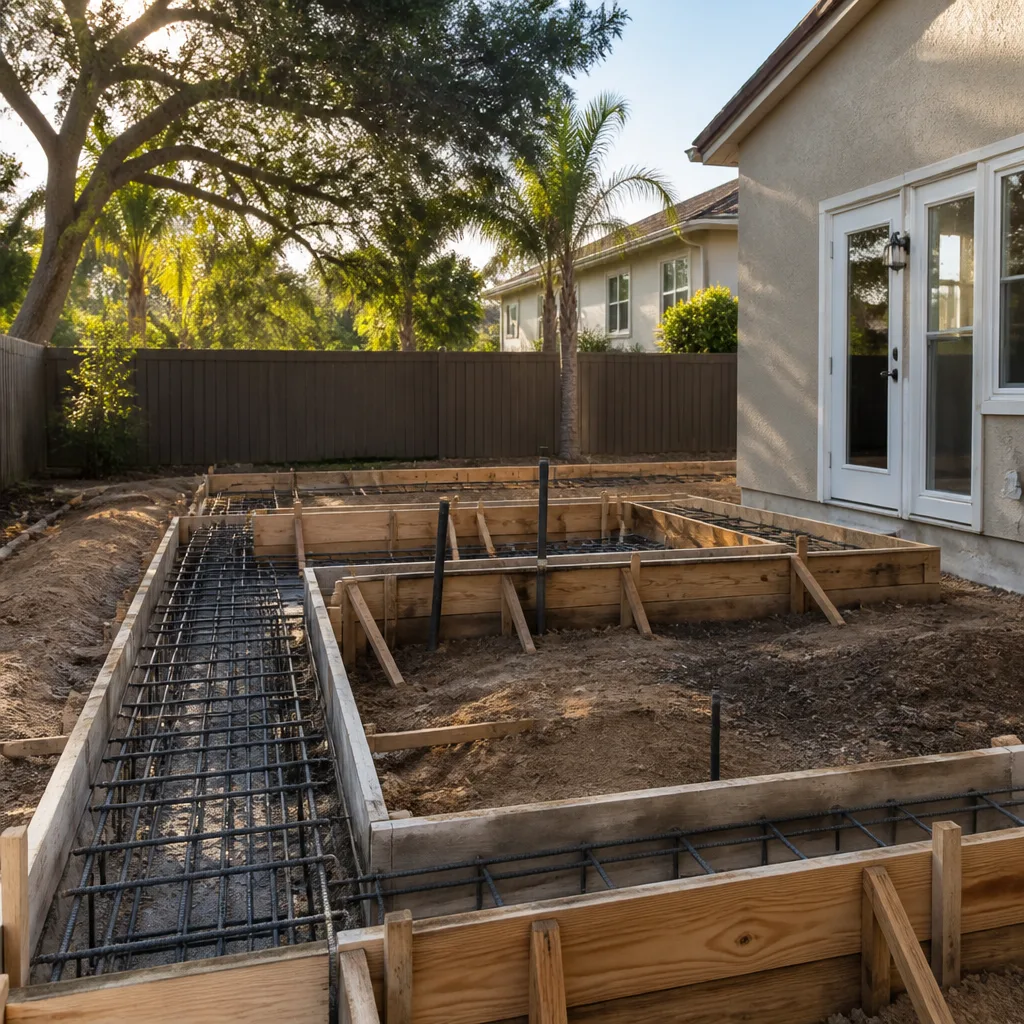
Where DIY goes wrong on fence work is at the footings and the post-set. Setting a post to the right depth in Boulder City’s caliche soil, getting the concrete mix and cure right, and keeping the run square and plumb is where most homeowner installs fail within a season. Digging into hard caliche also risks buried utility lines – call 811 before you break ground, every time. If a post is already loose or a rail has pulled free, that’s a footing or structural problem, and re-burying it the same way will fail again. That’s the point to bring in a crew that sets posts to spec and stands behind the result.
FAQs

A quality Atlas-compatible vinyl or aluminum system typically lasts 15 to 20+ years here, but the sun-facing side degrades first – expect UV wear to show years ahead of the shaded sections. Proper post-setting and footing depth are what determine whether the run makes it to that upper end.
Often yes – a single failed post or a sagging gate can be rebuilt without replacing the whole run. If the panels are chalky and brittle across a long span, though, patching becomes throwing money at a fence that’s already past its life. We’ll tell you which situation you’re in, with a written price for each option.
A typical residential run takes a few days, depending on footage, gate count, and how hard the caliche is to dig. We give you a schedule in writing before the crew starts, and we don’t promise same-day fence work because doing it right takes the time it takes.
We order OEM or quality aftermarket components matched to your specific Atlas series, confirmed by the measurements and markings off your existing fence. We don’t carry parts on a truck – the right profile for your line is ordered to the job so the fit is correct.
If your Atlas fence is failing or you’re ready to replace a run, call (844) 797-9259 for a free estimate. A live person answers, 24 hours a day, and you’ll have a written, line-item price before any work starts – that’s The Garrison Standard in practice.
Written by the team at Bradford Remodeling Boulder City, serving Boulder City and nearby areas.