Free written scope consultation - allowances, timeline, and change-order rules on paper before a single trade is scheduled
Styles & brands we work with
- Kitchen remodeling
- Bathroom remodeling
- Home additions & ADU
- Roofing
- Windows & doors
- Driveway & pavers
- Fence
See the difference
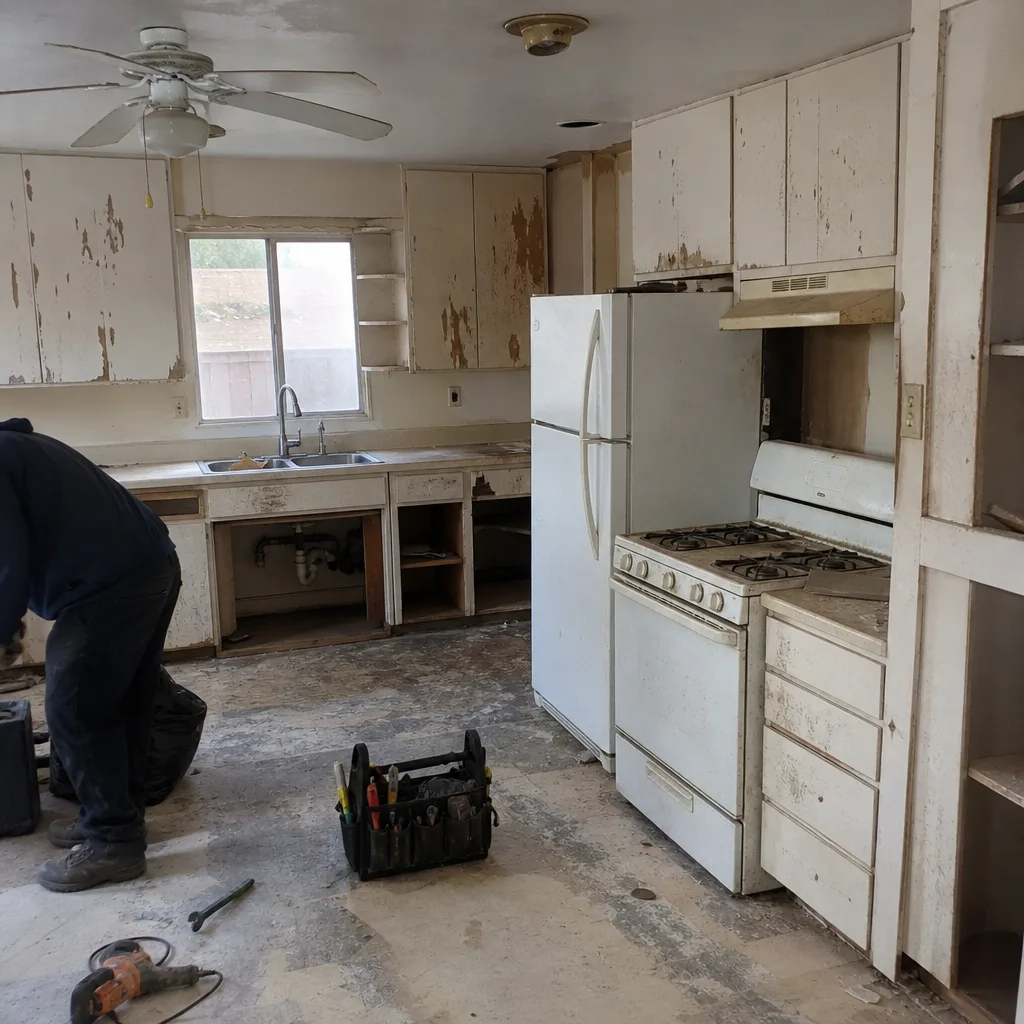 Before
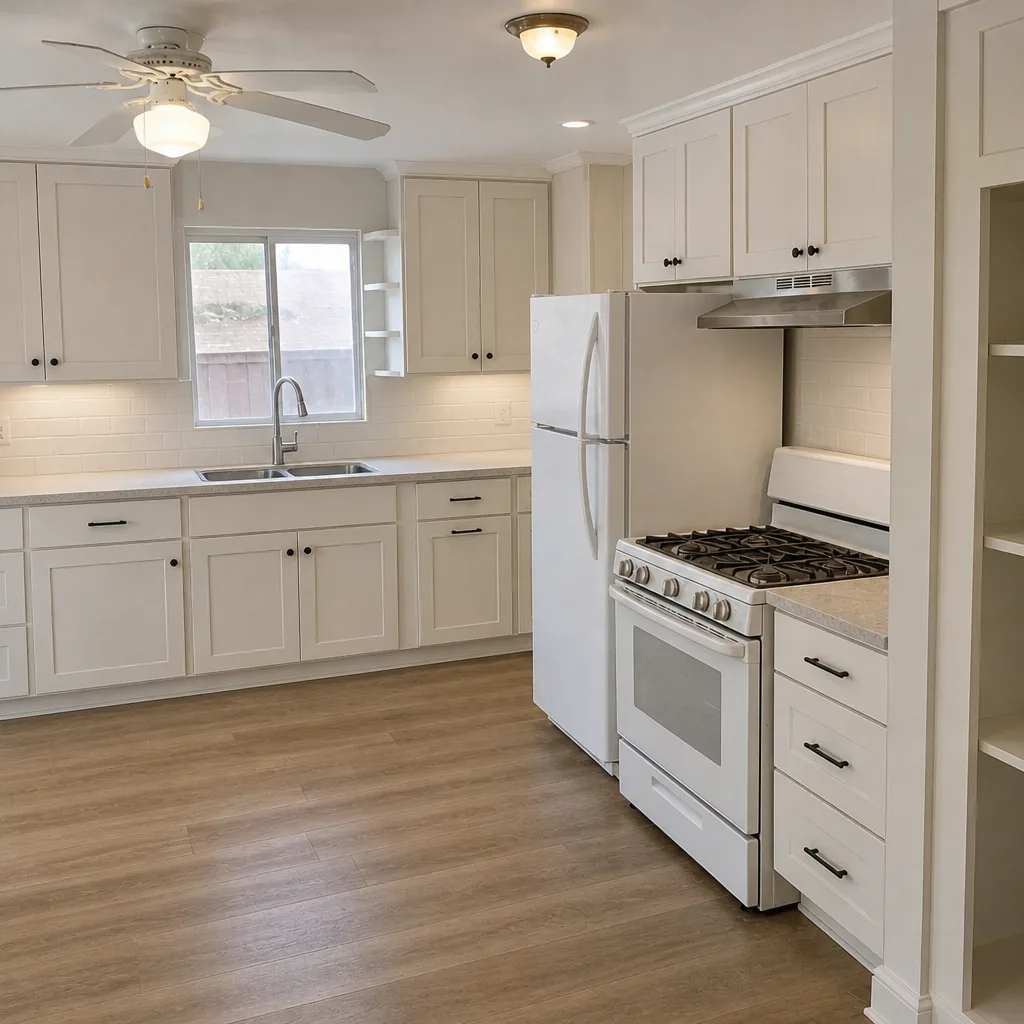 After
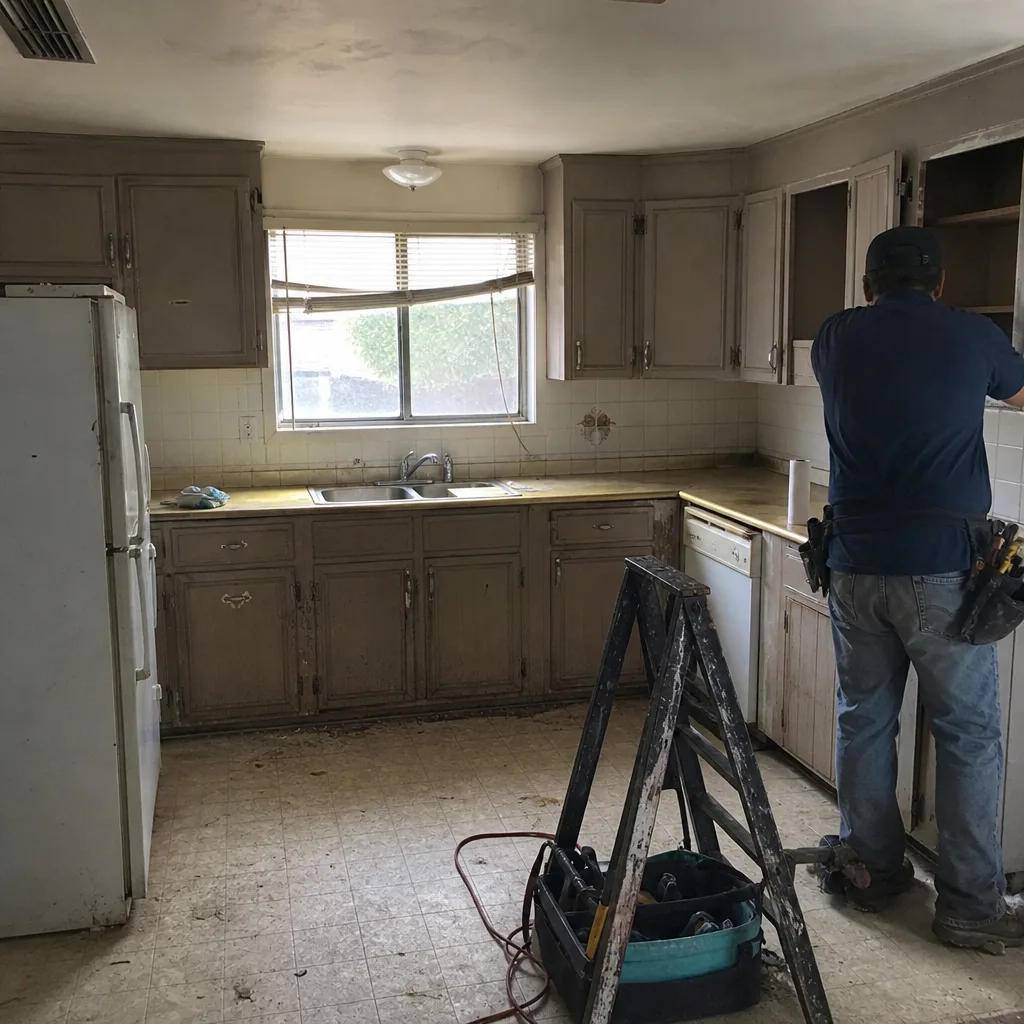 Before
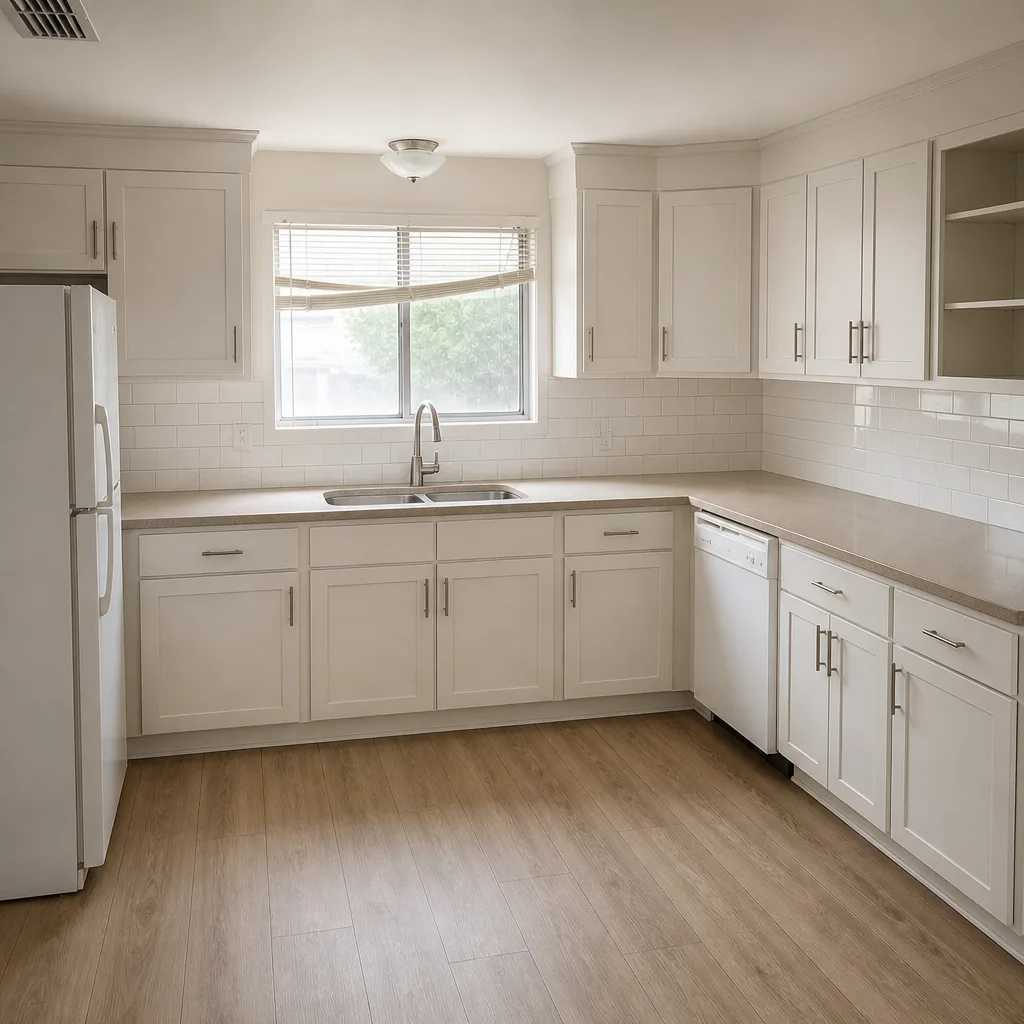 After
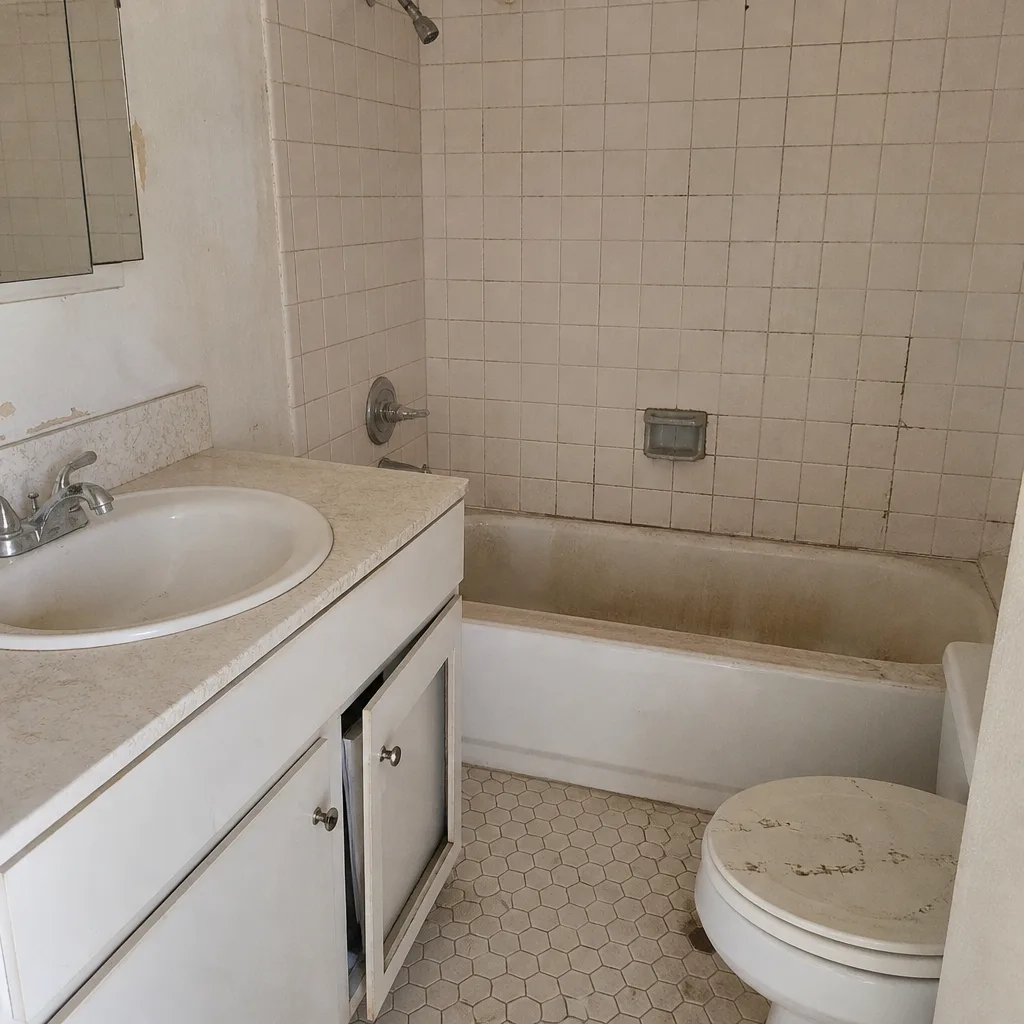 Before
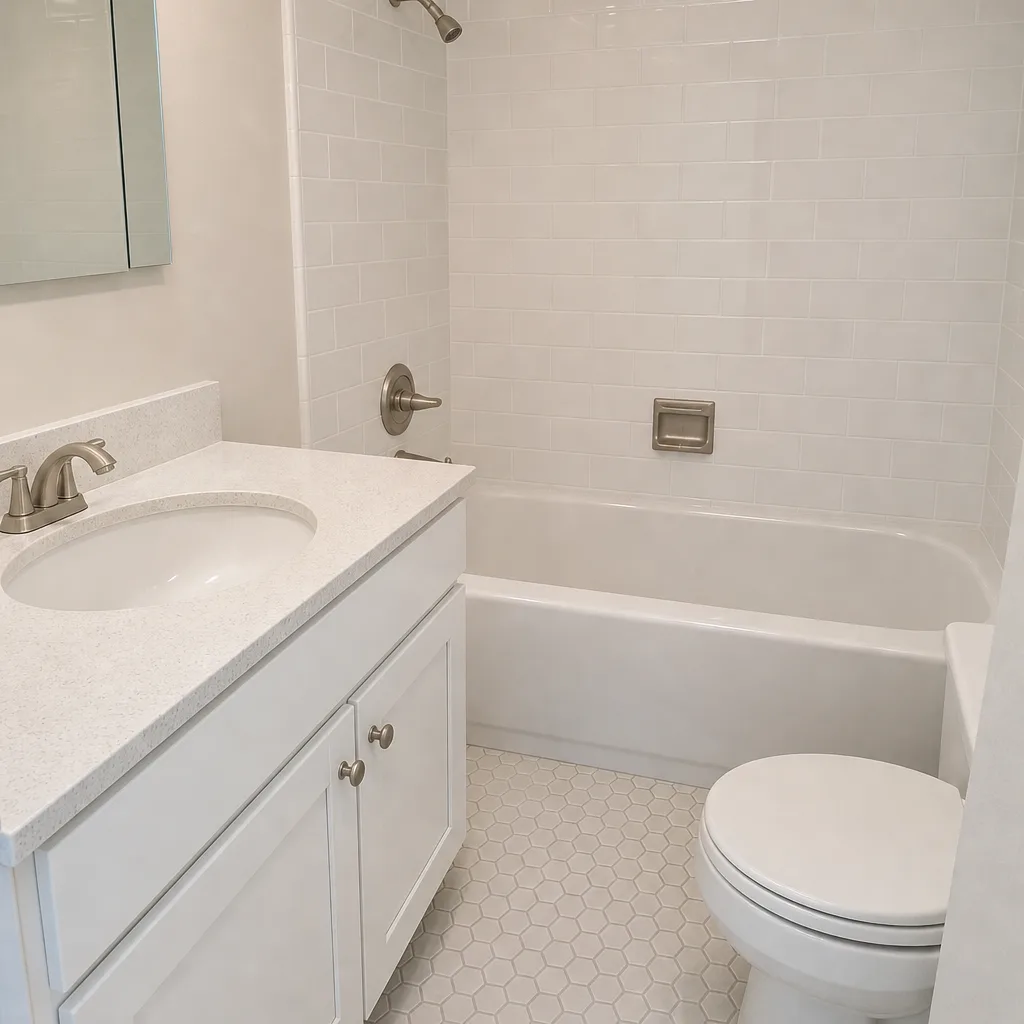 After
Attached vs Detached ADU in Boulder City, NV: Let the Lot Decide
Choose attached unless your Boulder City lot has the rear-yard depth and clean utility access to carry a separate structure. For most infill parcels in this city, the attached ADU wins by default: a 6,000 to 7,500 square foot 1930s lot, with setbacks and existing utility laterals, physically rules out the detached option before design begins. If your lot is larger and sits clear of federal boundaries, a detached ADU gives you more privacy and rental separation. Bradford Remodeling Boulder City will run the lot math in writing before you spend money on drawings. Call (844) 797-9259 for a free assessment.
Why the Lot Makes This Decision for You
Most attached-vs-detached ADU guides treat the question as a matter of taste. Boulder City doesn’t give you that luxury.
Take a representative lot on one of the older blocks near the historic townsite. Say 6,500 square feet, a 25-foot front setback, and a rear setback that runs in the neighborhood of 5 feet. Subtract the primary structure. Subtract the required side yards. What’s left in the rear yard is often a strip 20 to 25 feet deep. A detached ADU needs a footprint wide enough to live in, plus separation from the house, plus access for construction equipment. On that strip, it usually doesn’t fit. The home addition range for this work in Boulder City runs $45,000-$130,000 for an attached build, while a fully detached ADU typically lands between $90,000-$220,000. On a lot that can’t carry it, the detached number isn’t a budget question. It’s a yard that doesn’t exist.
This is the part the comparison articles miss. Before you decide between attached and detached, you decide whether the parcel permits one at all.
The Federal Land Boundary That Changes Everything
Boulder City sits as an island. Lake Mead National Recreation Area and BLM land surround much of the city, and plenty of parcels share a rear boundary with federal ground. When your back fence touches federal land, a detached ADU gets complicated fast. Access easements, maintenance responsibilities, and where a structure can legally sit relative to that boundary all come into play. We’ve seen rear-yard plans stalled for weeks because nobody checked the parcel line before the drawings were ordered.
An attached ADU sidesteps most of this. It builds off the existing primary structure, uses the existing footprint area, and doesn’t introduce a new building sitting against a federal line. On those boundary parcels, attached isn’t just the practical choice. It’s often the only one that clears review without a fight.
The Utility Separation Problem on 1930s Blocks
Here’s where detached ADUs on old Boulder City blocks get expensive. A detached structure needs its own utility laterals – separate electrical service, water, and sewer connections running from the structure to the main. On blocks built in the 1930s for Hoover Dam workers, that infrastructure is old. The city’s utility department may require main-line upgrades before it approves a second connection on the same lot. That’s additional cost and additional permits, and it shows up after you’ve already committed to the detached plan.
An attached ADU shares the existing laterals. No second service. No main-line upgrade negotiation. On a 1950s stucco home with original plumbing, that difference alone can swing the project. We work with contractors across the area who know this landscape, and the utility conversation is one of the first things a careful assessment covers.
Historic District Design Review: Where Attached Wins Again
The historic townsite has design review. Any exterior work on a visible structure triggers it, and a detached ADU sitting in the rear yard is very much a new building in the view corridor. It has to match the materials, massing, and character of the primary structure – adobe, masonry, stucco, period-correct detailing. Getting that right takes specialized knowledge of period methods.
An attached addition is easier to design to that standard because it reads as part of the existing building. It shares rooflines, shares wall planes, shares the massing the reviewers want to see preserved. If your home sits inside the townsite’s historic area, this is a real factor in the comparison, not a technicality.
Side-by-Side: Attached vs Detached in Boulder City
| Factor | Attached ADU | Detached ADU |
|---|---|---|
| Typical cost range here | $45,000-$130,000 | $90,000-$220,000 |
| Rear-yard space needed | Minimal – builds off existing structure | 20-25+ feet of clear rear yard, plus separation |
| Utility connections | Shares existing laterals | Needs separate laterals; main-line upgrades possible |
| Federal boundary parcels | Usually workable | Easement and access complications |
| Historic design review | Reads as part of the house | Must match character as a new building |
| Privacy / rental separation | Shared walls | Fully separate |
If your lot is generous, sits clear of federal lines, and the existing utilities can carry a second connection, go detached. For everyone else on a typical Boulder City infill parcel, attached is the honest recommendation.
What a Pre-Project Lot Assessment Actually Covers
Before any drawings get ordered, Bradford Remodeling Boulder City runs a written site assessment under The Garrison Standard. That document includes:
- Setback and lot-coverage analysis against the current rear and side yard rules
- Utility lateral capacity and whether a second connection is feasible
- Parcel boundary check for federal land adjacency and easement issues
- A written scope and price range before any work starts – $45,000-$130,000 for attached ADU work
- Historic design review triggers if the home sits in the townsite
You get a document that tells you which ADU type your lot supports. If a detached structure genuinely fits, the assessment says so. If it doesn’t, you find out before the architect’s invoice arrives. That’s the whole point of The Garrison Code – the answer comes in writing, not a guess.
Materials, Guarantee, and How We Close the Job
The desert here punishes materials. Summer highs regularly top 100°F, sun beats down year-round, and concrete curing has to be scheduled around the heat. We specify exterior products from a documented roster – GAF and James Hardie among them – so the specs are traceable and the manufacturer warranties back up our own. For window and door upgrades on an ADU, we work with brands like CGI and ES Windows where the spec calls for them.
Every completed project carries the 365-Day Done Right Promise: a full-year written guarantee. If the work fails inside that window, we return and correct it at no charge. At close, you get a clean site, a documented scope, and a signed guarantee in your hand. Our technicians have up to 22 years of experience, and every one of them is background-checked and uniformed. A live person answers the phone around the clock – call (844) 797-9259.
FAQs
An attached ADU is nearly always cheaper in Boulder City, typically running $45,000-$130,000 versus $90,000-$220,000 for detached. The gap comes from shared walls, shared utility laterals, and no new foundation footprint. On older 1930s blocks, the main-line upgrade that a second connection may require pushes the detached cost higher still. Call (844) 797-9259 for an exact figure on your lot – estimates are free.
It’s often difficult and sometimes impossible, because parcels bordering Lake Mead NRA or BLM land face access easement and placement restrictions on the rear yard. The structure has to sit clear of the boundary, and the easement terms may limit where it can legally go. An attached ADU usually avoids the problem entirely. The only way to know is a parcel-line check before design – call (844) 797-9259 and we’ll run it.
A detached structure is a separate building, so it needs its own electrical service, water, and sewer laterals running to the main. On 1930s-era blocks, the utility department may first require a main-line upgrade before it approves that second connection, which adds cost and time. An attached ADU shares the home’s existing laterals and skips that step. Call (844) 797-9259 to find out what your block’s infrastructure can carry.
Yes. A detached ADU visible from the street must match the character of the primary structure in materials and massing, which is harder to pull off in an adobe and masonry townsite. An attached addition is easier to design to that standard because it reads as part of the existing house. Your other home renovation work may also trigger review if it touches exterior surfaces.
Get the Lot Math Before the Drawings
Your Boulder City lot has already made part of this decision for you. A no-pressure assessment tells you which ADU type it will actually support, delivered in writing before any cost is committed. If you’d rather have it looked at, Bradford Remodeling Boulder City offers a no-pressure assessment in Boulder City – call (844) 797-9259 for a free estimate.
Learn more about our Boulder City service area.
Written by the team at Bradford Remodeling Boulder City, serving Boulder City, NV.