
Free written scope consultation - allowances, timeline, and change-order rules on paper before a single trade is scheduled
James Hardie Fence Installation: The Boulder City Owner’s Guide
We install James Hardie siding and trim assemblies used to build and clad privacy fencing in Boulder City, and a full fence installation typically runs $3,500 – $9,000 installed, depending on linear footage, height, and how much of the framework we’re rebuilding versus reusing. Most Boulder City owners don’t set out to buy a fence part at all; they call after a wind event peels a panel loose, or after paint starts flaking off the back side of a HardiePanel and they realize the boards behind it have been soaking up moisture for a season.
This page is written for the owner who already knows they want Hardie on the fence line and wants to understand what they’re actually buying, what fails first in our climate, and what a squared-away installation looks like from the price on paper through the signed guarantee. Bradford Remodeling is an independent contractor and isn’t affiliated with James Hardie. We install and repair the product; the manufacturer backs the product itself.
Key Takeaways
- Installed James Hardie fence work in Boulder City runs $3,500 – $9,000, quoted in writing before any work starts.
- Fiber cement lasts in Boulder City’s sun and dry heat, but it fails fast when the framing behind it isn’t ventilated or flashed correctly.
- Every completed project carries our 365-Day Done Right Promise: if the work fails inside that year, we return and correct it at no charge.
- Live person answers (844) 797-9259 day or night, and estimates are free.
Which James Hardie Models This Applies To
James Hardie doesn’t sell a single “fence product,” and that trips up a lot of homeowners shopping for parts. The boards on a Hardie-clad fence are usually HardiePanel vertical siding (the 4×8 and 4×10 sheets, most commonly 5/16-inch thick) or HardiePlank lap siding in one of the narrow exposures, cut down to a fence-friendly height. Some builds use HardieTrim boards for caps and corner trim. Identifying your material matters because the sheet goods and the trim boards have different thicknesses, fastener schedules, and paint requirements, and a panel cut for a 6-foot fence won’t match the trim depth of a cap built for 5/16-inch panels.
Here’s how to tell what you’ve got before you order anything. Pull a tape measure across the thickness of an exposed edge: 5/16 inch is HardiePanel territory; anything closer to 3/4 or 1 inch is HardieTrim. Check the back of the board for the stamp – James Hardie prints the product line and often a batch code there. Fiber cement also has a distinct tap tone (dull and dense, not hollow like vinyl) and a rough, sanded face on the back. That back face is a compatibility gotcha worth knowing: many older panel runs have one smooth face and one textured face, and the textured side is not meant to be the weathering surface. If a previous installer flipped it, the paint will fail early. The OEM-versus-aftermarket call is simpler than it is for, say, a garage door spring: genuine Hardie replacement panels guarantee matched composition and finish, while generic fiber cement from the box store may differ in density and won’t hold the same paint cycle in Boulder City’s UV. We install with documented James Hardie materials – the same brand-standard approach we take with KraftMaid, Cambria, and Silestone on interior work.
Styles & brands we work with
- Kitchen remodeling
- Bathroom remodeling
- Home additions & ADU
- Roofing
- Windows & doors
- Driveway & pavers
- Fence
Signs Your James Hardie Fence Installation Is Failing
Boulder City’s dry heat and high sun load age fencing differently than coastal or mountain climates do. Here’s what we see on inspections, and what’s actually going on behind each symptom:
- Paint peeling or chalking on the back or sun-exposed side. Fiber cement needs a quality paint job on all six faces (both sides plus every cut edge), and when the factory primer is left bare on the back, moisture and sun break it down within a few seasons. Peeling usually means the paint system failed, not the board.
- Panels cupping or bowing between posts. This points to framing that’s too widely spaced or nailing that’s too tight. Hardie needs to move slightly; overdriving fasteners or nailing tight against the studs forces the board to crack at the fastening line instead of flexing.
- Soft or discolored spots at the bottom edge. Ground contact is the enemy. If the panel sits within a couple inches of soil or gravel, wicking pulls moisture up into the board and it never dries out. This is the most common failure we correct in Boulder City backyards.
- Loose or rusting fasteners. Standard drywall screws or non-coated fasteners rust out and back off. James Hardie calls for corrosion-resistant fasteners sized for the product; the wrong fastener schedule is a slow failure that shows up as rattling panels in wind.
- Hairline cracks radiating from corners or cut edges. Cracks at a cut edge usually mean the edge wasn’t sealed before painting, or the board was cut with the wrong blade and the edge chipped. Fiber cement is brittle at an unfinished edge.
One thing to be clear about up front: nothing on a fiber cement fence is going to electrocute you or drop on your head like a failing garage spring. The real risk with this part is misdiagnosis. Homeowners see a cracked or peeling panel, replace it, and watch it fail again in two years because the moisture source – poor flashing, ground contact, or unsealed edges – was never touched.
Replacement Cost & What’s Included
A full James Hardie fence installation in Boulder City runs $3,500 – $9,000. That range is driven by linear footage, fence height, how many posts and rails we’re setting versus reusing, and whether we’re building a new line or re-cladding an existing frame. Here’s roughly how the money breaks down:
- Panels and trim material: usually the largest line item on a new build; lower if we’re re-cladding an existing sound frame.
- Framing and posts: pressure-treated posts and rails set plumb and properly spaced. Rotten posts get replaced, not covered over.
- Flashing and ground clearance: the small line item that decides whether the fence lasts. Every panel gets held clear of grade and flashed at the base.
- Paint and finish: sealed cut edges and a full paint system on all faces.
- Labor and cleanup: tear-out and haul-away if applicable, site left clean at close.
You get a written, line-item price before any work starts – no numbers that move at the door. Every completed project carries the 365-Day Done Right Promise: if the installation fails within that year, we come back and fix it at no charge. Material warranties on the James Hardie product are separate and come from the manufacturer.
See the difference
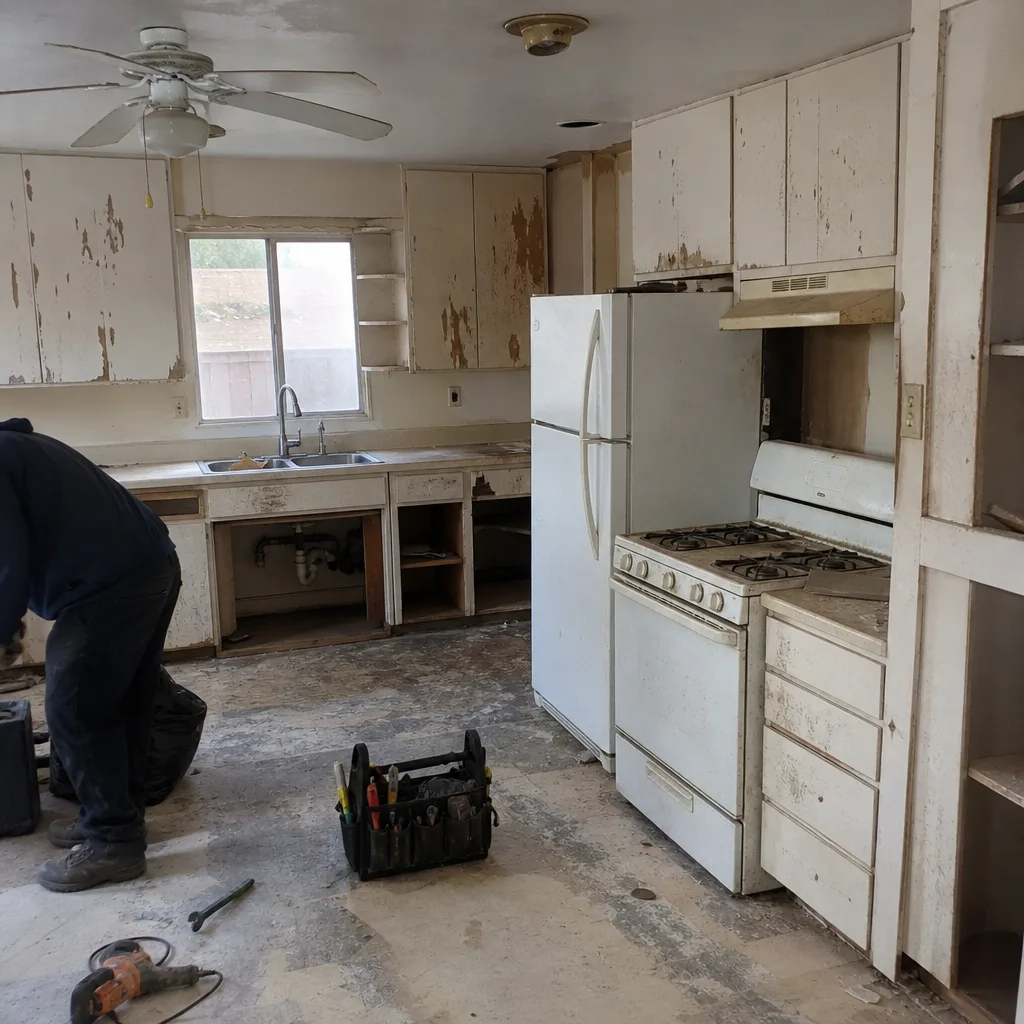 Before
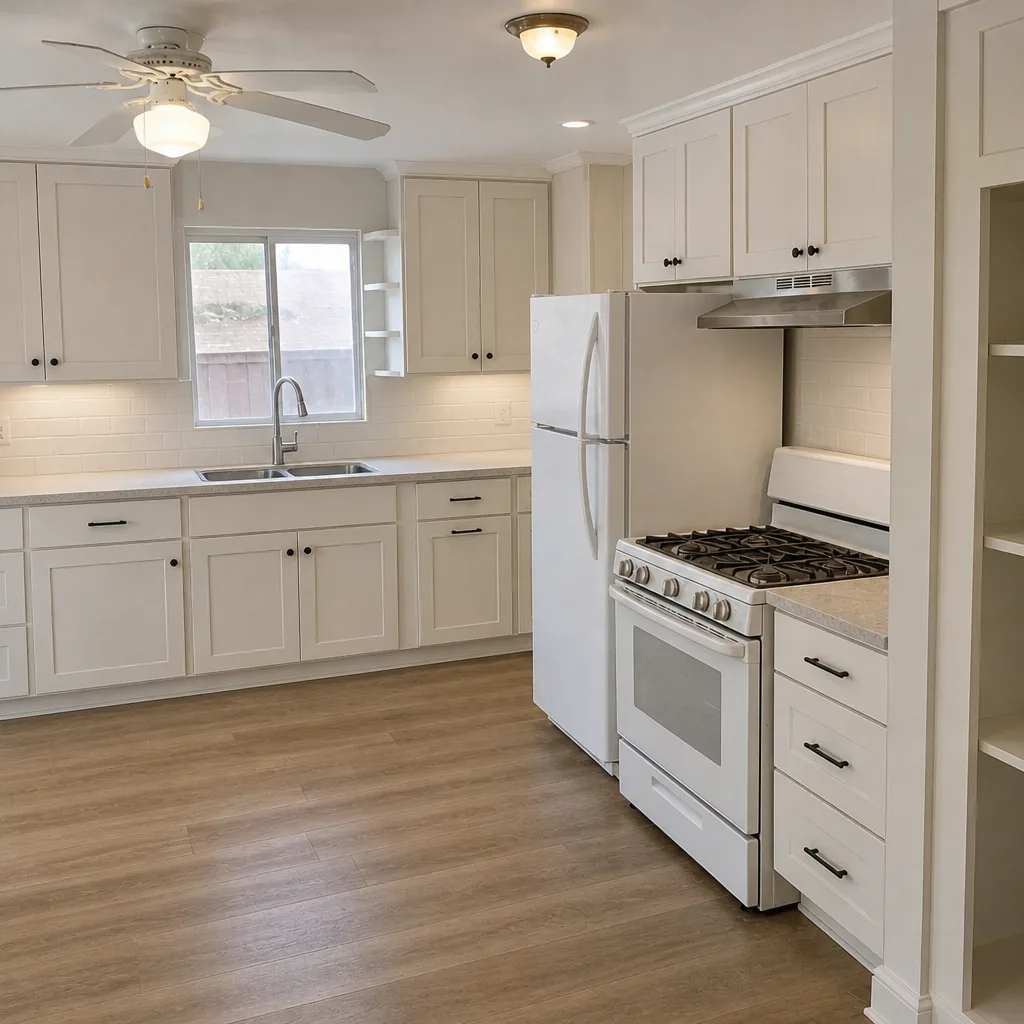 After
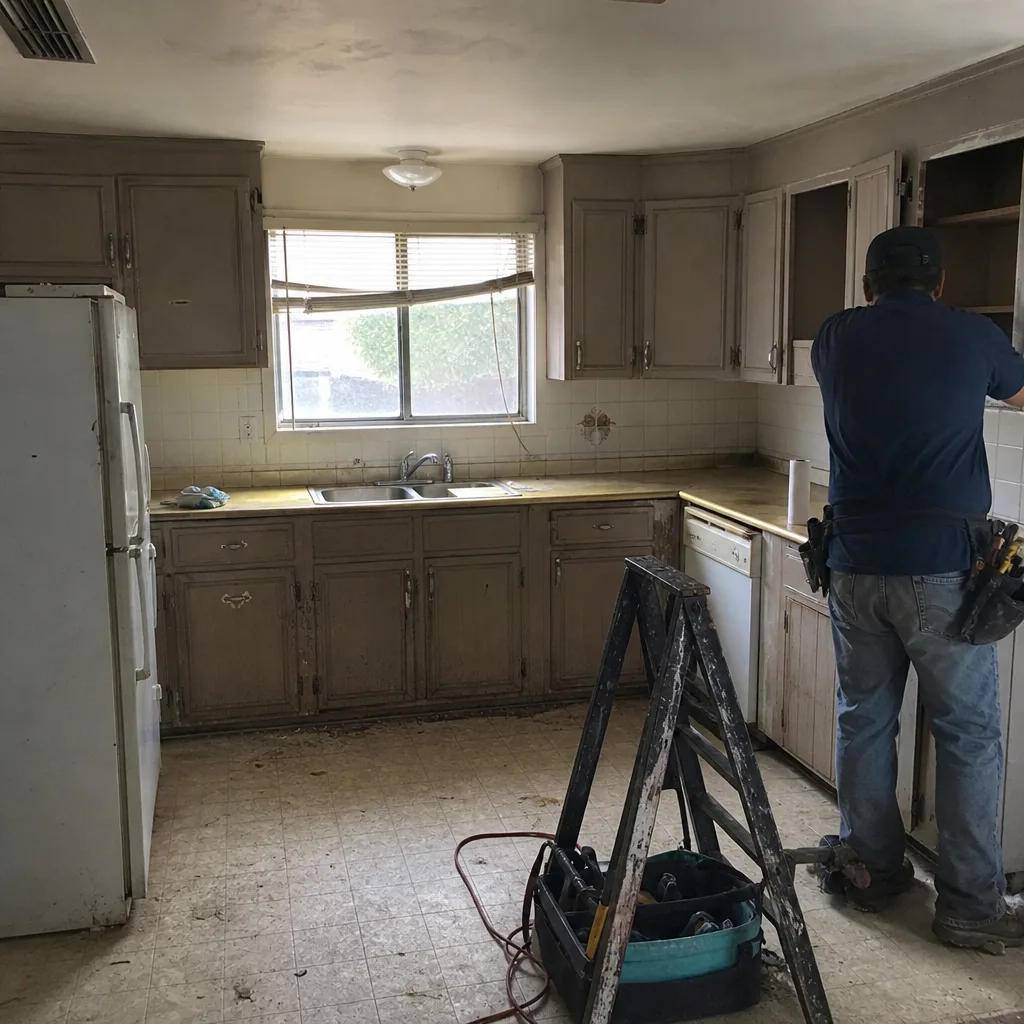 Before
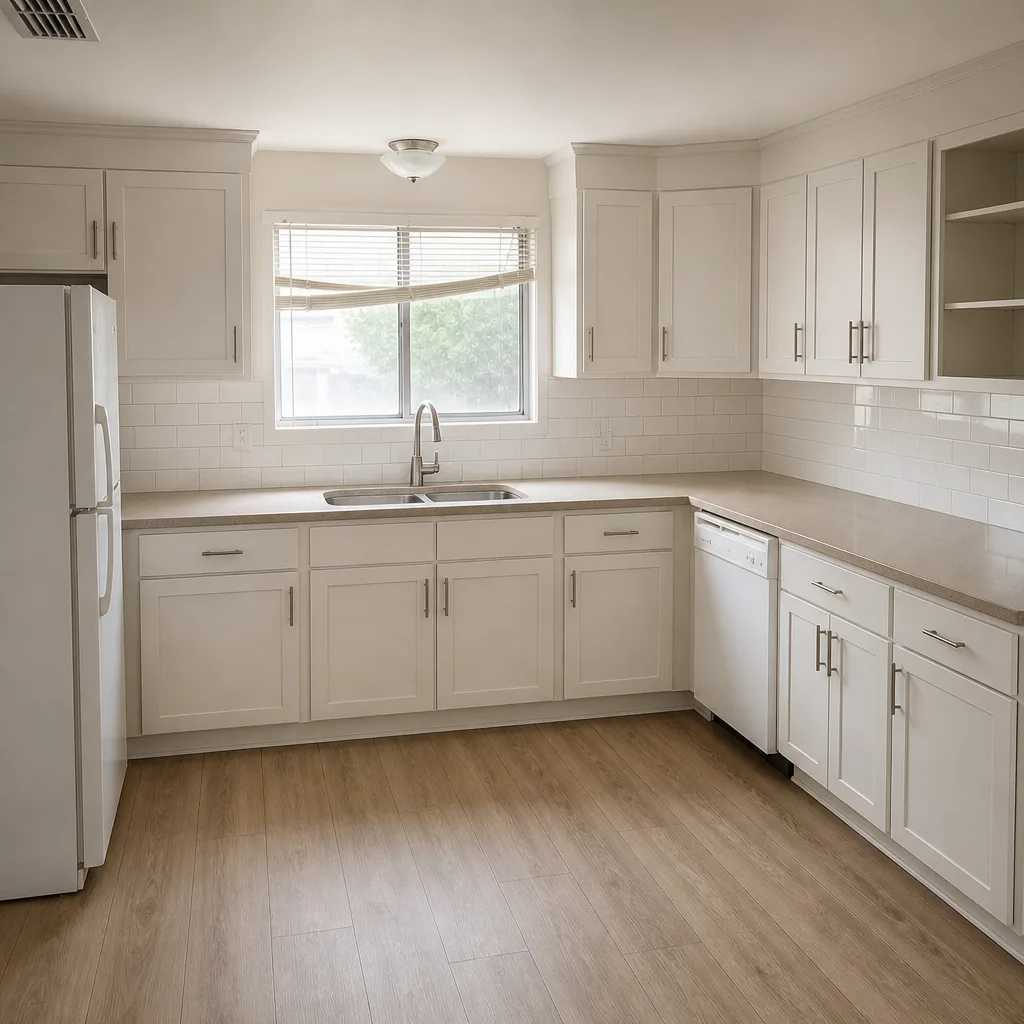 After
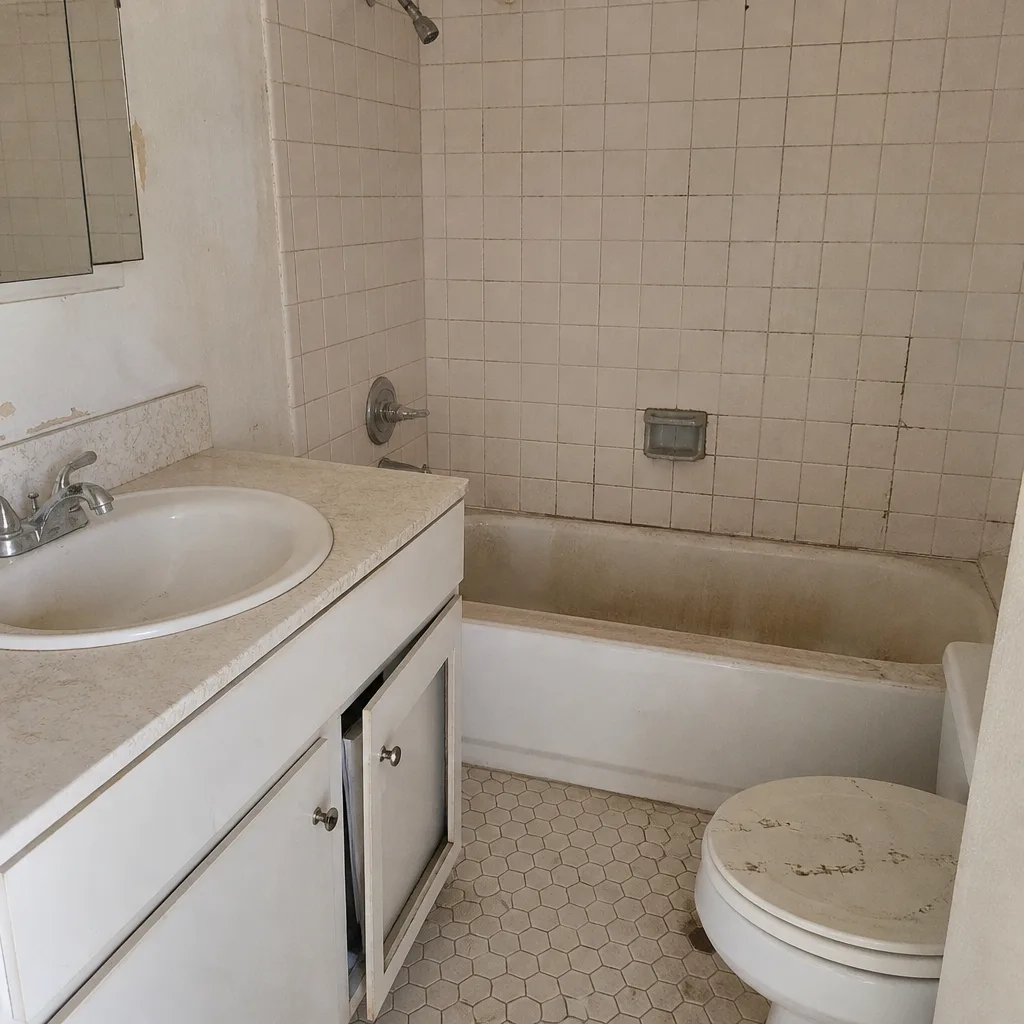 Before
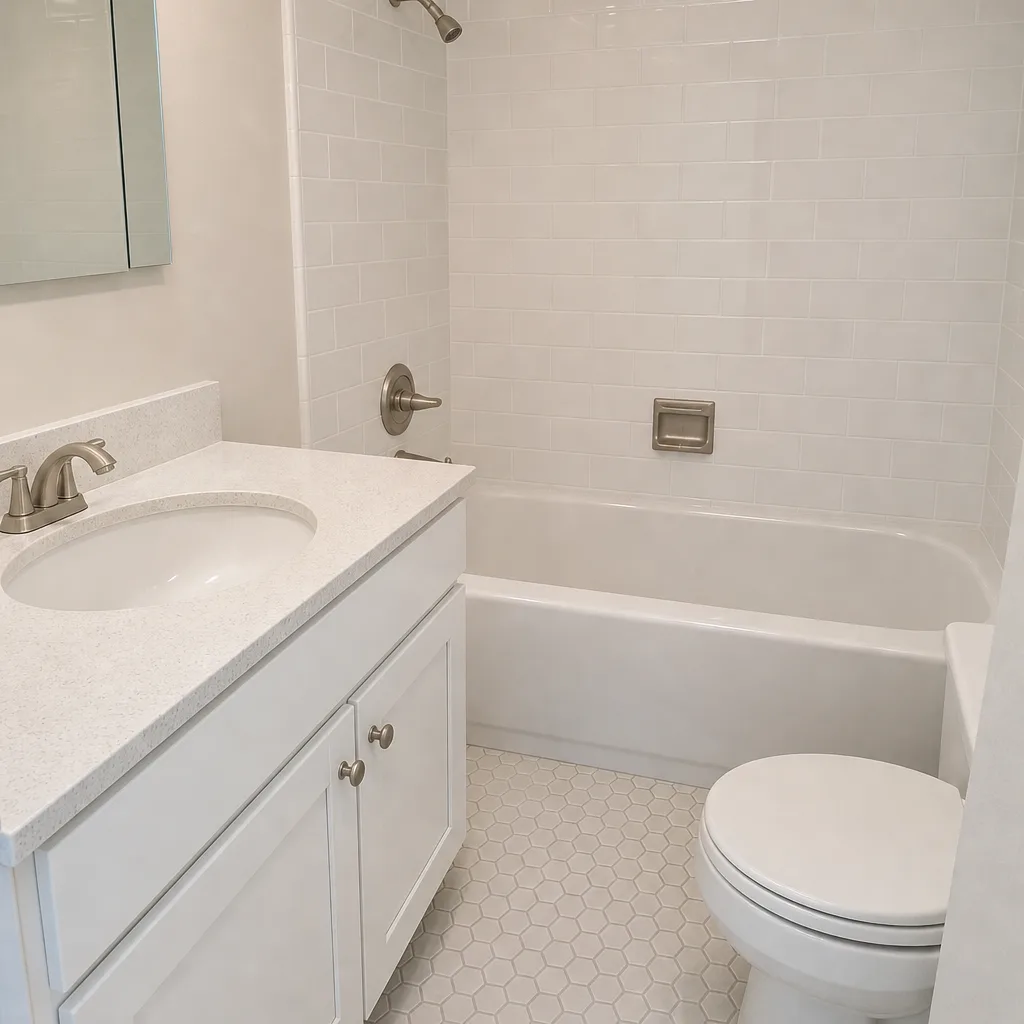 After
DIY or Call Us?
Some of this work is reasonable to check yourself. You can walk the fence line, measure ground clearance at the base of each panel, look for rusted fasteners, and note where paint is lifting. If you’re re-cladding an existing frame that’s solid and plumb, a confident DIYer can do it.
Where it goes wrong is the framing, flashing, and edge-sealing – the invisible three-quarters of the job. A fence that looks fine the day it’s finished can wick moisture for two seasons and then fail, and by the time the panels are soft, you’re replacing boards you just paid for. That’s the mistake we get called to correct most often in Boulder City. It’s also the part our written price covers up front, so you know what the flashing, the clearance, and the finish actually cost before a single tool comes out. Call (844) 797-9259 for a free estimate – a live person picks up, day or night.
FAQs
A properly installed Hardie fence should give you 20 to 30 years of structure, with a repaint every 8 to 12 years under our sun load. The board itself outlives the paint and the framing, which is why clearance and edge-sealing decide the real lifespan. Call (844) 797-9259 for an exact quote on your line – estimates are free.
Yes, often – if the damage is isolated to one or two panels and the framing behind them is sound. We check for the moisture source first, because swapping a panel without fixing what caused the failure just buys you a repeat. If the frame is soft or out of plumb, a repair won’t hold and we’ll tell you straight. Call (844) 797-9259 and we’ll lay out both options in writing.
A typical re-clad or repair on an existing frame is a one to two day job; a full new build of several hundred linear feet runs longer, and we give you the schedule in writing before we start. Weather and material lead times can shift it, and we tell you when they do rather than leaving you guessing.
We install documented, genuine James Hardie product – HardiePanel, HardiePlank, and HardieTrim – sourced through the manufacturer’s supply chain, not generic fiber cement from a box store. That’s the same brand-discipline we hold across the roster we install, from GAF and Therma-Tru on exteriors to KraftMaid on interiors. We don’t carry stock on a truck; the material is ordered to your job and accounted for in the written price. Call (844) 797-9259 to schedule your free estimate.
Get a Written Price on Your Boulder City Fence
If your Hardie-clad fence is peeling, bowing, or sitting too low to the ground, we’ll come look at it, tell you what’s actually failing, and put a line-item price in your hands before any work begins. That price doesn’t move at the door. Background-checked technicians on every job, a live person answering the phone 24/7, and the 365-Day Done Right Promise covering the finished work for a full year. Call (844) 797-9259 for your free estimate in Boulder City today.
Written by the team at Bradford Remodeling Boulder City, serving Boulder City and nearby areas.