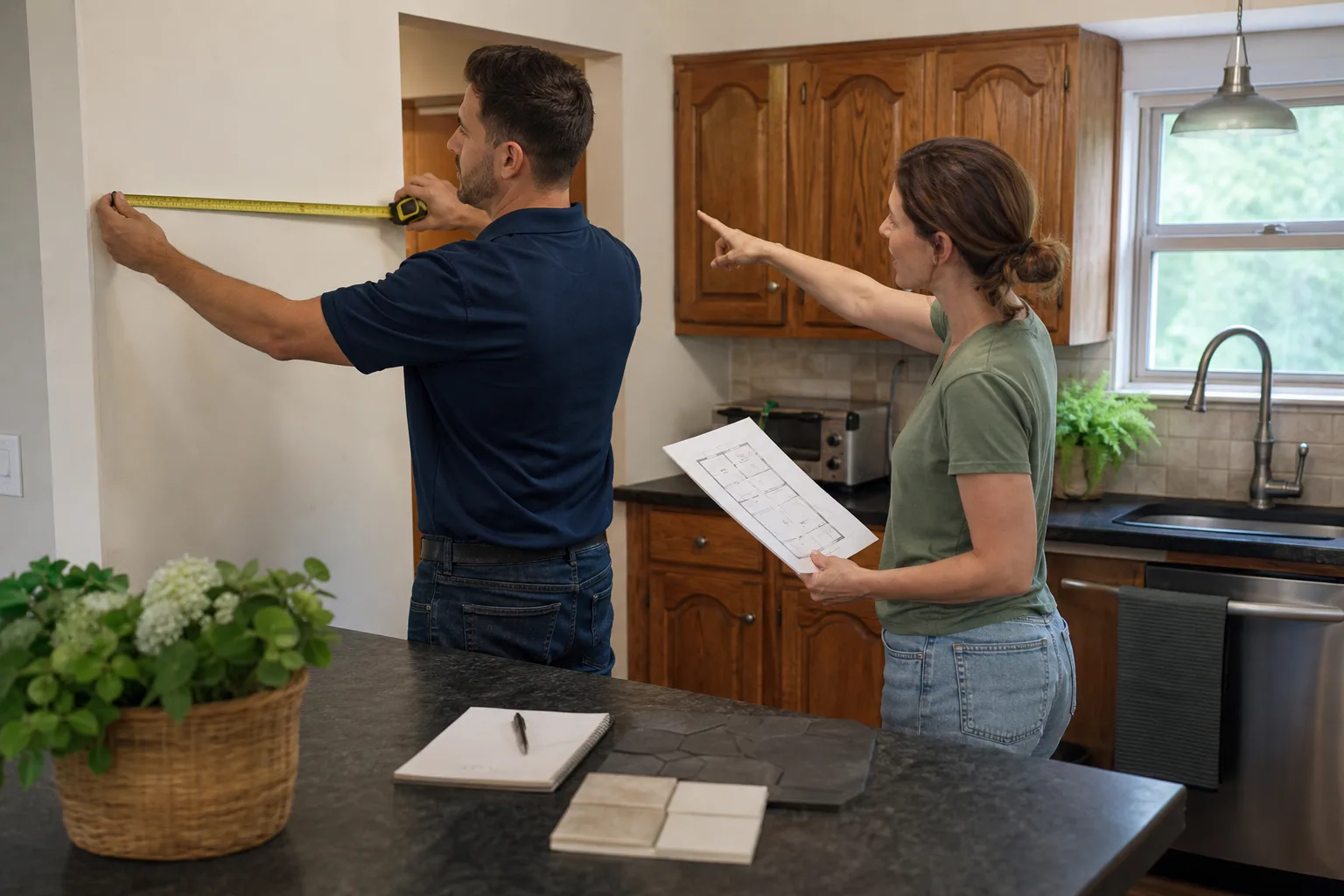
Free written scope consultation - allowances, timeline, and change-order rules on paper before a single trade is scheduled
Quikrete Home Additions & ADU: The Boulder City Owner’s Guide
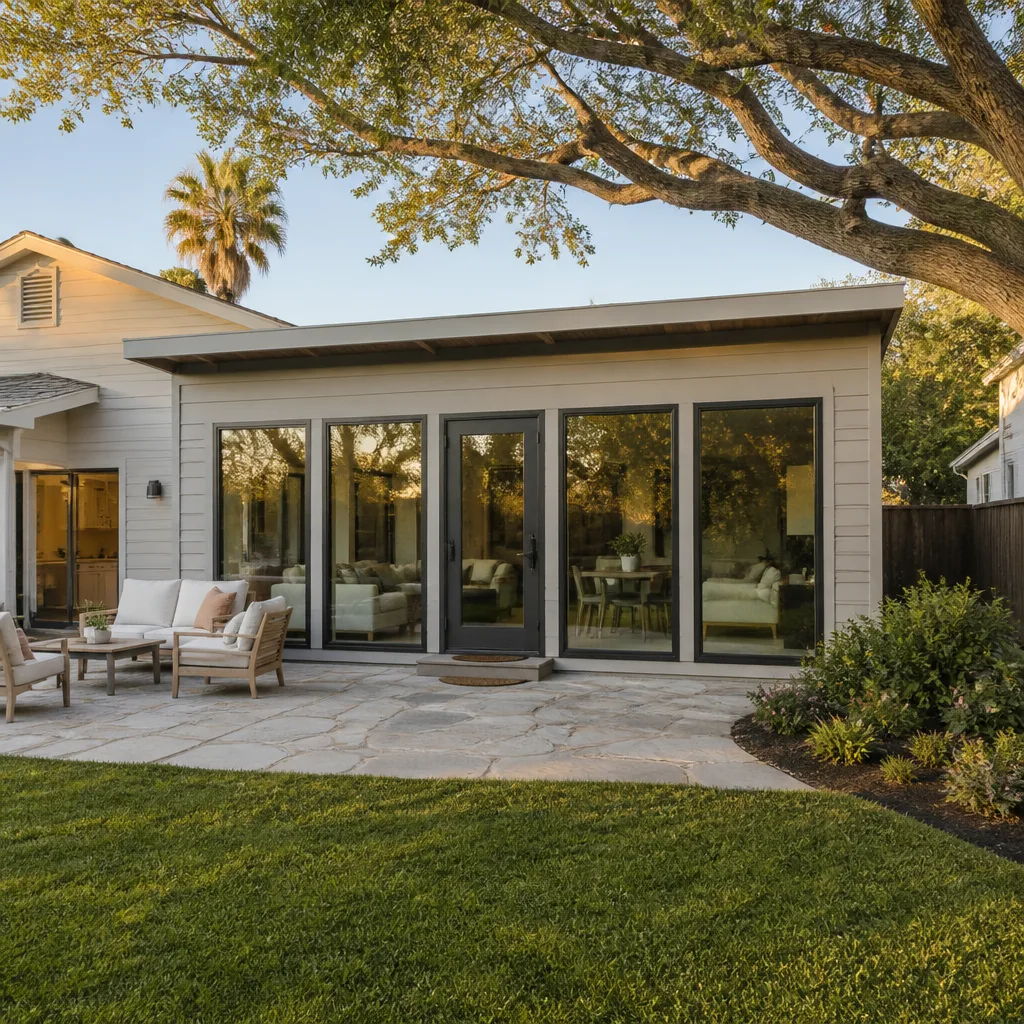
We build home additions and ADUs in Boulder City in the $45,000 – $130,000 range for additions, and $90,000 – $220,000 for a full ADU. The range moves with square footage, foundation design, and how much utility work the lot requires. We install Quikrete concrete and masonry products to the manufacturer’s specifications, and we’re clear on one thing: we’re an independent contractor, not affiliated with Quikrete.
Owners in Boulder City usually come to this page after a repair, not before a build. A patio slab goes chalky. An old stoop spalls at the edge. A stem wall starts to crack where a previous patch used the wrong mix. That’s when the question shifts from “what should I build” to “which Quikrete product matches the job, and what does it actually cost to finish it right?” This guide answers that question.
Which Quikrete Models This Applies To
Quikrete is a brand of bagged concrete and masonry products, not a machine with a model plate and a serial number. “Which product?” is the real matching question, and the answer depends on the application and the mix. Here’s how the match usually runs:
- Concrete mix (the 4000 PSI class bag) – used for structural slabs, footings, and stem walls. Footings for an addition or ADU need structural performance, and this is the category that applies.
- High-strength concrete mix – specified where the engineer’s drawings call for higher compressive strength or where a slab carries heavier loads.
- Sand mix and mortar mix – bedding, repointing, and finish work, not structural pours.
- Fast-setting patching products – repair only. They are not a substitute for structural concrete, and a patio repair is not a footing.
Read the bag label for the yield (cubic feet per bag), the compressive strength, and the cure time. Match those numbers to the drawings, not to the shelf. For an addition or an ADU in Boulder City, the structural mix is specified by the engineer and the local permit set. That’s a different standard than the mix used for a cosmetic patch. When the specification is in writing, the product choice stops being a guess.
Styles & brands we work with
- Kitchen remodeling
- Bathroom remodeling
- Home additions & ADU
- Roofing
- Windows & doors
- Driveway & pavers
- Fence
Signs Your Quikrete Home Additions & ADU Is Failing
A finished addition or ADU sitting on Quikrete concrete shows five problems before it fails outright. Each one points to a specific cause worth diagnosing early.
- Chalky, sandy surface on the slab. The pour was finished wet or worked too long at the surface, and the top layer is weak. Cosmetic at first, but it points to a thin, weak surface that can pit over time.
- Hairline cracks spreading from the corners. Missing or thin control joints. Cracks that widen or step vertically are not cosmetic, and an engineer needs to look at them.
- Spalling at the edge of a stoop or stem wall. Often the result of a patch that used the wrong product, or a bag mixed with too much water. We see this on Boulder City additions built in the last 15 years.
- Foundation stain or efflorescence. White powder at the base of the wall means moisture is moving through the concrete. That’s a drainage or grade issue, not just a mix issue.
- Framing that sits uneven or creaks at the floor line. Under-thickness or under-strength concrete at the footing or slab. This is the one that matters most, because it affects the structure above it.
Boulder City sits at higher elevation, and the dry heat and big temperature swings between day and night stress concrete. A mix that holds fine at a lower elevation and a steadier climate can cure too fast and crack in a Boulder City summer. Curing time and water control matter more here than most product labels suggest.
See the difference
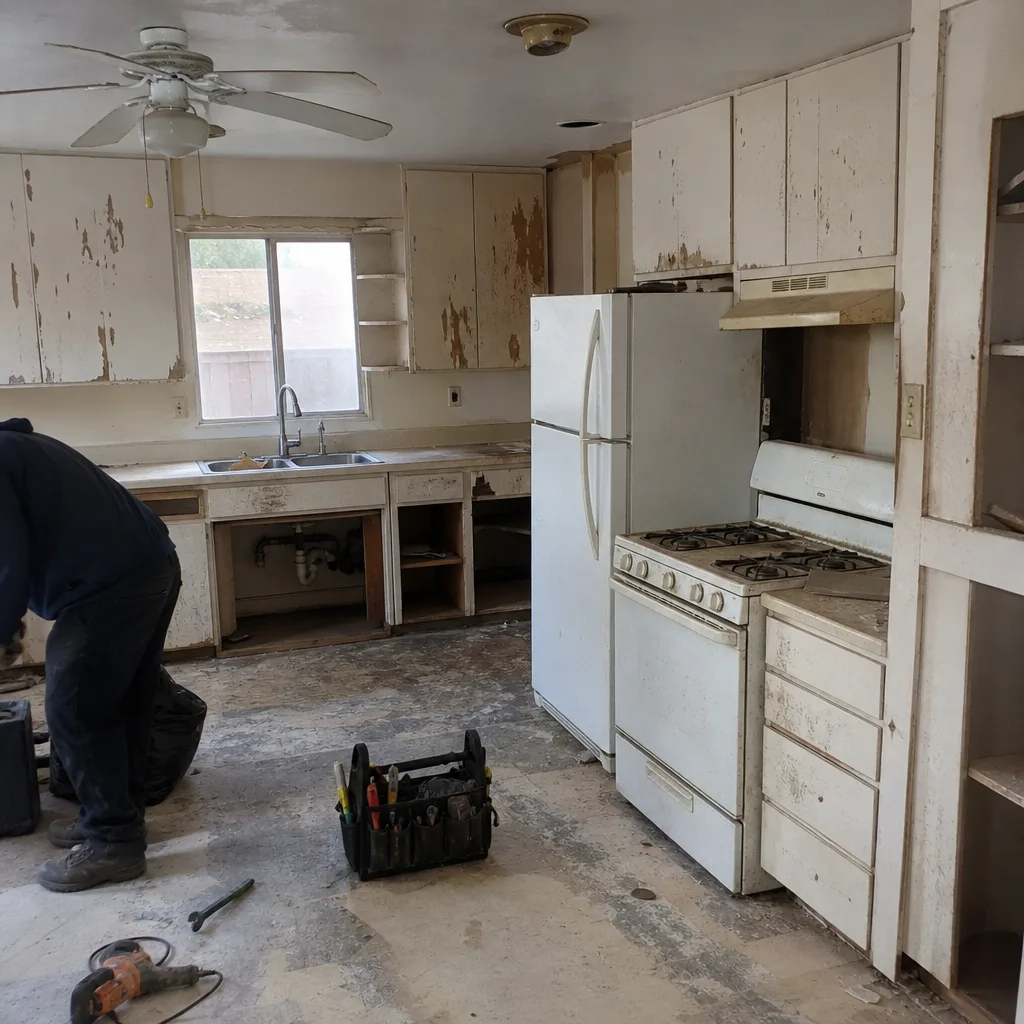 Before
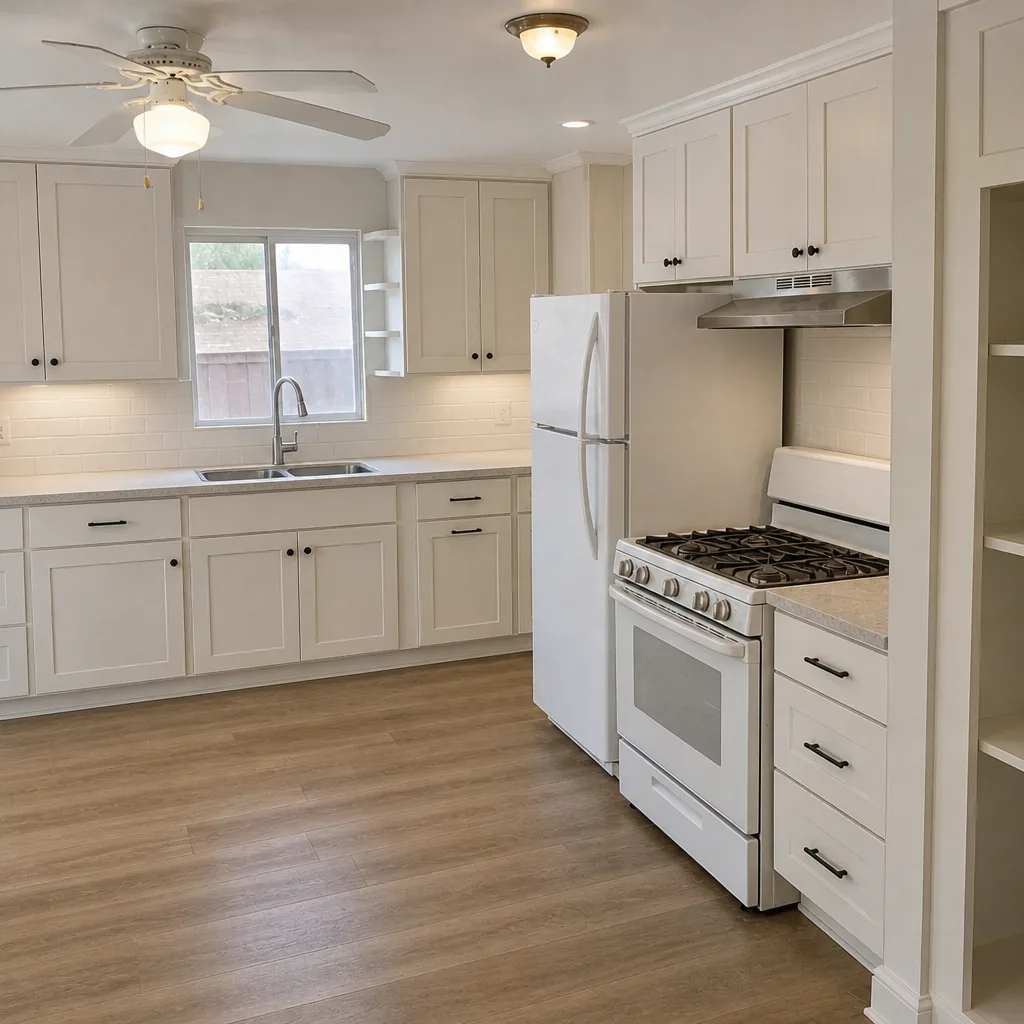 After
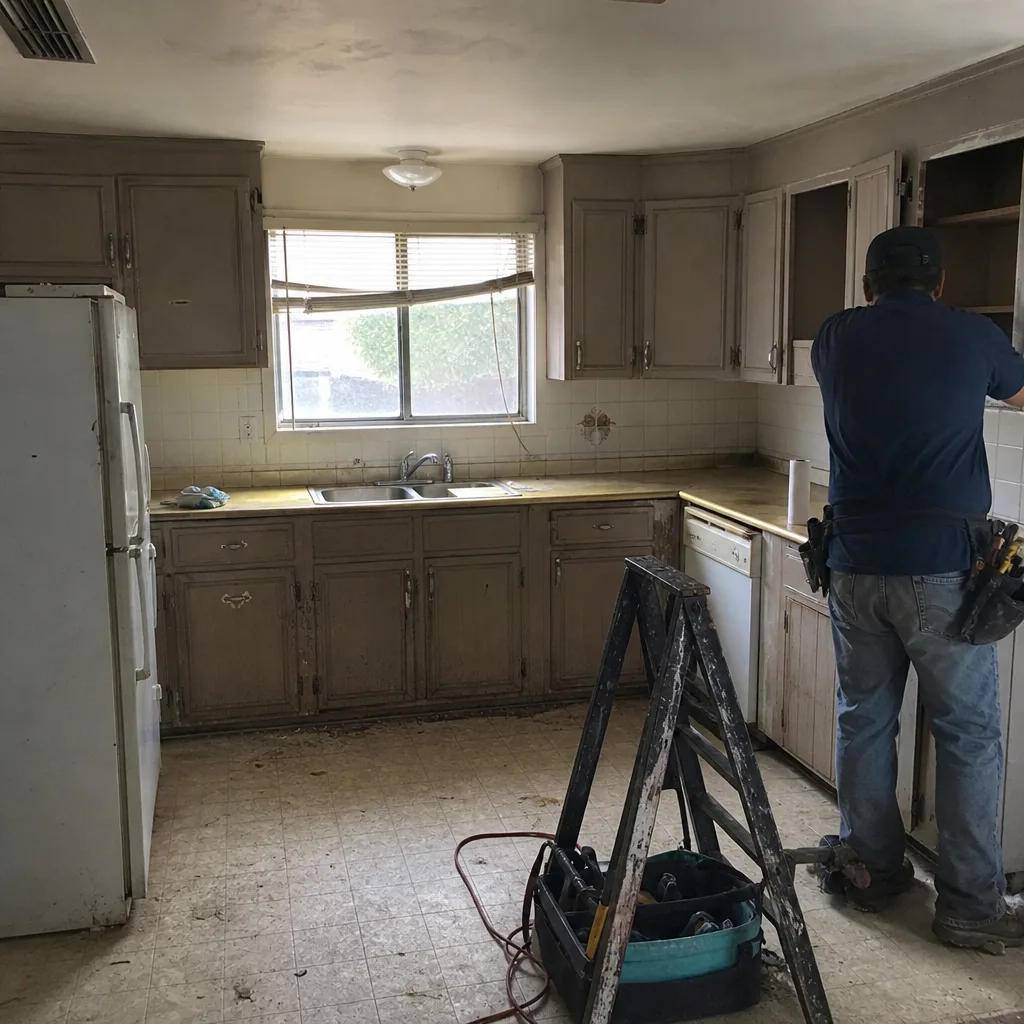 Before
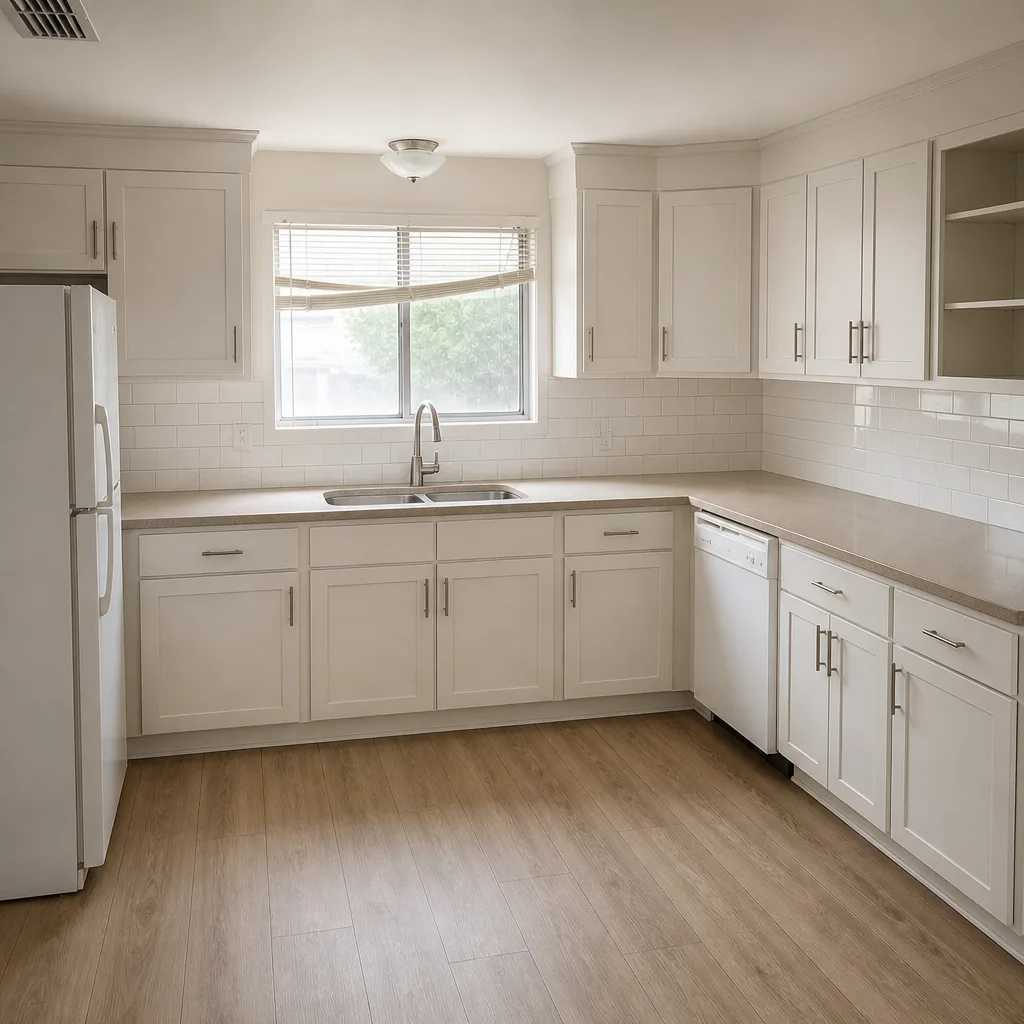 After
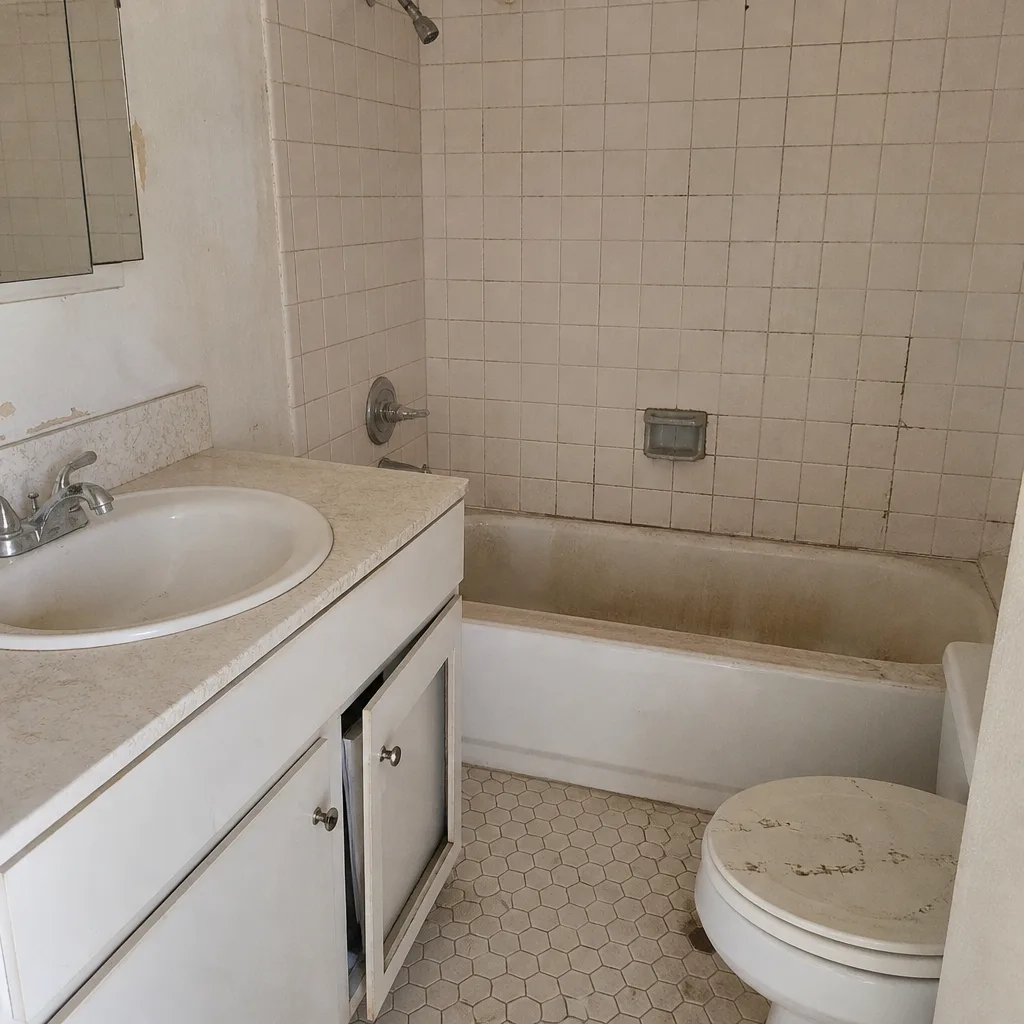 Before
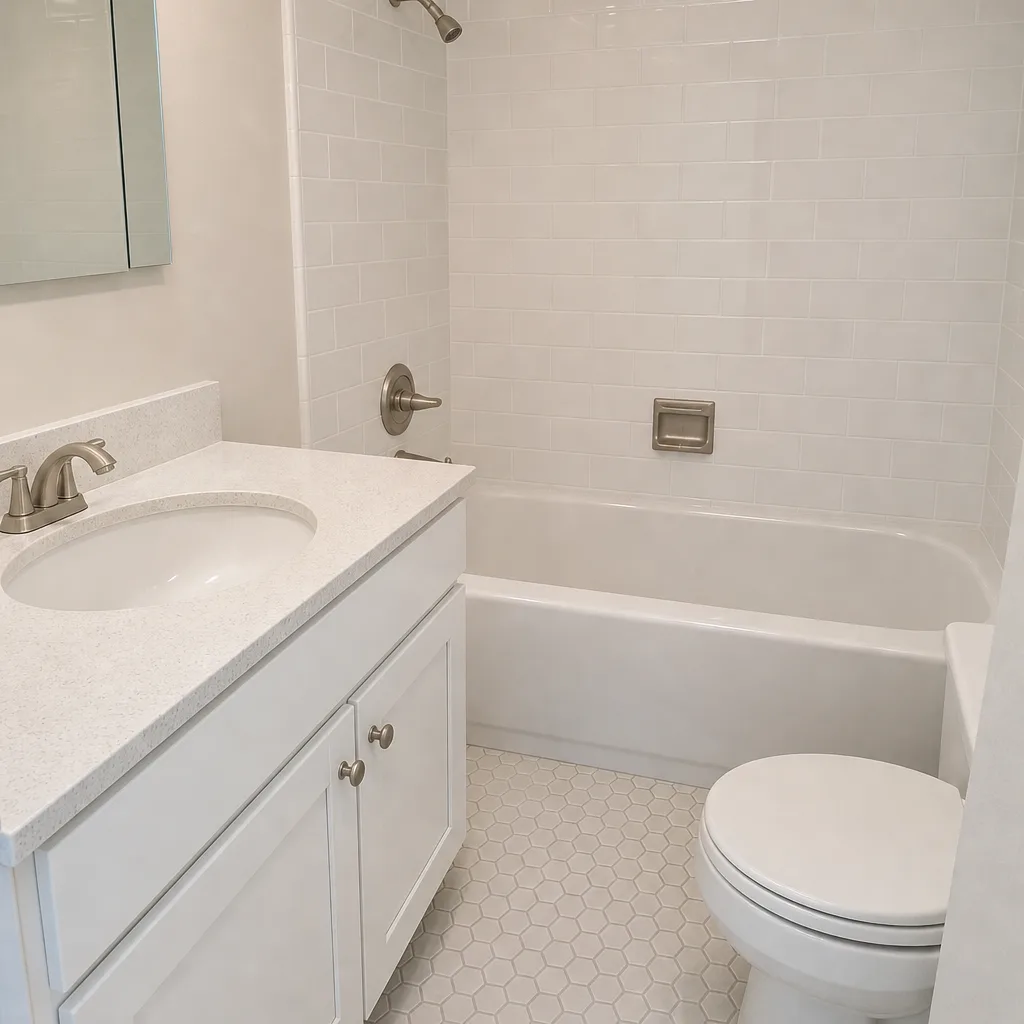 After
Replacement Cost & What’s Included
For this page’s scope, here are the Boulder City installed price ranges we quote:
| Project | Boulder City Installed Range |
|---|---|
| Home Addition (Quikrete-compatible) | $45,000 – $130,000 |
| ADU Construction | $90,000 – $220,000 |
| Garage Conversion (if you’re reshaping an existing structure first) | $30,000 – $80,000 |
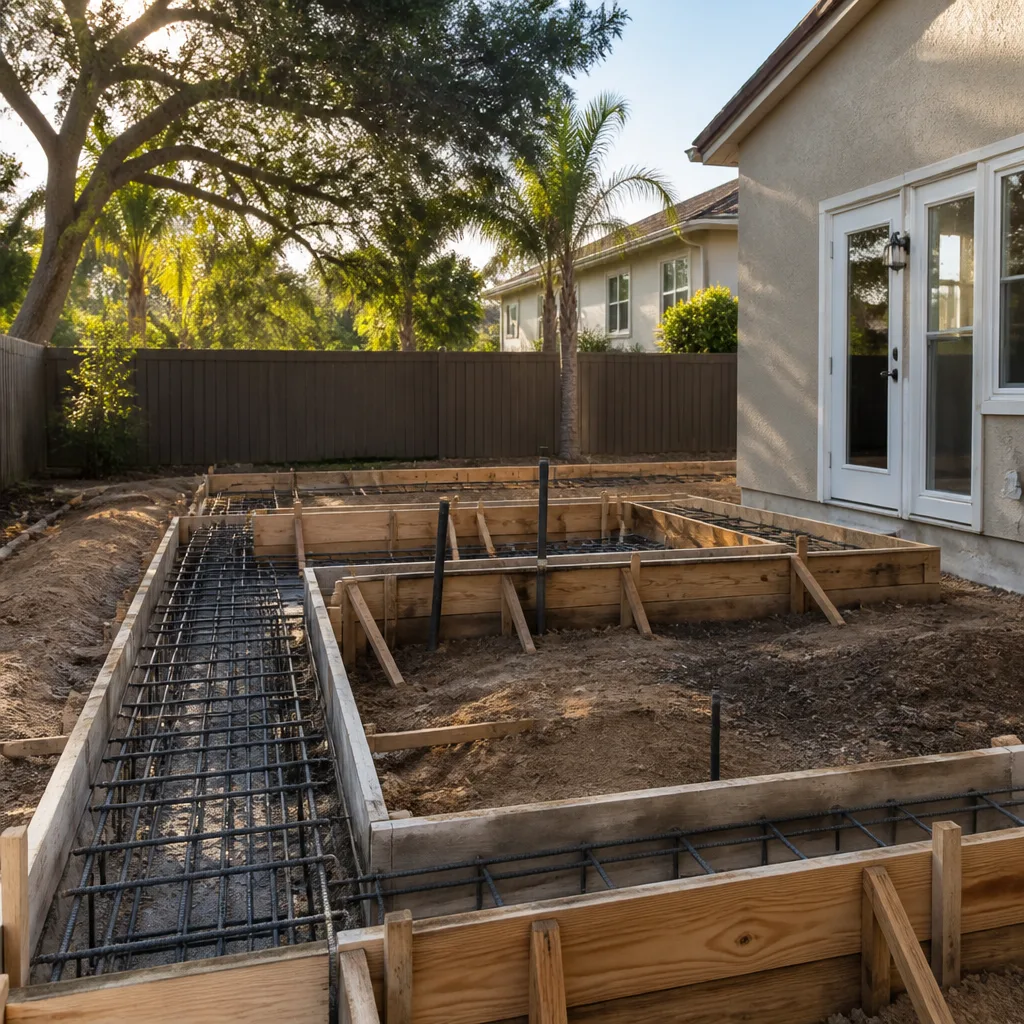
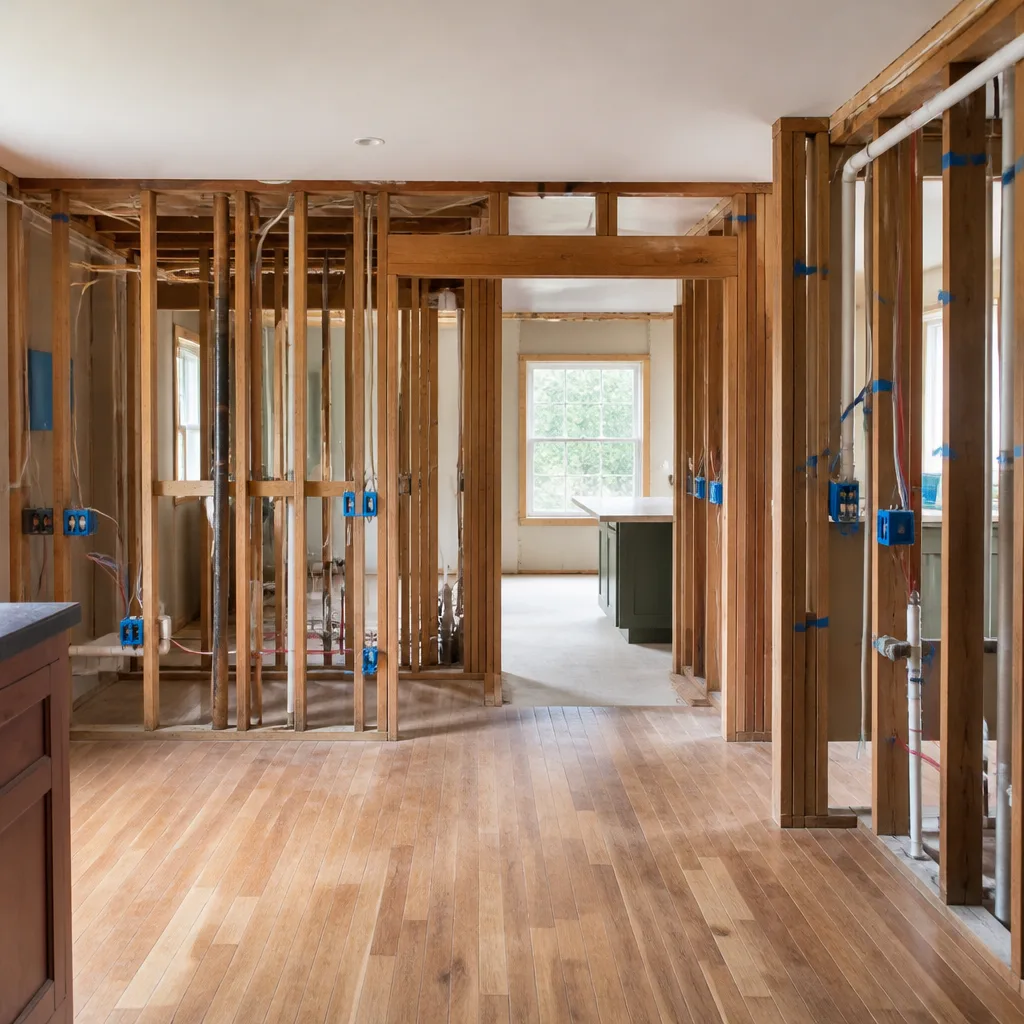
The range on an addition is driven by square footage, foundation complexity, and utility work: the rough-in for plumbing and electrical, and the site prep. A flat lot with straightforward access sits near the bottom. A sloping lot or an addition that moves a load-bearing wall sits toward the top. We give you a written price before any work starts, line by line: the foundation work, the concrete specification, the framing, the finishes. Then we break the price into parts and labor, so you can see what the materials actually cost. The 365-Day Done Right Promise covers the whole job for a full year. If the work doesn’t hold, we come back and correct it at no charge.
DIY or Call Us?
You can check a crack. Measure its width, watch whether it widens over a few months, and confirm the grade around the foundation drains away from the house. That’s useful, and you can do it safely. The rest is where people get into trouble. Pouring a structural footing or a slab for a load-bearing addition requires a mix spec, a soil check, and inspections. Under-mixing or adding too much water to a bag, which is what most homeowners do, weakens the concrete, and you won’t see the failure for months, when the frame starts to show it. On a Boulder City addition, that’s a repair that costs far more than doing it right the first time. We use background-checked, uniformed technicians, and a live person answers the phone 24/7. Call (844) 797-9259 for a free estimate.
FAQs
How long does the concrete in a Quikrete-built addition last in Boulder City?
A properly specified, properly cured structural concrete foundation typically holds up for the long life of the addition, in the range of 50 years or more, provided the mix strength matches the drawings and the grade moves water away from the wall. Our technicians have up to 22 years of experience, and our work is covered by the 365-Day Done Right Promise. Call (844) 797-9259 to talk through your specific site.
Can a failed slab or footing be repaired instead of replaced?
Sometimes. A stable hairline crack can be sealed, and cosmetic spalling can be patched with the right repair product. A footing or structural slab with wide or widening cracks, or a floor that has settled, usually needs an engineered repair, not a patch. We’ll tell you honestly which category your Boulder City addition falls into before any work starts. Call (844) 797-9259 for a free estimate.
How long does an addition or ADU build take?
A typical addition runs several months, and an ADU runs longer, because of the foundation, framing, and inspections the job requires. The timeline depends on square footage, the engineering review the city requires, and the material lead times. We put the schedule in writing with your written price, so the dates aren’t moving targets. Call (844) 797-9259 to schedule a walkthrough.
How do you source the Quikrete product, and is it the same spec you specify?
We source the concrete and masonry products to match the specified mix, the one written on your drawings, and we don’t substitute a different bag without telling you. We don’t carry stock in a warehouse or on a truck. We buy and deliver per job, and we match the label and the spec sheet to the plan. We also install KraftMaid, Cambria, and Silestone finishes once the structure is up. Call (844) 797-9259 for a free estimate.
Written by the team at Bradford Remodeling Boulder City, serving Boulder City and nearby areas.