Free written scope consultation - allowances, timeline, and change-order rules on paper before a single trade is scheduled
Styles & brands we work with
- Kitchen remodeling
- Bathroom remodeling
- Home additions & ADU
- Roofing
- Windows & doors
- Driveway & pavers
- Fence
See the difference
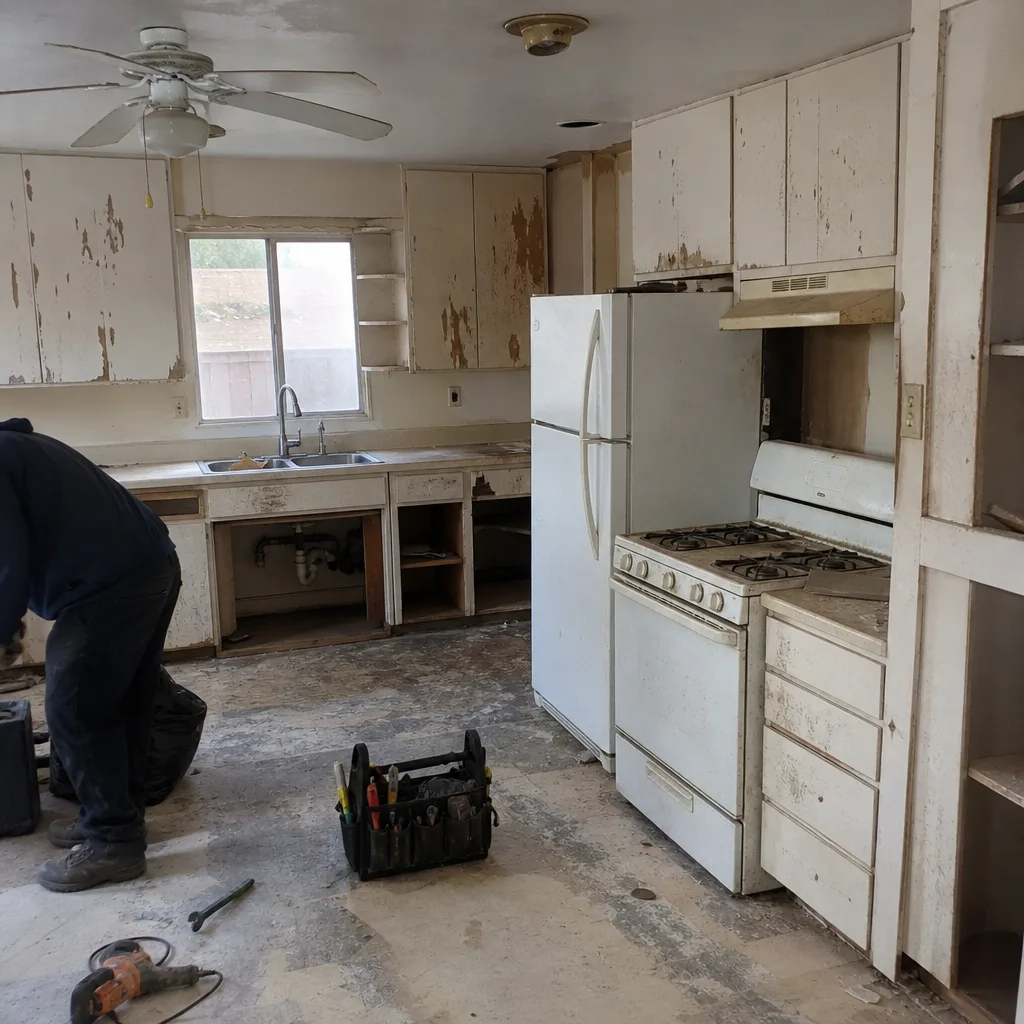 Before
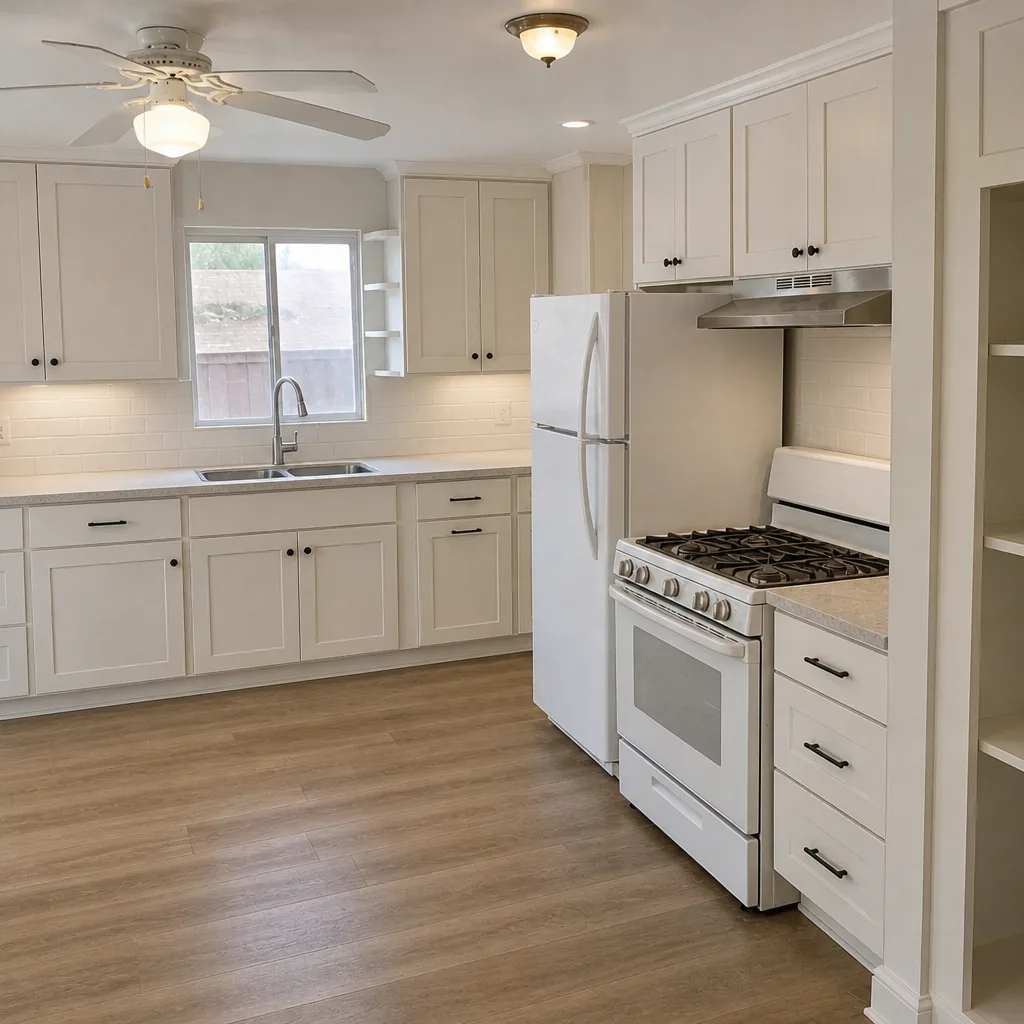 After
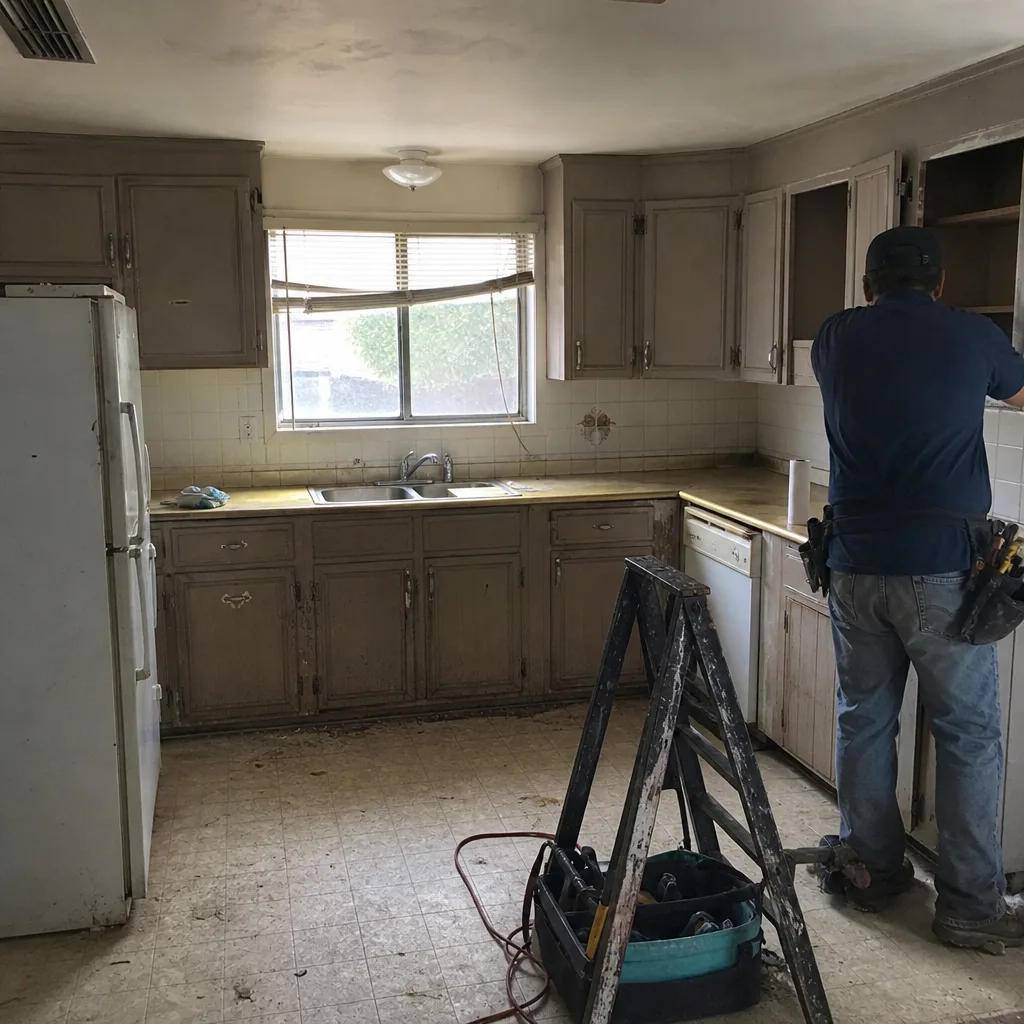 Before
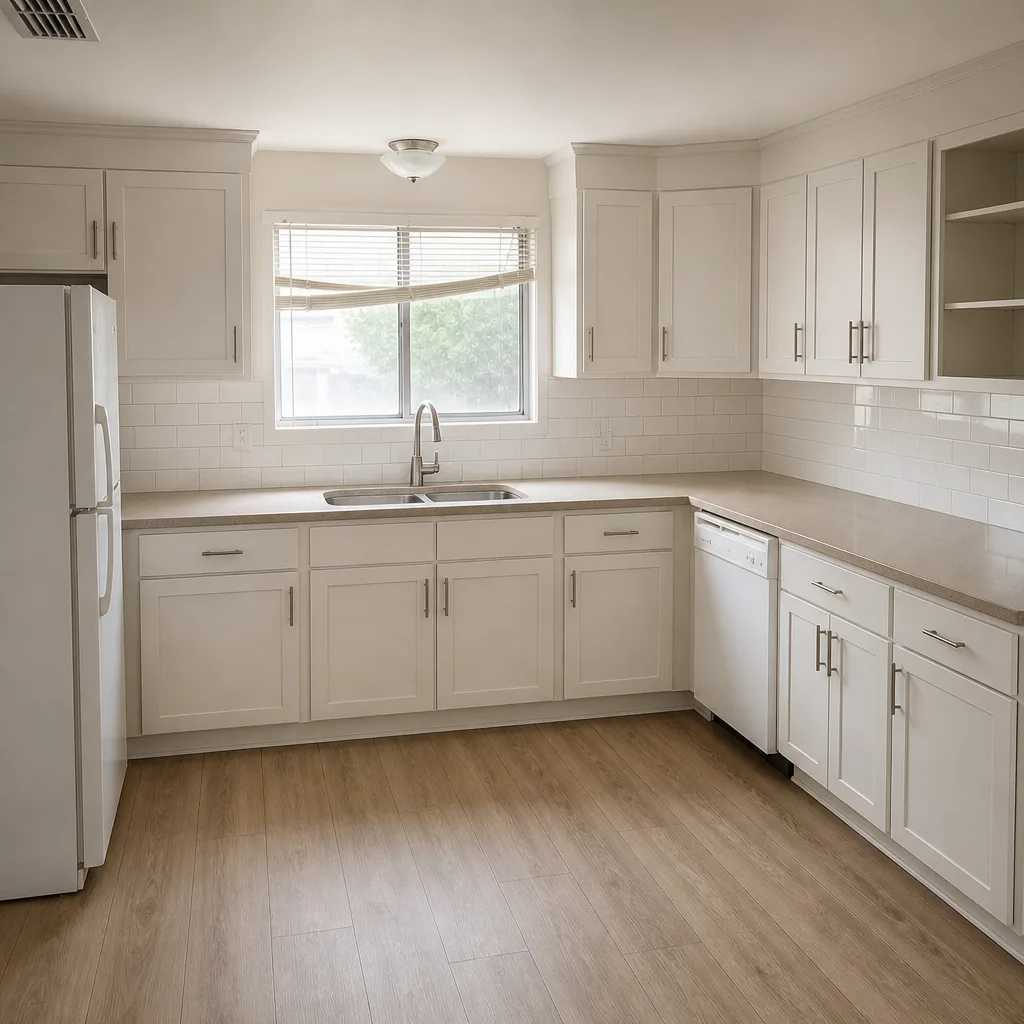 After
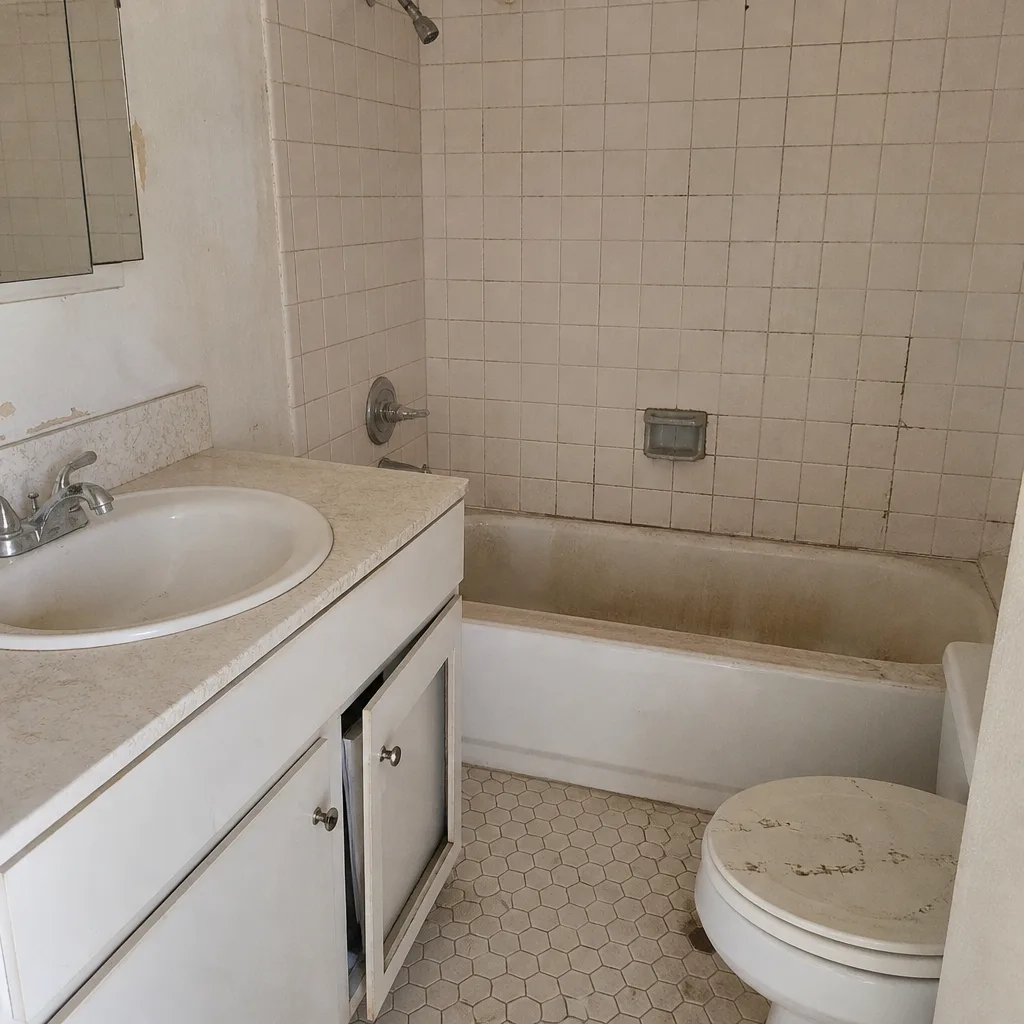 Before
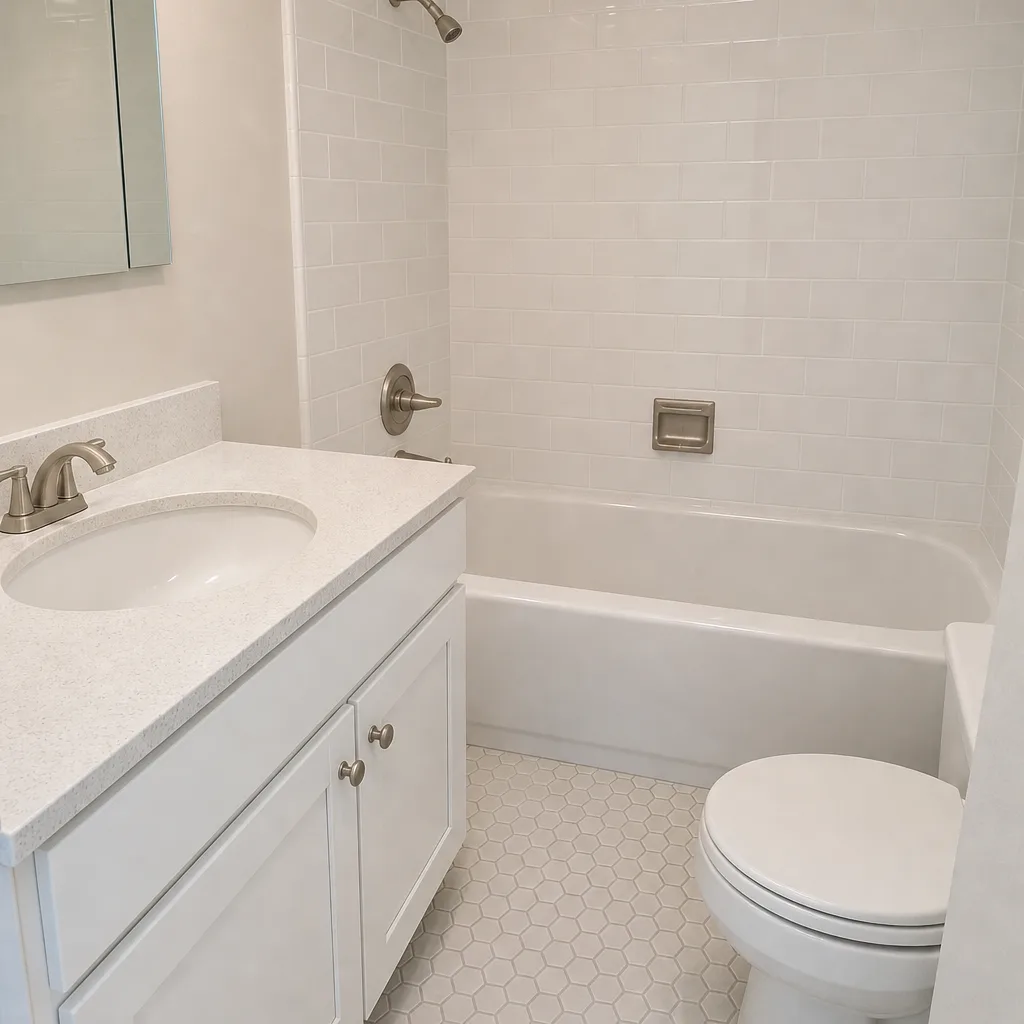 After
Home Addition vs ADU in Boulder City, NV: Which One Actually Gets Built?
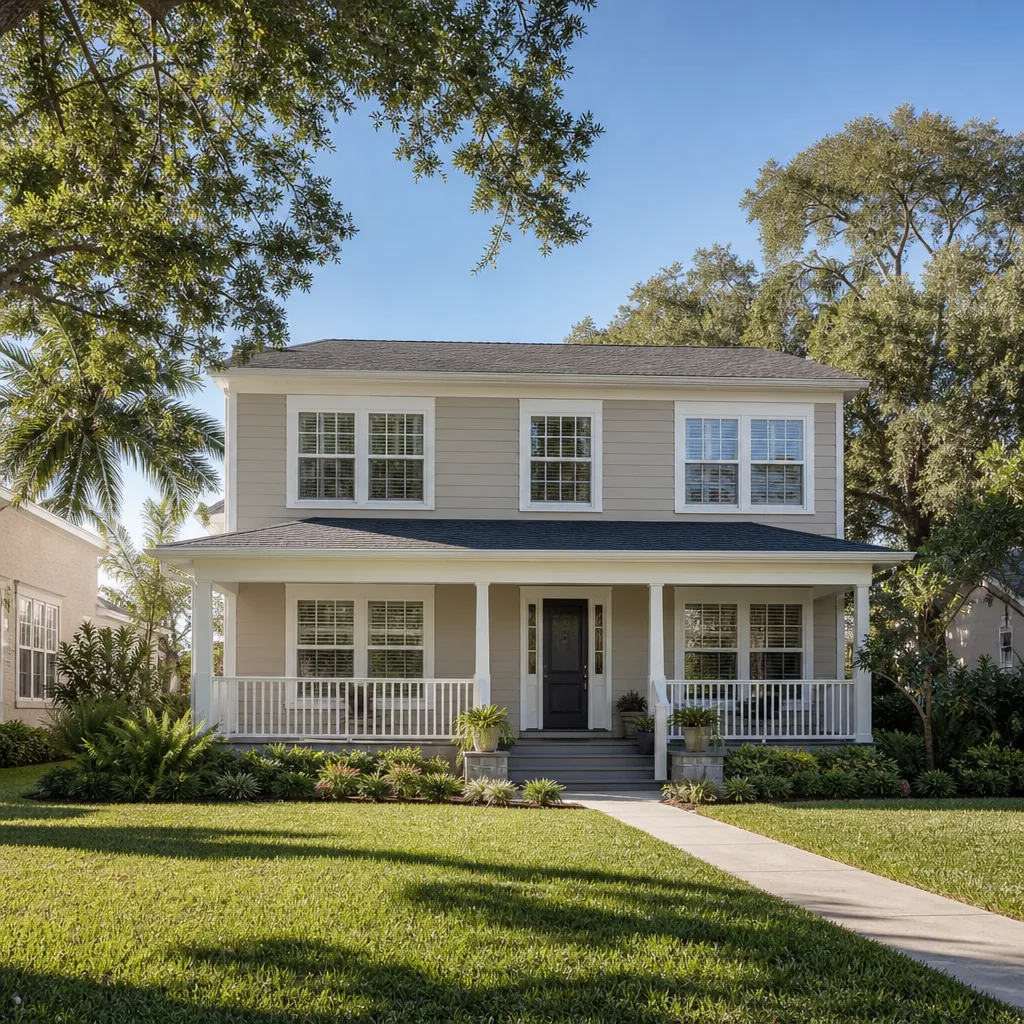
Choose a home addition unless you need rental income or a separate household on the same lot. In Boulder City, that standard rule comes with a twist most comparison articles miss: if your parcel sits in the historic townsite district, an addition that changes your roofline or footprint can trigger the same Design Review Board process as a new detached unit, so the usual “additions are simpler to permit” advantage dissolves. Bradford Remodeling Boulder City walks homeowners through a written side-by-side comparison of both paths before design ever starts. Call (844) 797-9259 for a free estimate.
Key Takeaways
- A home addition in Boulder City runs roughly $45,000-$130,000; a detached ADU runs $90,000-$220,000.
- In the historic district, exterior alterations to a primary home can require Design Review Board approval just like a new structure.
- On the city’s small infill lots, both options draw from the same lot-coverage pool, and one may simply not fit.
- Boulder City’s rental market favors long-term tenants over short-term stays, which changes ADU payback math.
The standard comparison, and where Boulder City breaks it
Most guides frame the choice around four points: financing, permitting, resale value, and rental income. That framing is useful as far as it goes, so here’s the honest version before we get to the local exception.
- Cost. An addition typically costs less per square foot because it shares your existing foundation, utilities, and mechanical systems. A detached ADU carries its own foundation, roof, and service connections, which is why the price range runs roughly double.
- Financing. Additions are commonly financed through a home equity line or a construction loan folded into a first mortgage refinance. Detached ADUs are harder to appraise because comparable sales are thin, and lenders lean on projected rental income as much as the structure value.
- Resale value. An addition that brings a two-bedroom home up to three bedrooms generally appeals to the broadest buyer pool. An ADU narrows that pool but can raise an appraisal when the market supports accessory income.
- Rental income. Only the ADU produces rent. The addition produces usable space.
The permitting column is where the consensus usually tips toward the addition. The thinking is that a project tied to an existing, permitted structure should move through plan review with fewer hurdles than a wholly new building. In most Southern Nevada jurisdictions that holds. In Boulder City, it depends entirely on your parcel.
Why an addition isn’t automatically the faster permit in Boulder City
Boulder City was built in the 1930s as a federal company town for Hoover Dam, and the historic townsite retains its Depression-era adobe and masonry housing stock. That heritage is protected. Any exterior work on a primary structure inside the historic district that changes massing, roofline, or materials is reviewable by the Design Review Board. A second-story addition on an original dam-worker home falls squarely into that category.
Practically, that means a plan for a 400-square-foot second-story bump-out may go through the same design scrutiny as a proposed detached unit in the backyard. The addition still needs its design reviewed before a building permit is issued. The ADU needs design review too, but it doesn’t alter the profile of a historic primary home, which is often the harder argument to win.
So the real question isn’t “which is easier to permit?” It’s “what does my parcel and my building’s historic status actually allow?” That’s a question you answer before you draw anything, not after. Bradford Remodeling Boulder City puts both paths in writing with real numbers for each, so you’re comparing actual costs and timelines instead of assumptions.
Lot coverage: the fit question nobody budgets for
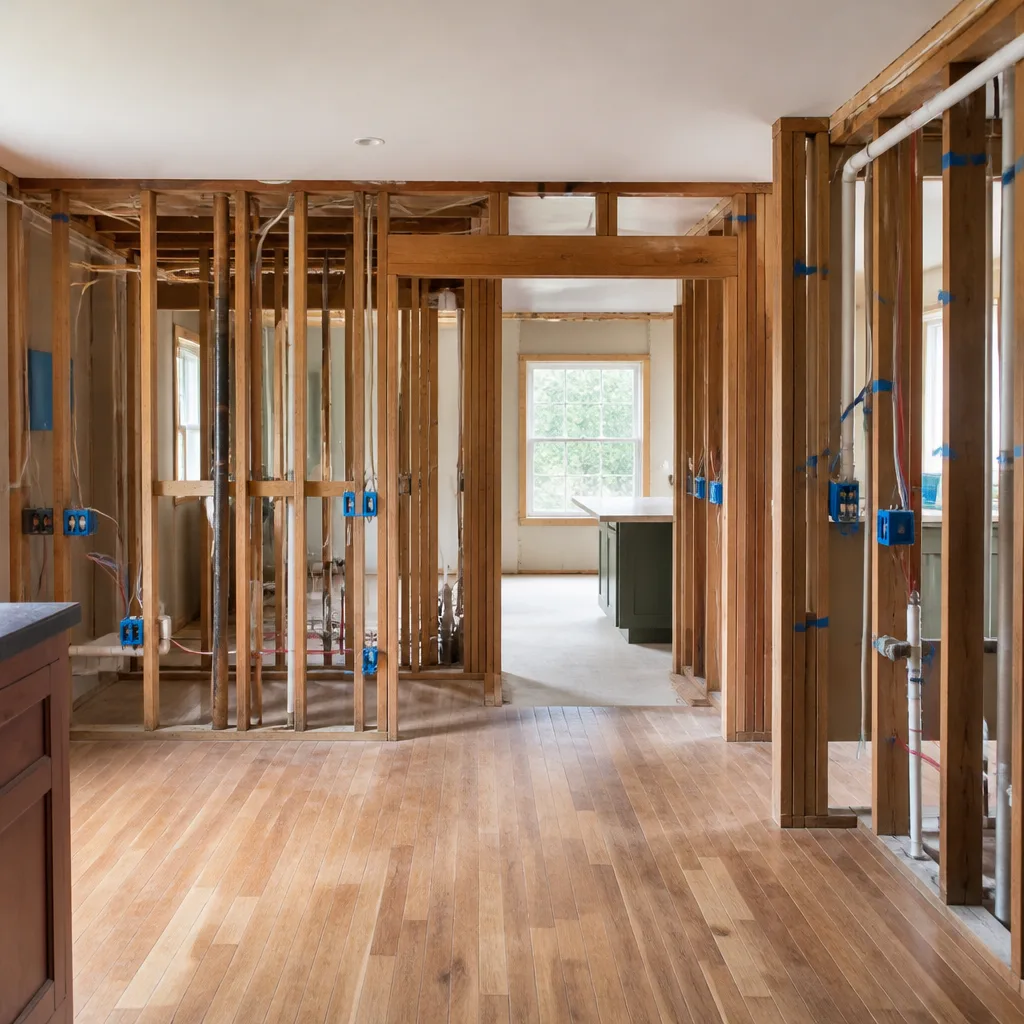
Boulder City sits as an island of low-density development surrounded by federal land, which means most new construction happens on infill lots. Many of the original parcels are small. An addition and a detached ADU both consume covered square footage from the same lot-coverage allowance, and on a tight infill parcel there may not be room for a separate structure at all.
Here’s the trade-off in plain terms:
| Factor | Home Addition | Detached ADU |
|---|---|---|
| Typical cost in Boulder City | $45,000-$130,000 | $90,000-$220,000 |
| Permitting in historic district | Design review if roofline or massing changes | Design review as a new structure |
| Lot coverage impact | Shares the same coverage pool | Shares the same coverage pool |
| Rental income | None | Yes, if permitted for occupancy |
| Resale reach | Broad (more bedrooms) | Narrower (income-property buyers) |
| Best fit | Growing household, aging parent suite, home office | Long-term rental income or separate household |
On a lot that’s already close to the coverage ceiling, the addition is usually the workable option. On a parcel with room to spare, the ADU earns its keep over time. The plan review and lot-coverage math decide it before the design does.
Does the rental income actually pay back in Boulder City?
Sometimes, but not the way it does in Las Vegas proper. Boulder City’s no-gaming charter and low-density character keep it quiet, residential, and stable. That makes for a strong long-term rental market: proximity to Lake Mead and Hoover Dam tourism brings workers and seasonal residents who need housing for months, not weekends. What it does not produce is the short-term Airbnb demand that Las Vegas supports.
If you’re modeling an ADU as a short-term rental, those numbers are thinner here than a national calculator will suggest. If you’re modeling a year-round tenant, the picture is steadier. An honest pro forma built on Boulder City conditions matters more than a national ROI estimate, and it’s the first thing to run before you commit to the ADU path.
What our written scope comparison covers
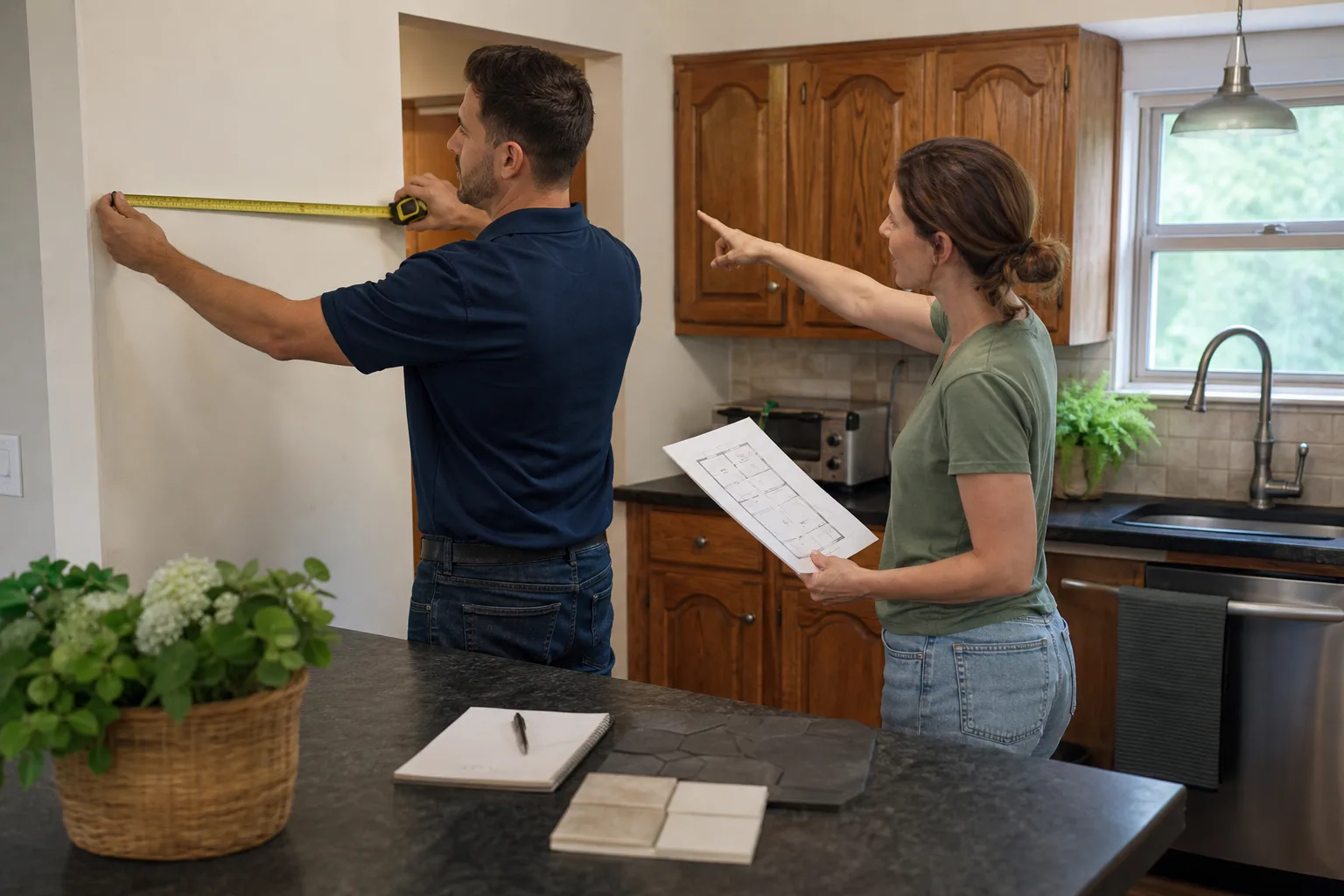
Bradford Remodeling Boulder City doesn’t ask you to guess which path fits. Before any design commitment, you get a written comparison of the addition and the ADU with real numbers for both forks: hard costs, likely permit and design review steps, and a timeline you can plan around. That written price is the same commitment that runs through every project we touch. It’s part of the way we work as a member of the Garrison Partners family established in 2004, held to The Garrison Standard: a written price before any work starts, a documented scope, and the 365-Day Done Right Promise on every completed project. If the work fails within that full year, we come back and correct it at no charge.
Our technicians have up to 22 years of experience, are background-checked, and arrive uniformed, so you know who’s working in your home before the crew shows up. We build with a documented roster of name-brand materials, including Therma-Tru doors and Barrette exterior products, where the project calls for them. Live person answers the phone, 24/7.
Because the historic area’s adobe and masonry construction demands period-appropriate materials and methods, the scope comparison also flags which finishes need to match the original fabric and which don’t. That’s the sort of detail design review cares about, and it’s the sort of detail that protects a Depression-era home instead of fighting it.
If your parcel is in the historic townsite, start by confirming design review applies. If it’s outside the district, start with the lot-coverage math. Either way, you’ll want the numbers in writing before design. See our Boulder City service area page for how projects in this city are scoped.
FAQs
A home addition is cheaper in Boulder City: roughly $45,000-$130,000 versus $90,000-$220,000 for a detached ADU. The gap comes from the ADU carrying its own foundation, roof, and utility connections. Call (844) 797-9259 for an exact written comparison for your lot; estimates are free.
Often yes, if the addition changes your home’s massing, roofline, or exterior materials. The historic townsite covers the 1930s adobe and masonry homes built for dam workers, and exterior alterations there are reviewable. Confirm with the city before design and call (844) 797-9259 to talk through what’s likely to come up.
Only if your lot has coverage and setback room to spare, because an ADU and an addition draw from the same lot-coverage allowance. Many original parcels are already near the ceiling, which is why an addition sometimes fits where a detached unit won’t. A lot check comes first; call (844) 797-9259 to get yours looked at.
Less reliably than in Las Vegas. Boulder City’s no-gaming, low-density character supports long-term tenants, including workers tied to Lake Mead and Hoover Dam, but not the short-term rental demand Las Vegas sees. Model year-round rent, not nightly rates. Call (844) 797-9259 for a written scope comparison before you commit.
If you’d rather have it looked at, Bradford Remodeling Boulder City offers a no-pressure assessment in Boulder City. We’ll put the addition and ADU numbers side by side in writing so you can decide on facts, not assumptions. Call (844) 797-9259 for a free estimate.
Written by the team at Bradford Remodeling Boulder City, serving Boulder City, NV.