Last updated November 17, 2026






Free written scope consultation - allowances, timeline, and change-order rules on paper before a single trade is scheduled
DIY vs Professional Construction: The Boulder City Homeowner’s Decision Guide
In a city where the building department inspector has probably driven past your house, and your real estate agent knows your contractor’s reputation personally, the consequences of unpermitted DIY work are more traceable and more immediate than they are in a metro area. Boulder City is small enough that a title search, a disclosure form, and a single phone call can surface a project you did yourself five years ago. This guide walks through what Nevada’s owner-builder rules actually allow, where the insurance exposure hides, how unpermitted work affects resale, and which jobs genuinely belong in your hands.
Quick Answer
Most Boulder City homeowners can legally and safely handle cosmetic work – paint, flooring, cabinet swaps – without a permit or a license. Anything that touches structural framing, electrical rough-in, gas lines, plumbing relocation, or requires a building permit is where DIY stops protecting your asset, even if you have the skill. The decision isn’t about whether you can physically do the work. It’s about whether you can legally do it, insure it, and sell the house later without a problem showing up on a title search.
Styles & brands we work with
- Kitchen remodeling
- Bathroom remodeling
- Home additions & ADU
- Roofing
- Windows & doors
- Driveway & pavers
- Fence
Table of Contents
- What Nevada’s Owner-Builder Permit Exemption Really Allows
- The Insurance Exposure Hiding in DIY Permitted Work
- Project-by-Project: What’s DIY-Appropriate in Boulder City
- The Resale Math: What Buyers’ Agents Flag
- Skill-Independent Reasons to Hire
- How to Structure a Legal Hybrid Approach
- Common Mistakes to Avoid
- Frequently Asked Questions
What Nevada’s Owner-Builder Permit Exemption Really Allows
Nevada lets a homeowner pull permits as an “owner-builder” on a property they own and intend to live in, or sell. That exemption exists for genuine owner-occupants doing their own work. It is not a license, and it doesn’t transfer to a property the way a licensed contractor’s work does. The critical limits are what people miss.
The exemption allows you to act as your own general contractor and pull permits for work on your primary residence. It does not let you perform electrical, plumbing, or mechanical rough work you aren’t licensed for in many jurisdictions – the permit may be issued, but the inspection is where it fails. It also doesn’t insulate you from liability if a helper you hired on the side gets hurt on your property. Workers’ compensation coverage follows the employer, and if you’re the employer, you need it.
What the exemption creates for a Boulder City homeowner is a paper trail that says “owner performed the work.” That paper trail is exactly what a buyer’s agent reads during due diligence. In a city this size, that’s a small circle of people who know each other. Our general contractor team in Boulder City sees those records get pulled routinely when a sale gets serious.
- What owner-builder allows: pulling permits on your own primary residence, acting as your own GC, doing work you’re competent and licensed to do.
- What it doesn’t allow: performing licensed electrical, plumbing, or mechanical work you’re not licensed for, or using the exemption to build for resale as a business.
- The exposure it creates: a documented record that the work was self-performed, which follows the property into every future transaction.
The Insurance Exposure Hiding in DIY Permitted Work
Here’s the part most homeowners never hear: a permit on file does not equal insurance coverage. If you pull an owner-builder permit and do the work yourself, most homeowner’s policies will cover the resulting structure on the same terms as before – but if the work was performed by an unlicensed party (including you), a claim arising from that work can be denied or reduced. The insurer’s position is straightforward: the policy covers a home built to code by qualified trades, not a home modified outside that standard.
Boulder City’s building stock makes this sharper than in most places. A large share of the city’s homes are mid-century or older, which means the substrate and framing behind the drywall isn’t always what a modern code assumes. A DIY bathroom tile job over a 1960s mortar bed is a different animal than the same job in a 2015 build. The failure isn’t instant – it shows as a slow leak into a subfloor, a soft spot under a shower pan, mold behind the wall. Our bathroom remodeling work in Boulder City regularly starts with fixing what a previous owner’s weekend project left behind.
The E-E-A-T concern here isn’t whether a homeowner is careful. It’s whether the paper trail matches the risk. A licensed contractor’s work carries the contractor’s liability insurance and, in Bradford’s case, a written guarantee – which means if the work fails, someone other than your homeowner’s policy pays to fix it.
Project-by-Project: What’s DIY-Appropriate in Boulder City
The decision matrix below reflects what we’ve seen work and fail across Boulder City projects. It’s not a legal opinion – permit rules shift, and your specific property may have quirks. But it’s the practical line most homeowners end up drawing.
- Interior paint, trim, and drywall patching: Genuinely DIY. No permit, no licensed trade required. Boulder City’s dry climate means paint cures fast and drywall mudding is forgiving in low humidity.
- Flooring (LVP, tile, carpet): DIY-friendly in most cases. Tile over an existing slab is fine; tile over a failed substrate is not, and that’s where DIY jobs go wrong.
- Cabinet and fixture swaps (like-for-like): Swapping a faucet or a vanity in the same location is typically fine. Moving the supply or drain line is plumbing work and, in most cases, requires a permit and a licensed plumber.
- Electrical outlets and switches, like-for-like: Permitted in some jurisdictions for minor replacements; never DIY if you’re adding a circuit, moving a fixture, or touching the panel.
- Adding a circuit, new outlets, panel work: Licensed electrician, permit required. Not a borderline call.
- Water heater replacement: Permit required in most jurisdictions, and gas connections require a licensed plumber.
- Bathroom remodel with moved plumbing or new shower pan: Permit required, licensed plumber and tile setter. Waterproofing failures are expensive.
- Kitchen remodel with moved gas, electrical, or plumbing: Permit required across the board, multiple licensed trades. Our kitchen remodeling in Boulder City handles the permit pull and inspection scheduling as part of the scope.
- Structural work – beam replacement, wall removal, foundation repair: Licensed contractor and engineered plans. Not DIY, regardless of skill.
- Roof replacement, exterior siding, window and door replacement: Permit typically required; work at height multiplies the risk. GAF and James Hardie systems, when installed by a licensed contractor, carry manufacturer warranties that a self-install voids.
The Resale Math: What Buyers’ Agents Flag
Nevada’s seller disclosure law requires you to disclose known material defects and unpermitted work. That’s a plain-language obligation – if you know the work was done without a permit, and the buyer asks through the disclosure form, you have to say so. The costs of that disclosure vary wildly, and the range is worth understanding before you pick up a hammer.
- Disclosed, unpermitted cosmetic work: Often no impact, or a small negotiating chip. Repainting a bedroom without a permit is not a resale problem.
- Disclosed, unpermitted structural or MEP work (mechanical, electrical, plumbing): Frequently a 2 to 5 percent price reduction, or a buyer demand to remedy before close. On a $600,000 Boulder City home, that’s $12,000 to $30,000.
- Undisclosed, unpermitted work discovered on inspection: The most expensive outcome. The buyer’s agent flags it, the buyer’s lender may require correction, and you’re negotiating from a defensive position. In a small market, that flag follows the address.
- Unpermitted work that fails inspection and requires removal: The full cost of the work, plus the cost to redo it properly. Double the original number before you’re done.
Boulder City buyers’ agents are trained to read the permit history on the county assessor’s site and cross-reference it against the work visible on the walkthrough. New tile but no permit? New electrical panel but no inspection record? Those get flagged. In a metro, an agent might not notice. Here, agents know the houses.
Skill-Independent Reasons to Hire
Here’s the reframe that matters most. Some projects aren’t about whether you can do the work. They’re about whether the legal and insurance structure around the work protects your asset if something goes wrong.
Consider a homeowner who is genuinely capable – a retired tradesman, an engineer, someone who has done a dozen kitchens. The question isn’t whether they can execute a tile shower. It’s whether, six months after the job, if the shower pan fails and water reaches the subfloor, they have someone else to call. With a licensed contractor, they do. With their own labor, they don’t.
The other skill-independent reasons:
- Liability transfer. A licensed contractor carries general liability and workers’ comp. If a helper gets hurt, or a guest gets hurt on an active site, the contractor’s insurance absorbs it.
- Permit and inspection management. The contractor schedules the inspections, resolves the corrections, and signs off on the final. That’s paperwork most homeowners underestimate.
- Manufacturer warranty preservation. GAF shingles, James Hardie siding, Kohler fixtures – the manufacturer warranties on these products often require licensed installation to remain valid. Self-install voids them.
- Written guarantee coverage. Bradford’s 365-Day Done Right Promise means if the work fails within the first year, we come back and correct it at no charge. That’s a year of coverage a homeowner can’t give themselves.
Our technicians bring up to 22 years of experience to the work – and the point of that experience isn’t just execution speed. It’s knowing what’s behind the wall before it’s opened.
How to Structure a Legal Hybrid Approach
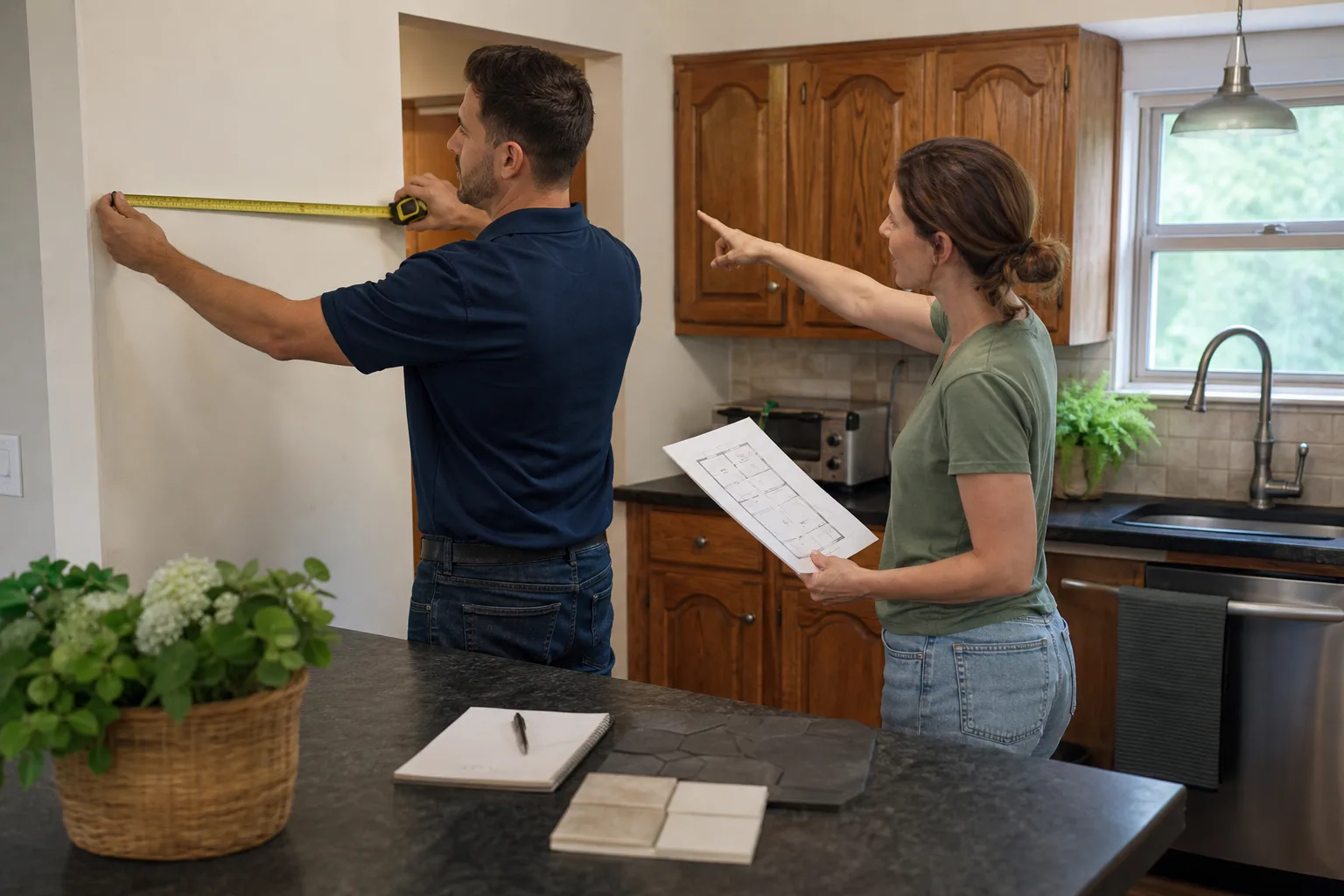
You don’t have to choose between fully DIY and handing the whole project to a contractor. A hybrid approach – homeowner handles demo and prep, licensed contractor handles permitted rough work and finish – is legal and genuinely reduces cost. The structure matters. Here’s how to set it up cleanly.
- Define the scope split in writing before anyone starts. Draw a clear line: homeowner does demo, haul-away, and prep; contractor does framing, rough electrical and plumbing, insulation, drywall, and finish. The line has to be in a written agreement, not a handshake.
- Confirm the contractor will pull the permits as contractor-of-record. This is the crucial step. If the contractor pulls the permit, the permit history shows licensed work for the permitted portion. The homeowner’s demo and cosmetic work doesn’t appear on the permit record.
- Coordinate the inspection schedule around the demo timeline. Rough inspection has to happen after demo and framing but before drywall – if the homeowner’s demo runs long, that’s a scheduling problem, not a permit problem, but it needs to be planned.
- Keep the homeowner’s work outside the permit scope. If the hybrid involves moving a wall, the homeowner doesn’t do the framing. If it involves a new circuit, the homeowner doesn’t run the wire.
- Document the division with photos. Photos of demo, pre-framing, and post-framing give the contractor a clean record of the sequence if anything comes up at final inspection or at resale.
The hybrid structure works well on kitchens and bath remodels, where the labor-heavy demo and haul-away is a real cost center. It works poorly on additions and structural work, where the permitted scope is most of the job. If your project leans toward the latter, our Bradford Remodeling Boulder City home page outlines how we handle whole-home and addition scopes from permit pull through final walkthrough.
Whatever you choose, keep the paper trail clean: written price, written scope, signed guarantee at close. Bradford’s The Garrison Standard requires a written price before any work starts – for the homeowner, that’s a number that doesn’t move at the door. The same discipline applies whether the scope is a kitchen or a single permitted rough-in.
Common Mistakes to Avoid
- Pulling an owner-builder permit for work you’ll sell within a few years. The exemption assumes owner-occupancy. If you sell soon after, the record creates disclosure problems even if the work was done well. Time the project against your plans to stay.
- Doing licensed electrical or plumbing work “under” an owner-builder permit. The permit can be issued; the inspection can fail. Unlicensed rough work is the single most common cause of permit corrections in Boulder City remodels.
- Assuming insurance will cover the DIY failure. Homeowner’s policies routinely deny or reduce claims arising from unlicensed work. Read the exclusions before you pick up the tools, not after.
- Hiring an unlicensed “handyman” to do permitted work. The permit record shows the handyman’s name, not yours, and the work isn’t warranted by anyone. In Boulder City, that name circulates fast in the trade community.
- Skipping the manufacturer warranty requirement. Installing GAF shingles, James Hardie siding, or a Therma-Tru door without a licensed installer voids the manufacturer warranty – even if the installation goes perfectly.
- Letting the hybrid scope slide on the paperwork. A verbal split between “you do the demo, I do the permit” is the fastest way to a dispute mid-project. Put the split in writing, with a signed price and scope before any work begins.
- Forgetting the disclosure on resale. Nevada’s disclosure form requires you to list unpermitted work you know about. A clean disclose is cheaper than a defensive negotiation.
When to Call a Professional
Call a licensed contractor when the project requires a permit, when it touches electrical, plumbing, gas, or structural framing, when it involves work at height, or when the manufacturer warranty on the materials requires licensed installation. In Boulder City, that covers most of what a kitchen or bath remodel actually involves once you’re past the demo phase. It also covers anything the resale math starts to make uncomfortable: if you’re planning to sell within five years, the disclosure exposure on unpermitted work is a cost, not a hypothetical. Bradford Remodeling Boulder City works with a documented roster of name-brand materials – KraftMaid and Wellborn cabinetry, Cambria and Caesarstone surfaces, Kohler and Moen fixtures, GAF and James Hardie exterior products, Therma-Tru doors – so specifications are traceable and quality isn’t left to guesswork. Bradford Remodeling Boulder City offers free estimates in Boulder City – call (844) 797-9259.
Frequently Asked Questions
Yes, for cosmetic work and for work you’re personally licensed to perform. Nevada’s owner-builder exemption allows you to pull permits on your own primary residence and act as your own general contractor. What it doesn’t do is exempt you from licensing requirements on electrical, plumbing, or structural work you aren’t credentialed for. The permit gets issued; the inspection is where it becomes clear whether you were allowed to do the work.
Yes, often. Most homeowner’s policies will cover the structure but can deny or reduce a claim arising from unlicensed work, including self-performed work that required a licensed trade. The policy language varies by carrier, but the pattern is consistent: the insurer expects code-compliant work performed by qualified trades. Before undertaking any permitted work yourself, read the exclusions section of your policy, or call your agent.
It varies widely, but a reasonable range for a full correction – removal and proper replacement of a bathroom or partial kitchen – runs $12,000 to $35,000, including permit and inspection. The number is high because “fixing” usually means redoing the work, not just re-inspecting it. A failed shower pan, for example, means removing tile, substrate, and possibly subfloor. Call (844) 797-9259 for an exact quote on your specific scope – estimates are free.
Yes, and this hybrid approach is legal if it’s structured correctly. The contractor pulls the permits as contractor-of-record, performs the licensed rough and finish work, and the homeowner handles demo, haul-away, and cosmetic finish outside the permit scope. The scope split needs to be in writing before work begins – a verbal split is the most common source of mid-project disputes.
It can, but in the right direction. If the permitted work was done by a licensed contractor as contractor-of-record, the permit history shows licensed work, not owner-builder work – which is what a buyer’s agent wants to see. The homeowner-performed demo and cosmetic work falls outside the permit record and is typically disclosed as cosmetic improvement. The result is a cleaner disclosure than a full owner-builder record.
A bathroom remodel runs 3 to 5 weeks from demo to final inspection, and a kitchen runs 6 to 10 weeks. The timeline is driven by inspection scheduling and material lead times more than by construction hours – cabinetry orders and exterior product delivery (James Hardie siding, Therma-Tru doors, GAF roofing materials) often set the pace. Our team schedules the inspections and coordinates the trades to keep the work moving. Call (844) 797-9259 for a written timeline before work begins.
The Bottom Line

The DIY-versus-hire question in Boulder City is a question about asset protection, not skill. If the work is cosmetic, doesn’t touch licensed systems, and doesn’t require a permit, doing it yourself is reasonable and often smart. If the work touches structural, electrical, plumbing, gas, or requires a permit, the math changes: the insurance exposure, the resale disclosure, and the manufacturer warranty requirements usually favor hiring. The hybrid approach – homeowner demo and prep, licensed contractor for permitted rough and finish – is the structure that lets you legally reduce cost without creating permit exposure. Our technicians bring up to 22 years of experience to the work, and every project runs under a written price before anything starts. Call (844) 797-9259 to schedule a free estimate with Bradford Remodeling Boulder City and put the decision on paper before you pick up the tools.
Written by the team at Bradford Remodeling Boulder City.
See the difference
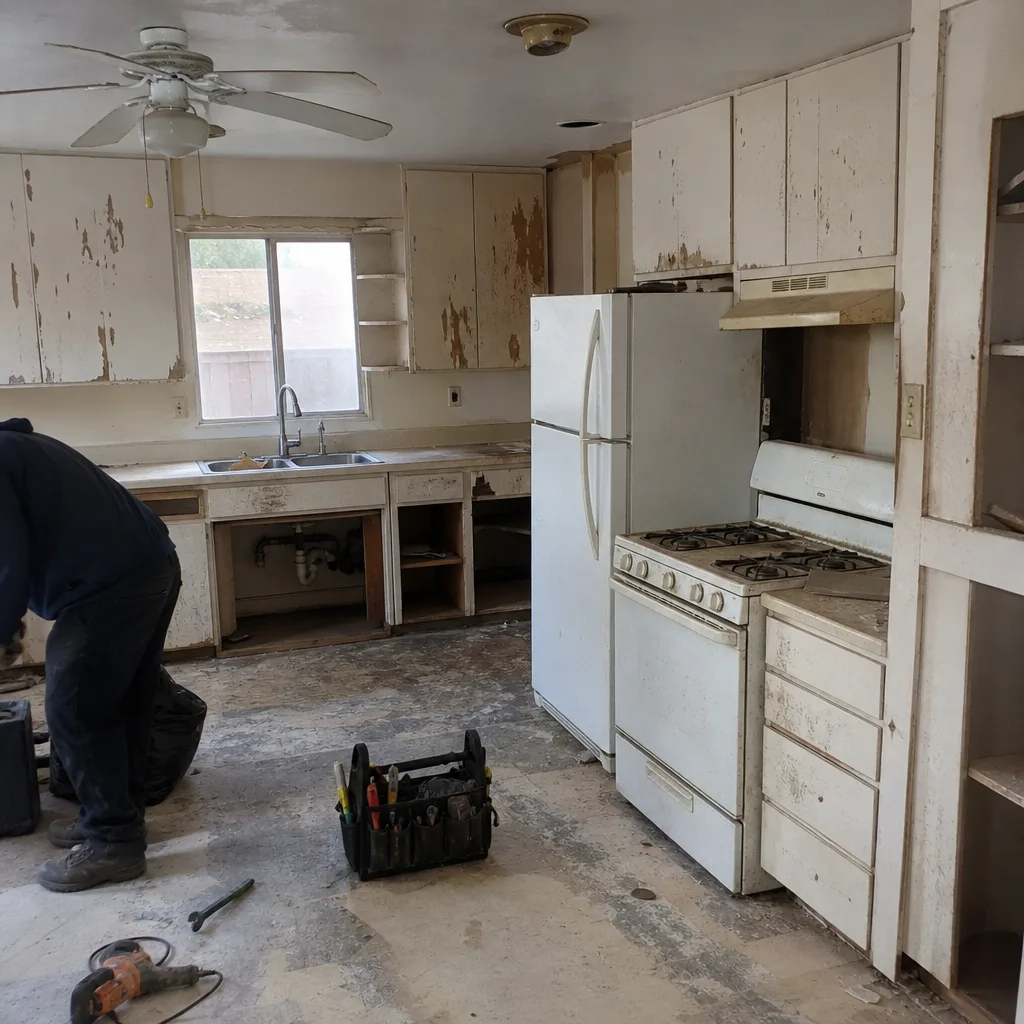 Before
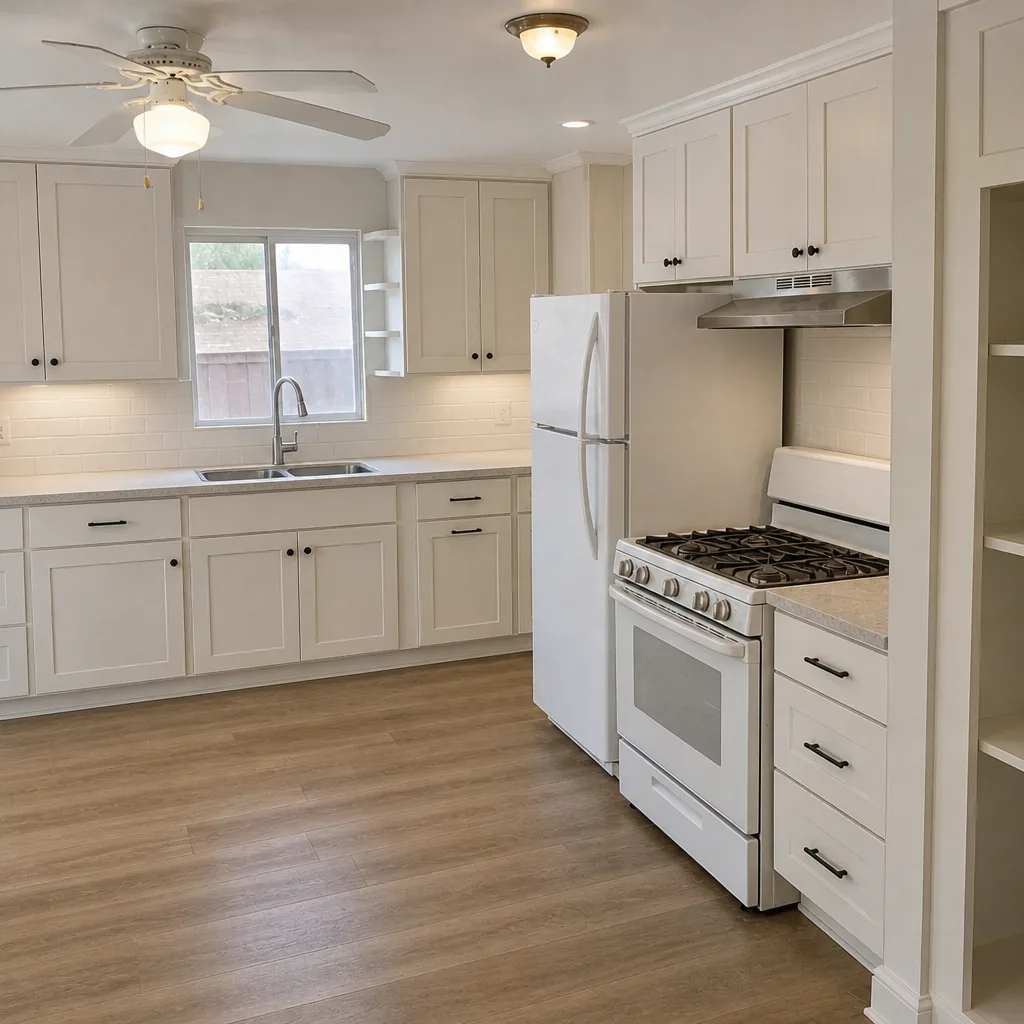 After
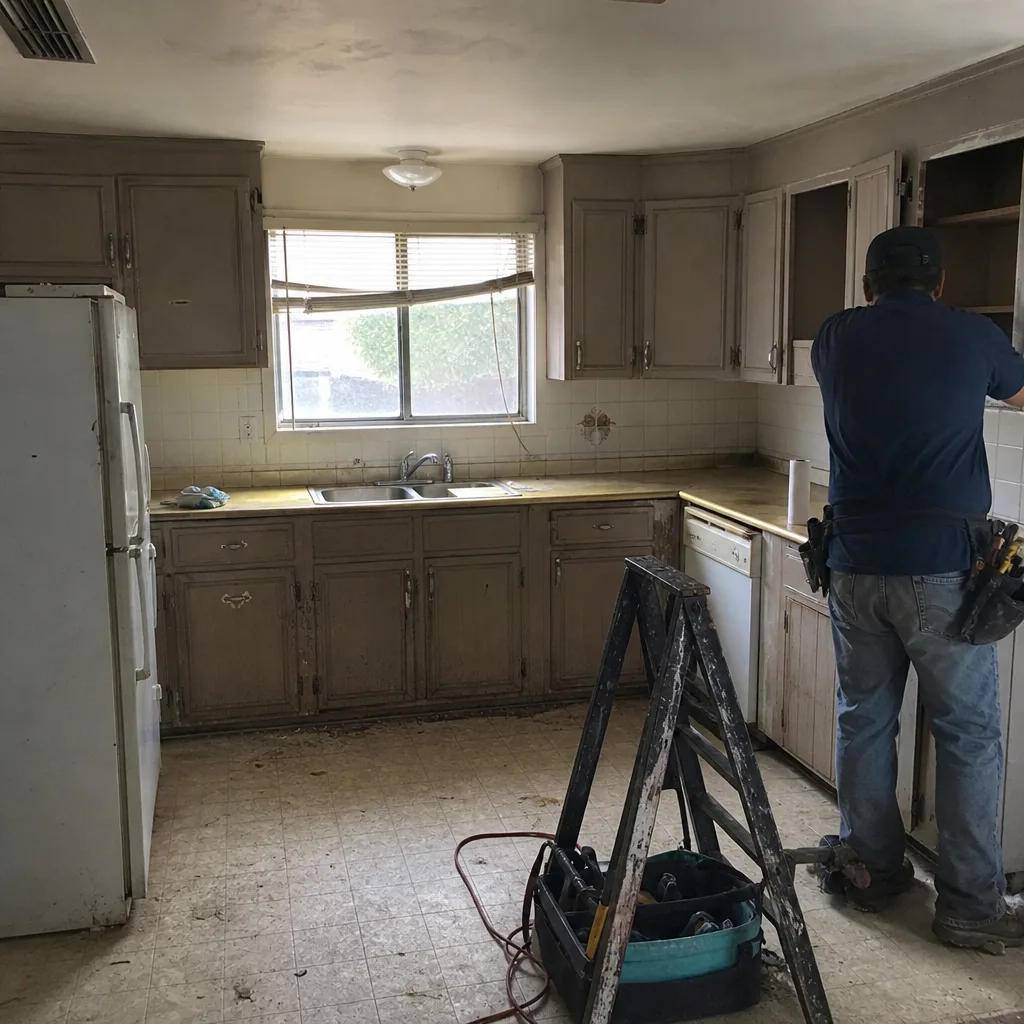 Before
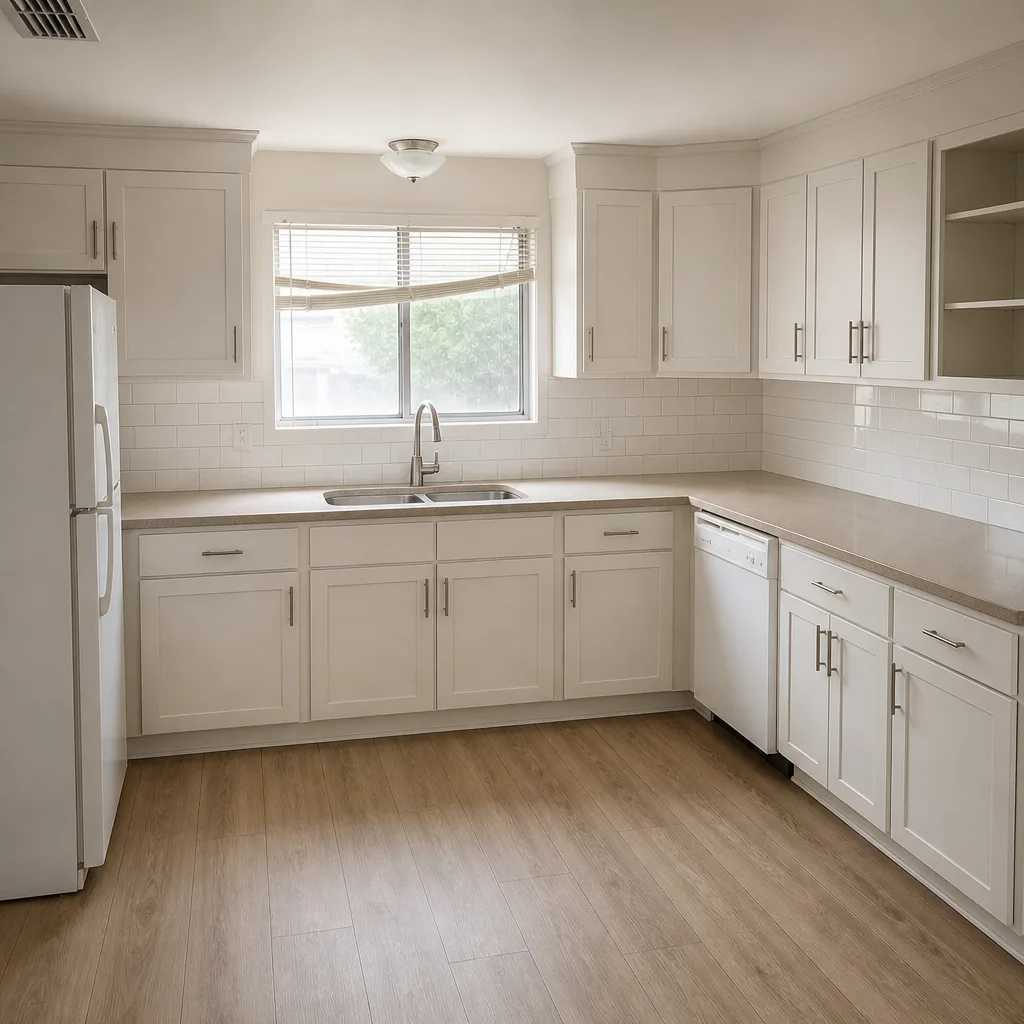 After
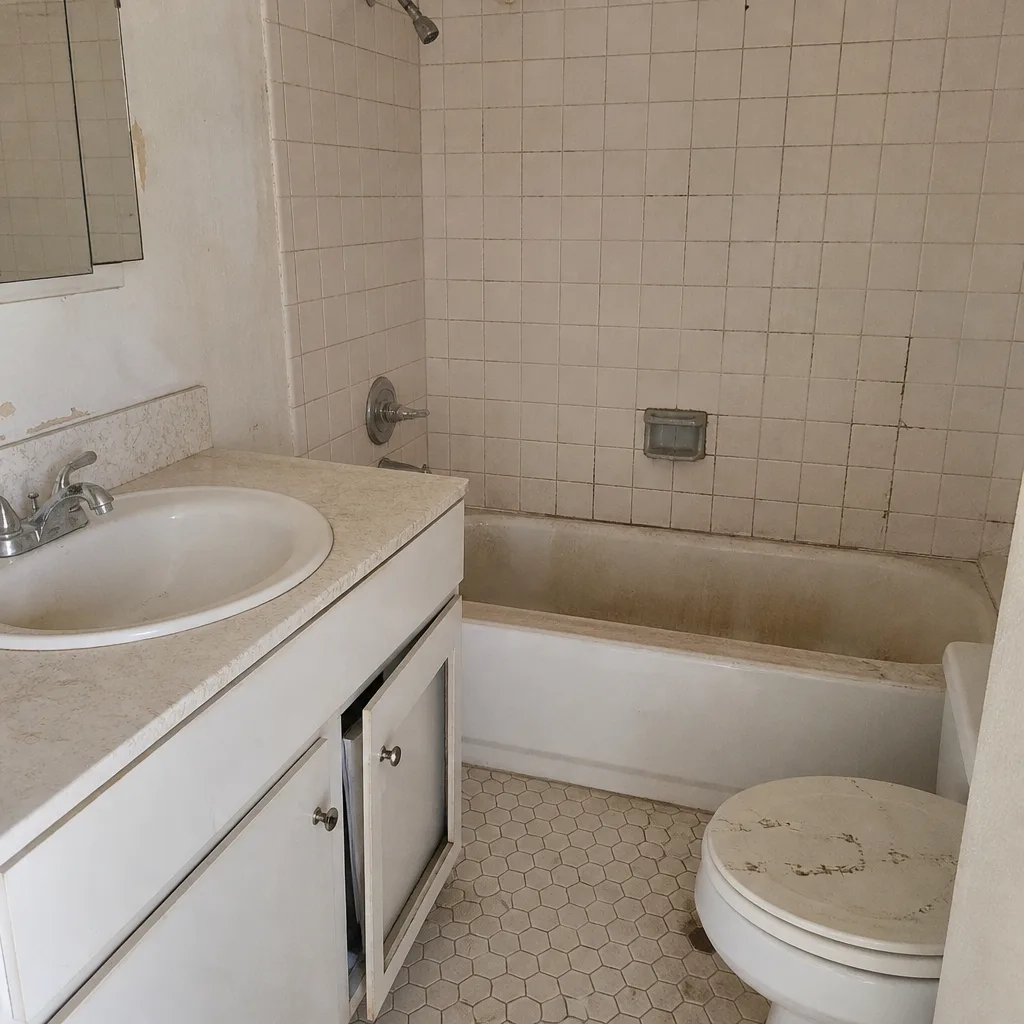 Before
 After