Last updated November 17, 2026








Free written scope consultation - allowances, timeline, and change-order rules on paper before a single trade is scheduled
Home Remodeling Troubleshooting: Common Problems and How to Fix Them
Most remodeling problems don’t start when the tile cracks or the punch list stalls. They start on day one, when nobody wrote down what “done” actually means. Nevada homeowners do have a real legal remedy for contractor abandonment and defective work through the Nevada State Contractors Board (NSCB) complaint process. But that remedy runs on documentation: dated photos, written notices, signed change orders, and proof that you gave the contractor a reasonable chance to cure the defect first. In our experience working across Boulder City, the homeowners who get made whole are almost never the ones who argued the hardest. They’re the ones who kept the cleanest file. This guide walks both paths: the warranty call, and the complaint, plus the five failure categories that cause most of the headaches.
Quick Answer
When a remodel goes wrong, first check your written contract and warranty terms to determine who is liable, then send written notice of the defect and give the contractor a reasonable window to cure it. If the contractor is licensed, unresponsive, or refuses to fix covered work, the NSCB complaint process is usually the most direct next step; if the dispute is about money owed rather than work quality, small claims court or an attorney may be faster. Documentation collected from day one determines which path actually works.
Styles & brands we work with
- Kitchen remodeling
- Bathroom remodeling
- Home additions & ADU
- Roofing
- Windows & doors
- Driveway & pavers
- Fence
Table of Contents
- How Do You Document a Remodeling Defect for a Warranty Claim?
- How Does the NSCB Complaint Process Work?
- The Five Most Common Whole-Home Remodel Failures
- How Do Mechanic’s Liens Work When You’ve Already Paid the GC?
- Attorney, NSCB, or Small Claims: Which Path Fits Your Dispute?
- Why Boulder City Remodels Fail Differently
- Common Mistakes to Avoid
- Frequently Asked Questions
How Do You Document a Remodeling Defect for a Warranty Claim?
A warranty claim lives or dies on documentation, and the clock starts the day work begins, not the day something fails. The protocol that holds up in Boulder City, in front of an NSCB investigator, and in front of a judge is the same: evidence that is dated, specific, and shows the contractor knew about the problem and had a fair chance to fix it.
- Photograph with scale and a date. A close-up of a cracked grout line tells nobody anything. Shoot wide first to show the room and location, then close with a tape measure or coin in frame for scale. Phone photos timestamp automatically; keep the originals and don’t crop or edit them.
- Write it down the same day. A short email or text describing the defect, the room, and the date is enough. “The shower floor is pooling water in the corner nearest the drain as of March 3” beats “shower broken.”
- Send written notice by a method you can prove. Email is fine if you keep it. Certified mail is stronger. Verbal conversations and phone calls should be followed up in writing the same day: “Confirming what we discussed on the phone today…”
- State what you want and by when. Ask for an inspection and a written plan to correct the work. Give a clear date range, generally 10 to 30 days for non-emergency defects.
- Log every response. When they came, what they said, what they did, what they didn’t do. A running timeline is the single most useful document you’ll have if the dispute escalates.
The phrase “reasonable time to cure” is not a fixed number in Nevada contractor law. It generally means enough time for the contractor to schedule, source materials, and return – and a judge or investigator will look at whether you gave them that window before you filed anything. Snap-filing a complaint the day after a callback was promised is the fastest way to lose leverage. The written notice requirement also matters because unlogged verbal complaints are nearly impossible to prove later.
This is also where the contractor’s own paperwork should do some of the work for you. The 365-Day Done Right Promise at Bradford Remodeling means the guarantee terms are written and in the homeowner’s hand at project close, so a warranty call is a documented request rather than a negotiation. If the phone rings and a live person answers, the notice gets logged. That’s the point of putting it in writing upfront.
How Does the NSCB Complaint Process Work?
The Nevada State Contractors Board complaint process is the state’s formal remedy for work performed by licensed contractors. It cannot touch unlicensed operators through the complaint path (unlicensed contracting is a separate enforcement matter, and you can report it, but the process and outcomes differ). If your contractor was licensed and the work was defective, abandoned, or performed outside the contract, this is usually the most direct route before you hire an attorney.
What the complaint covers:
- Defective workmanship on a permitted or contracted scope
- Abandonment (contractor stopped showing up)
- Failure to complete a written contract
- Departure from the approved plans or written scope
- License and bonding issues
What you’ll need to file:
- Your signed contract, including all change orders
- Payment records – cancelled checks, receipts, bank statements
- Photos of the defect, with dates
- Your written notices and the contractor’s responses
- Any permits and inspection records
- A written timeline of events
Outcomes the Board can produce range from a compliance order requiring the contractor to correct the work, to disciplinary action against the license, to a claim against the contractor’s license bond. Bond claims are where the paperwork pays off – the bond exists to reimburse homeowners for certain losses, but only with evidence. The Board is not a court and cannot award damages for emotional distress or lost time; it can order correction and discipline the license. If you’re in Boulder City and your project touched permitted structural or plumbing scope, your building department inspections file is also part of the record.
The Five Most Common Whole-Home Remodel Failures
Across years of whole-home work, the same five failures account for most of the pain. Each has a root cause, and each has a remedy.
1. Improper Waterproofing
Root cause: A shower or wet area built without a continuous waterproof membrane, or with the wrong product for the substrate. It passes inspection because it looks finished. Remedy: The fix is demolition of the affected area, not a topical sealer. Get a written scope for the correct membrane system and a reinspection.
2. Unfinished Punch Lists
Root cause: The contractor’s cash flow or crew calendar leaves the last 2% of a project open while the final payment is already in their hands. Remedy: Withhold final payment until the punch list is signed off. This is why the payment schedule should tie the last draw to completion, not to “substantial completion.”
3. Subcontractor Lien Filings
Root cause: The GC collects from you but doesn’t pay the subs or suppliers, who then file a mechanic’s lien against your property. Remedy: Lien waivers at every payment milestone – covered in the next section.
4. Permit Non-Closeout
Root cause: A permit was pulled but never finaled. The job “looks done,” but the file stays open. Remedy: Don’t release final payment until the permit is closed and you have the final inspection record. This matters at resale.
5. Structural Work Without Engineer Sign-Off
Root cause: A wall came out, a beam went in, and no engineer stamped the design. Remedy: A licensed structural engineer has to review and sign the existing condition before anyone adds to it. This is the one failure with no cheap fix.
How Do Mechanic’s Liens Work When You’ve Already Paid the GC?
This is the nightmare scenario: you paid your general contractor in full, the job is done, and three months later a lien appears on your property from a subcontractor or lumber yard you never hired. It’s legal. Nevada’s mechanic’s lien statutes protect the people who actually supplied labor and materials, and paying the GC does not automatically protect you.
The fix is procedural and has to be built into the payment schedule from day one:
- Require conditional lien waivers with each payment. Before you release a draw, get a signed waiver from the GC and from every sub and supplier who worked in that period, stating they’ve been paid for the work covered by that draw.
- Match waiver scope to draw scope. A waiver for “framing and rough-in” doesn’t cover the electrician. Get waivers per trade, per milestone.
- Get a final unconditional waiver at closeout. Full and final waivers from everyone, plus the closed permit, before the last payment clears.
- Request a preliminary notice record at project start. Nevada subs and suppliers send preliminary notices; keep all of them in the project file so you know who could file.
- Never pay cash without a receipt tied to a waiver. Cash draws without paper are how homeowners end up paying twice.
When you’re planning a kitchen or bath in Boulder City, ask for the waiver schedule in writing before the first payment. See our Kitchen Remodeling in Boulder City page for how a milestone schedule looks on a real project. A contractor who resists lien waivers is telling you something important.
Attorney, NSCB, or Small Claims: Which Path Fits Your Dispute?
The right path depends on the dollar amount, whether the contractor is licensed, and whether the issue is quality or money.
- NSCB complaint: Best for defective or abandoned work by a licensed contractor, regardless of dollar amount. Free to file, but it cannot award money damages for your time or inconvenience.
- Small claims court: Nevada small claims handles disputes up to $10,000. Best for money owed back, overcharges, or unlicensed-contractor losses where the NSCB can’t act. Filing costs are low and you don’t need a lawyer.
- Attorney: Worth it when the dollar amount is well above small claims limits, when there’s property damage or lien exposure, when a bond claim is contested, or when a contract clause needs real interpretation. Also worth a consultation when the contractor won’t respond and you want a formal demand letter – many disputes resolve at that step.
Timelines matter. NSCB complaints are usually best filed after your reasonable-cure window has expired and you have written notice on record. Small claims generally needs the contract, payment records, and photos before you file. Attorneys can pursue claims faster but the cost has to be weighed against the dispute value. If you’re still in the design phase and haven’t broken ground, the cheapest attorney is a clean contract and a written price before work starts.
Why Boulder City Remodels Fail Differently
Boulder City has housing stock – a lot of it built in the 1930s through the 1960s – that behaves differently from newer Vegas suburbs. Three things come up repeatedly.
First, older plumbing and electrical substrates. Pipes that were fine in 1970 are at the edge of their service life, and rough-in work reveals surprises. A written scope with a documented allowance for unexpected substrate conditions is the difference between a fixed price and an invoice that moves. That’s what The Garrison Standard calls a squared-away job: numbers in writing, and if something has to change, it changes on paper before a tool comes out. Read more about how we handle scope on our General Contractor in Boulder City page.
Second, the desert swing. High-desert temperature swings – hot days, cold nights, dry air – do a number on exterior sealants, stucco transition joints, and hardwood flooring that needed acclimation time before install. Tiles lifting at the edges or caulk lines failing within a year are often installed fine and acclimated wrong. Asking when materials will be delivered and left to acclimate is a legitimate, useful question.
Third, permit closeout. Boulder City inspections are thorough, and finaling a permit isn’t a formality. A project that “looks done” but has an open permit on file is a problem the moment you sell. Don’t release final payment until the final inspection record is in your hand.
If you’re considering a whole-home project in Boulder City, the Bradford Remodeling Boulder City home page explains how we structure scope and pricing on larger remodels, and our Bathroom Remodeling in Boulder City page covers how we handle wet-area waterproofing specifically, since that’s the number-one failure in this market.
Common Mistakes to Avoid
- Paying the final draw before the punch list is signed. Two things go wrong here: the contractor suddenly gets busy on other jobs, and you lose your leverage to force corrections. Keep 10% to 15% back until closeout.
- Not photographing before walls close up. Once drywall is up, you can’t prove what the rough-in looked like. Photograph framing, plumbing rough-in, and electrical with a tape measure in frame before drywall goes on.
- Verbal change orders. “Just add the recessed lights, we’ll sort it out” is how invoices turn into arguments. Every change, however small, gets a written change order with a price before work continues.
- Assuming the GC’s insurance covers everything. Subcontractor negligence may skip right past the GC’s policy. Ask for the certificate of insurance naming you as additional insured, and verify the subs are covered too.
- Filing a complaint before you’ve sent written notice. Investigators look at whether you gave the contractor a fair chance to cure. Get the notice in writing first.
- Choosing by price per square foot alone. The cheapest bid in a Boulder City remodel is usually missing line items – waterproofing, permit fees, disposal – that arrive as change orders. Compare written scopes line by line, not bottom-line totals.
- Forgetting the permit closeout. An open permit can surface at resale and force a scramble. Track it and get the record in writing.
See the difference
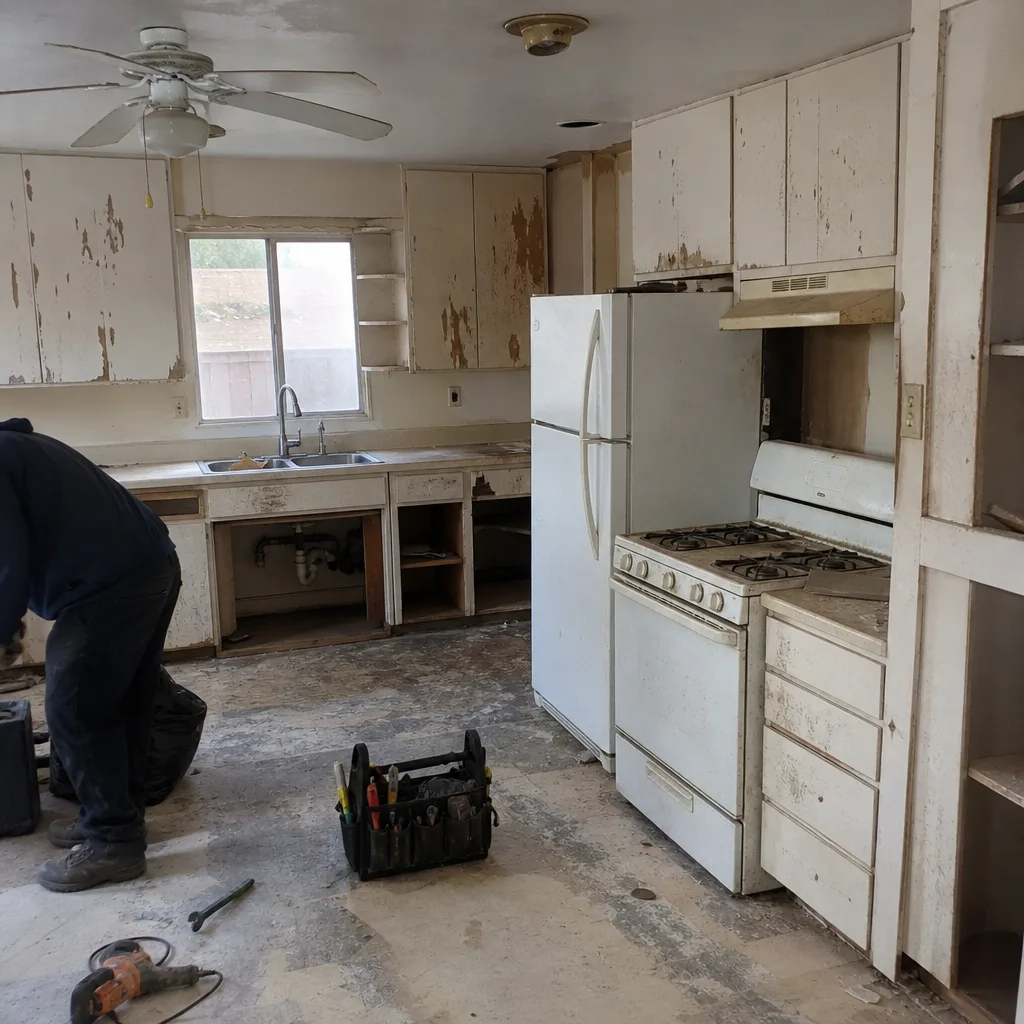 Before
 After
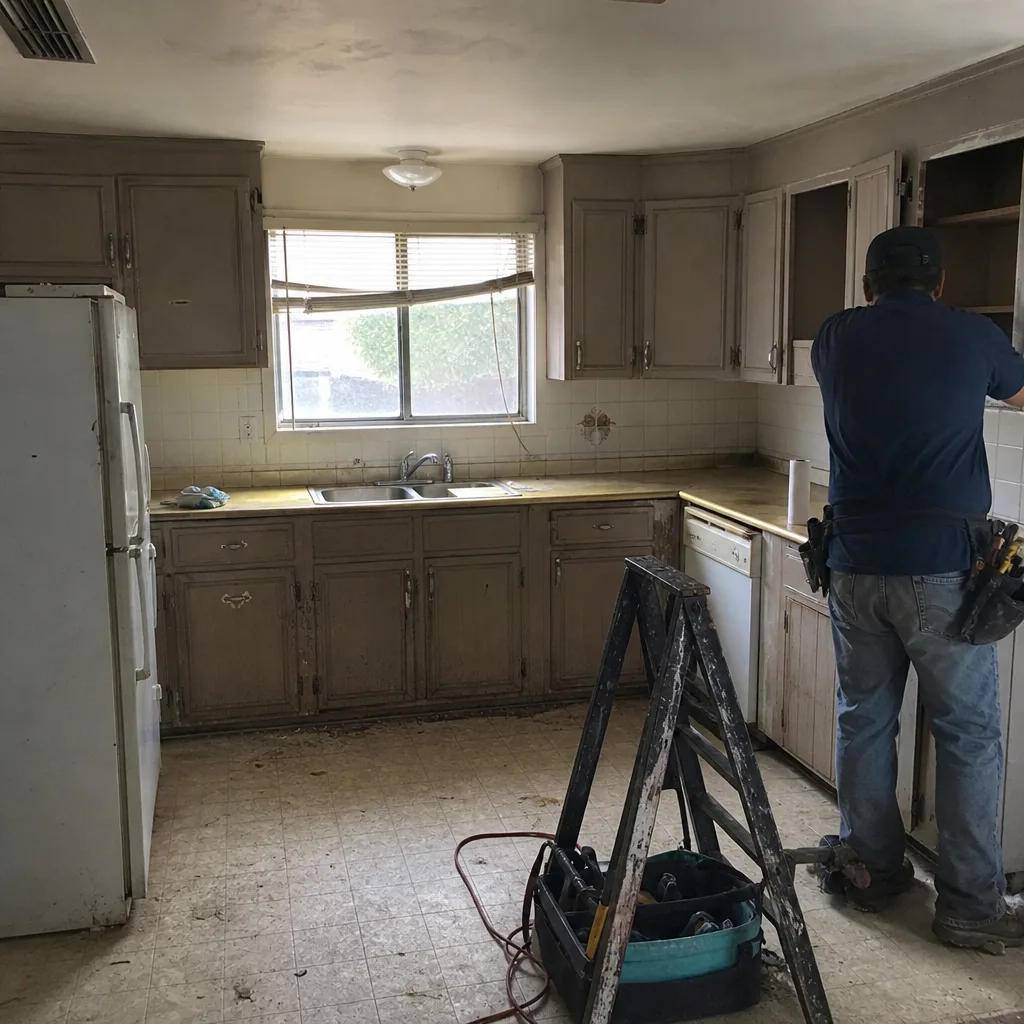 Before
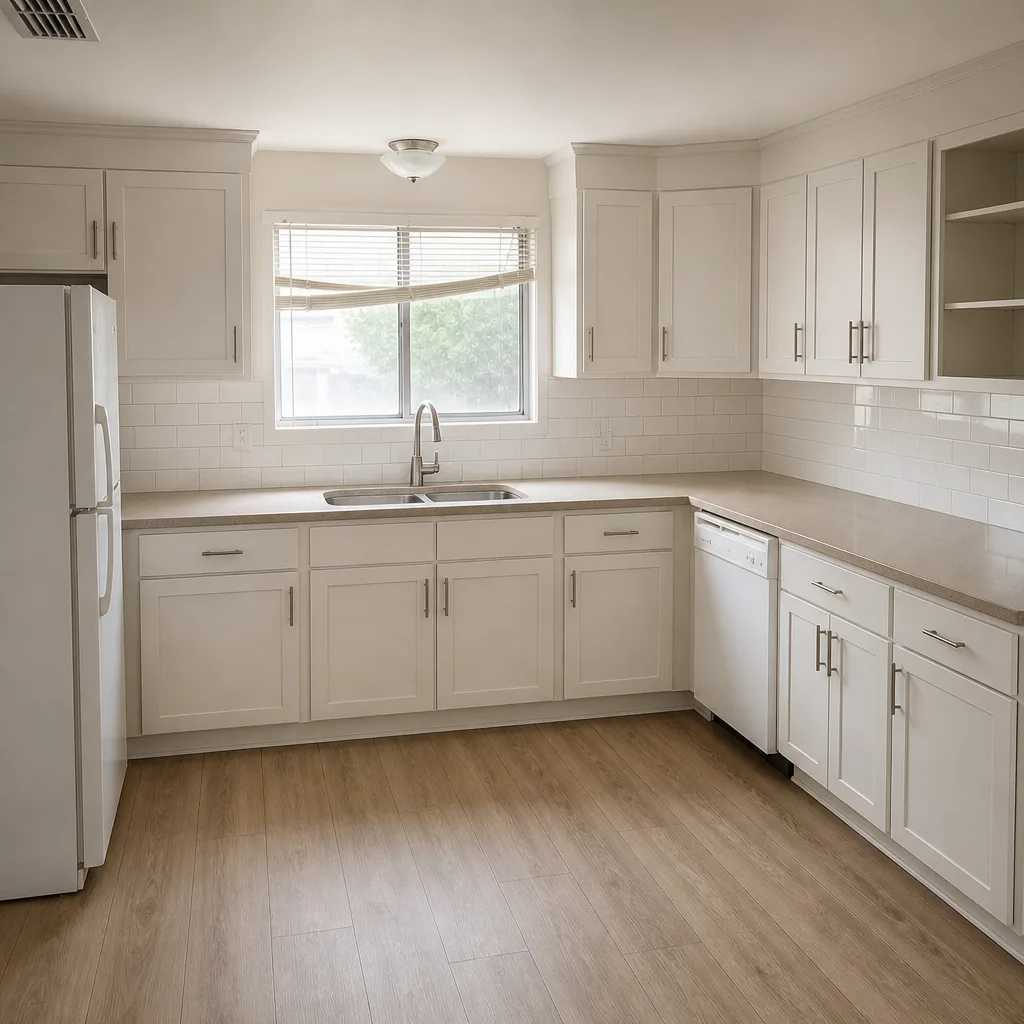 After
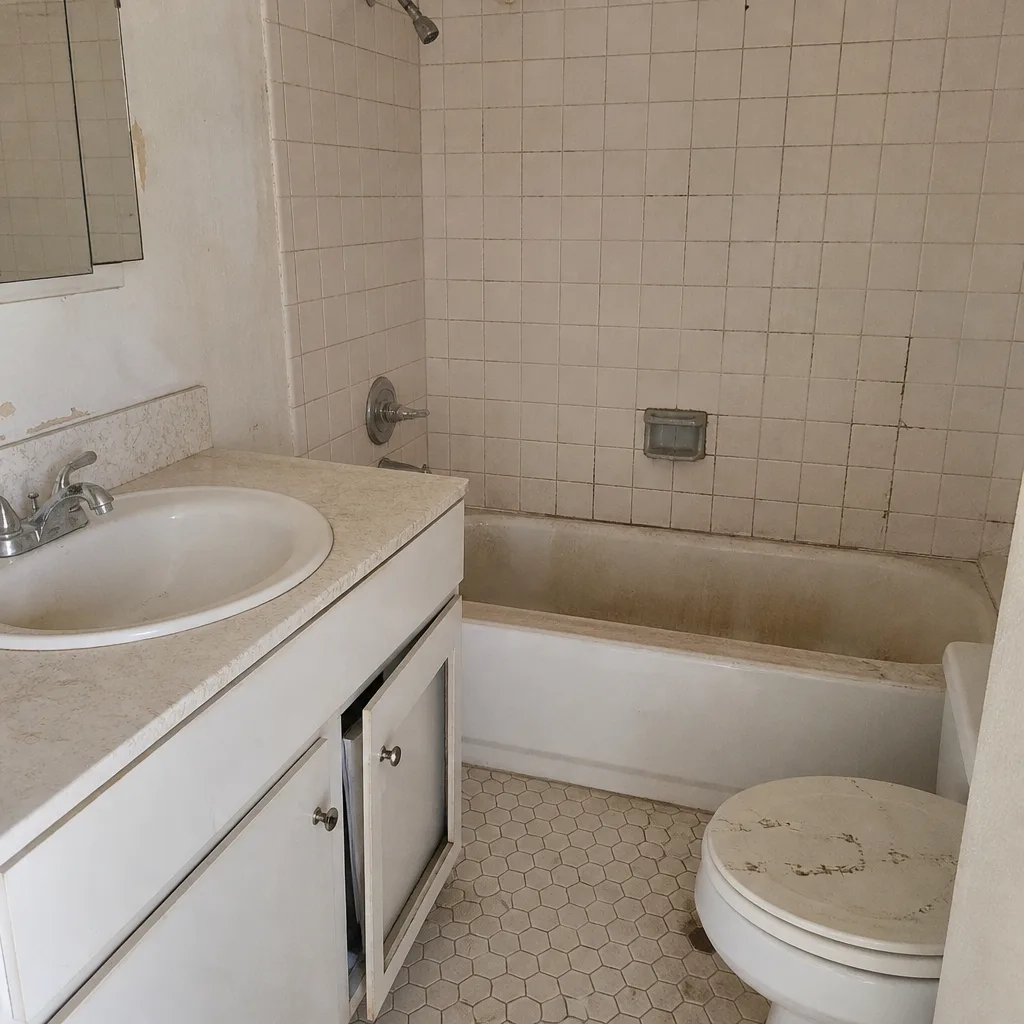 Before
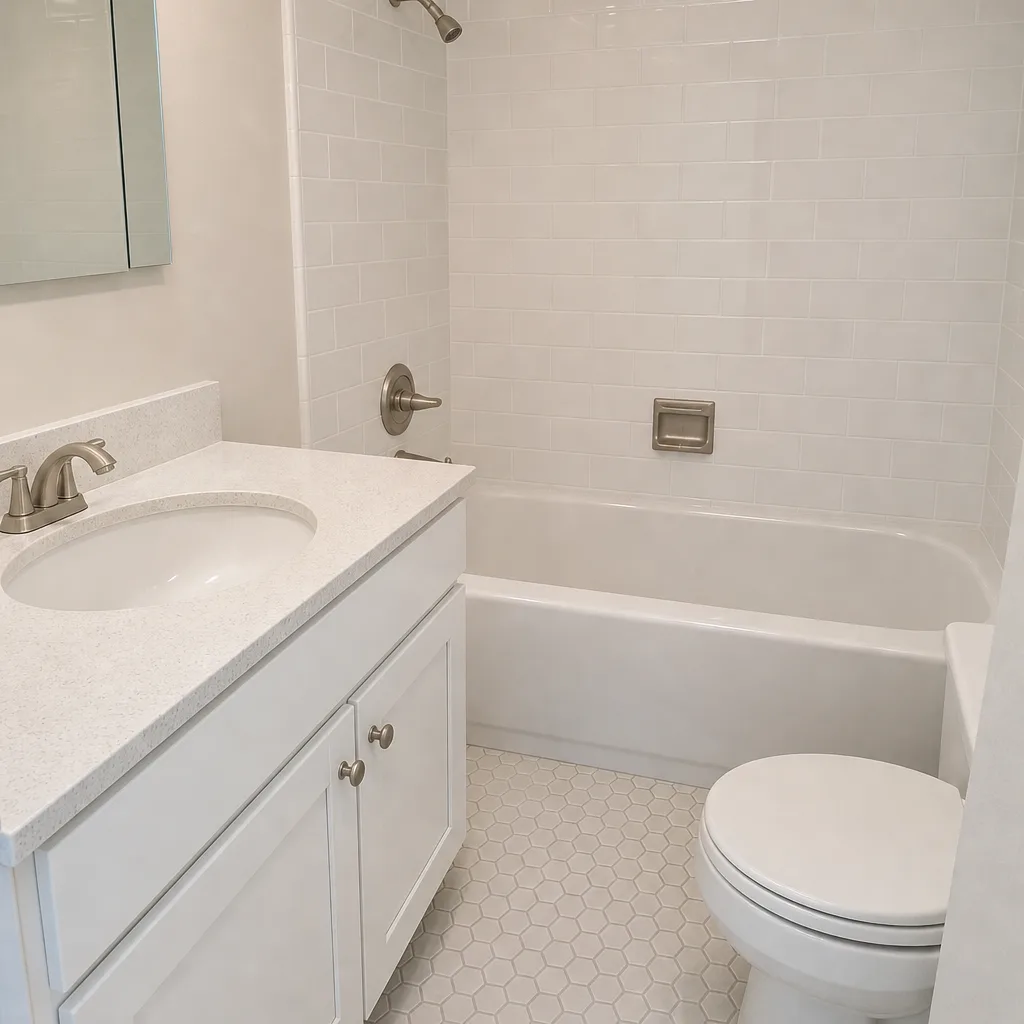 After
When to Call a Professional
Call a licensed contractor when the problem involves anything structural, any waterproofing failure in a wet area, anything that touches electrical or gas, or when a repair is likely to reveal a second failure underneath. Also call when the fix requires a permit; pulling one on your own behalf is technically possible but rarely wise in a project this size. And call when a prior contractor’s work is in question and you don’t have the paperwork to know what was actually built. A free estimate should include a written line-item scope, not a site walk and a handshake.
Bradford Remodeling Boulder City offers free estimates in Boulder City – call (844) 797-9259. A written price before any work starts, a documented roster of materials including James Hardie and Therma-Tru, background-checked technicians, and the 365-Day Done Right Promise on completed work.
Frequently Asked Questions

Read your contract and warranty terms first, then send written notice of the defect to the contractor and request inspection within a reasonable window (typically 10 to 30 days for non-emergency defects). Photos, dates, and a written record from day one are what make every downstream remedy – warranty, NSCB complaint, or small claims – viable. Call (844) 797-9259 for a free estimate if you’re starting over on a prior contractor’s work.
Re-doing a failed shower waterproofing in Boulder City typically runs $4,000 to $12,000 depending on the size of the shower, tile selection, and whether the substrate underneath needs to be replaced. The range is wide because a cheap sealer fix doesn’t work and doesn’t last. A free estimate should include a written line-item scope, not a guess. Call (844) 797-9259 to schedule one.
The NSCB can order the contractor to correct defective work and can discipline the license, and it can reach a license bond claim in certain cases – but it is not a court and doesn’t award general damages for your time. For money back, small claims court is usually the more direct path for amounts up to $10,000. A contractor’s license status is the first thing to check before choosing a route.
Yes. Nevada lien law protects subs and suppliers who weren’t paid, even when you paid the GC in full. The only reliable defense is lien waiver collection at every payment milestone – conditional waivers as you pay, unconditional final waivers at closeout – so you can prove everyone down the chain was paid. Ask for the waiver schedule in writing before work begins.
A whole-home remodel in Boulder City typically runs three to six months for a single-story home, longer when structural work, a kitchen, and multiple baths are all in scope. The bigger variable is permit closeout – Boulder City inspections are thorough – so plan for the final inspection record and a signed punch list to be part of the schedule, not an afterthought. Free estimates at (844) 797-9259.
The written price should not move at the door on a fixed-scope job. Legitimate changes come from documented change orders – substrate surprises, owner-requested upgrades, code-driven additions – each of which gets a written price before work continues. If a contractor can’t point to a signed change order, the invoice is negotiable. Ask for a written price before any work starts, every time. Call (844) 797-9259 for a free estimate.
The Bottom Line
When a remodel goes wrong, the first question is who is liable and what the paperwork says – not how to patch the damage. Documentation collected from day one decides which remedy works: warranty call, NSCB complaint, small claims, or attorney. Keep dated photos, written notices, signed change orders, and lien waivers on file. Track permit closeout and don’t release final payment until the punch list is signed. The five biggest failures – waterproofing, punch lists, liens, open permits, structural work without an engineer – all trace back to missing paper. A contractor who puts the price and the guarantee in writing upfront prevents most of these problems from ever happening. If you’re in Boulder City and want a project squared away from the first tool, call (844) 797-9259 for a free estimate and a written line-item scope.
Written by the team at Bradford Remodeling Boulder City.