Last updated November 17, 2026







Free written scope consultation - allowances, timeline, and change-order rules on paper before a single trade is scheduled
Home Remodeling Warning Signs Every Homeowner Should Know
The National Association of the Remodeling Industry estimates that correction work, meaning fixing another contractor’s unfinished or non-code-compliant remodel, now accounts for nearly 1 in 5 remodeling jobs. Most of those homeowners saw the signs and didn’t know what they meant. The signals showed up mid-project, when they felt locked in and unsure whether they had any right to push back. This guide changes that. We’ll walk through the permit, structural, financial, and communication red flags that appear after the contract is signed, and we’ll show you exactly what to do when you spot them. We’ve seen these patterns on Boulder City jobs, and catching them early is the difference between a fix and a rebuild.
Quick Answer
The biggest mid-project warning signs are work that starts before the permit placard is posted, framing sealed behind drywall without a plumb check, draw requests that run ahead of completed work, lien waivers that never arrive, and a foreman who stops answering. Any one of these is reason to pause and demand documentation in writing. Two or more together means you should stop work and review your contract before another dollar goes out.
Styles & brands we work with
- Kitchen remodeling
- Bathroom remodeling
- Home additions & ADU
- Roofing
- Windows & doors
- Driveway & pavers
- Fence
Table of Contents
- 1. Permit Red Flags: When the Paper Trail Goes Quiet
- 2. Structural Signals Hiding Behind the Drywall
- 3. Financial Warning Signs: Draws, Liens, and Cash Requests
- 4. Communication Signals That Predict Abandonment
- 5. What Nevada Law Lets You Do When You Suspect a Breach
- 6. How to Verify Work Without Being a Contractor Yourself
- Common Mistakes to Avoid
- When to Call a Professional
1. Permit Red Flags: When the Paper Trail Goes Quiet
Permits are the part of a remodel that homeowners pay for and almost never check. In Boulder City, structural, electrical, and plumbing work on a home remodel requires a permit and, in most cases, at least one inspection before the work is covered up. The permit placard should be posted in a visible spot like a front window or garage door. If demo starts and there’s no placard, ask why in writing before the framing crew arrives.
The subtler version is the inspection that gets “called in” but never happens. A contractor tells you the rough-in inspection is scheduled, the drywall goes up a few days later, and no inspector ever walked the site. That’s a problem. Here’s how to catch it:
- Ask for the permit number. It’s on the placard. If it isn’t, request the number in writing and note the date you asked.
- Look for the inspection sticker or sign-off. Many jurisdictions stamp or record the inspection on the placard or post the result online.
- Confirm with the building department yourself. A phone call or online lookup using the permit number tells you whether an inspection was scheduled, performed, and passed.
- Never let drywall go up over unpermitted rough-in. Once it’s covered, the cost to open it back up falls on you.
If you suspect work started before the permit was issued, document the dates. Photos with timestamps help. Then send your contractor a written request to produce the permit record before the next draw. If they can’t, that’s your answer.
2. Structural Signals Hiding Behind the Drywall
This is the section most warning-sign articles skip, because it requires some trade language. We’ll explain it plainly. Two structural checks happen before drywall and matter more than almost anything else on the job.
Framing that isn’t plumb-checked
Plumb means straight up and down. Before drywall is hung, framing should be checked with a level to confirm walls are plumb, corners are square, and openings are true. If the crew is hanging drywall the same day the framing goes up, or if nobody has pulled a level off the truck, ask. You don’t need to check it yourself. You do need to ask whether it was checked, and whether a framing inspection happened if your jurisdiction requires one. Signs of a skipped check later on include wavy walls under raking light, doors that swing open on their own, and cabinets that need shims on the face frame in a new kitchen.
Waterproofing membrane steps skipped in wet areas
In showers and behind tile, a waterproofing membrane keeps water out of the framing. Products like Schluter’s Kerdi system are common and have very specific installation requirements: the membrane has to overlap by the manufacturer’s stated dimension, seams need thinset embedded correctly, and corners need pre-formed pieces rather than a folded membrane. Bundling these steps saves a crew time, and it fails in a month to a year. Look for three things:
- Photos of each waterproofing stage before the tile goes up. A reputable crew documents this without being asked.
- Flood test for shower pans if your project involves a curb or a tile pan.
- No tile work started the same day as membrane installation. The membrane and thinset need to cure. Rushing the schedule here always costs later.
In Boulder City, our dry climate hides wet-area mistakes longer than they would in a humid market. A shower that leaks slowly into framing can look fine for years. That makes documentation of the waterproofing stage more important, not less. If you’re planning a bathroom project and want to know what a properly sequenced job looks like, our page on Bathroom Remodeling in Boulder City lays out the sequence we follow.
3. Financial Warning Signs: Draws, Liens, and Cash Requests
The financial side of a mid-project remodel is where homeowners feel the most stuck, and where a written contract with a defined scope is worth the most. Three signals should stop you.
Draw requests that outpace completed work
A draw is a payment schedule tied to progress. If a contractor asks for 50% of the total after 25% of the work is done, the money has moved ahead of the labor. Ask for a line-item justification: what work is complete, what’s been delivered, and what’s next. A contractor with disciplined books can produce this in a day.
Lien waivers that never arrive with payment
A lien waiver is a signed statement from a subcontractor or supplier confirming they’ve been paid and won’t file a mechanic’s lien on your property. In Nevada, a subcontractor or supplier can file a lien against your home if they aren’t paid, even if you paid the general contractor. Every payment you make should trigger a partial lien waiver from everyone who worked on that draw. If you’re three payments in and no waivers have arrived, pause. Request them in writing before the next check clears.
Subcontractors asking you directly for money
If a framer, tile setter, or electrician knocks on your door and says the general contractor hasn’t paid them, that’s a serious signal. It usually means the general contractor is using your draw to pay down an earlier job, and your project is funding the gap. Politely decline, tell the subcontractor you’ll raise it in writing with the general contractor, and request a meeting. Call our team at (844) 797-9259 if you want a second opinion on what your contract allows. A live person answers, day or night.
4. Communication Signals That Predict Abandonment
Most abandoned or stalled jobs telegraph themselves weeks in advance through communication. These signals are easy to dismiss in the moment because each one has a reasonable explanation. A pattern of them is the warning.
- Response time slowing. The foreman who used to answer in ten minutes now takes a day. Texts go unread. Ask directly whether something in the schedule or crew has changed.
- The foreman changing without notice. A new face running the job with no introduction is a sign of turnover. Ask who is now responsible for the schedule and get their name and number in writing.
- Materials missing their staging dates. If your cabinets from a name brand like KraftMaid were supposed to arrive on the 14th and the crew is standing around on the 20th, the supply chain isn’t the only issue. Overdue materials often mean unpaid invoices to the supplier.
- “We’ll catch up next week” without a written schedule. Verbal scheduling disappears when a job starts to slip. Ask for the updated schedule by email.
- Site cleanliness falling off. A crew that stops cleaning up is a crew whose supervision is thinning. That matters for safety and for how the finished work will look behind trim.
Here in Boulder City, we’ve seen exhausted homeowners tolerate four or five of these signals before asking for documentation. By the time they call, the schedule is usually two months behind. One signal is worth a question. A cluster is worth a written pause.
5. What Nevada Law Lets You Do When You Suspect a Breach
Nevada gives homeowners real tools when a contractor isn’t performing, and they hinge on the contract. Under Nevada’s licensing rules, a contractor is required to have a written contract for residential work that specifies the scope, the price, and the payment schedule. That document is your leverage. If a contractor is in breach, you generally have the right to:
- Demand written documentation of the work. Permits, inspection results, lien waivers, and progress photos are reasonable to request when work is in dispute.
- Stop payment on draws tied to incomplete work. Withhold the next scheduled payment until the completed work matches the percentage billed.
- Terminate for material breach. If your contract has a termination clause, read it. It typically requires written notice and an opportunity to cure, which you should send in writing with a specific deadline.
- File a complaint with the Nevada State Contractors Board. The Board has jurisdiction over licensed contractors and can investigate complaints about non-performance and workmanship.
- Pursue the contractor’s license bond. Nevada requires licensed residential contractors to carry a bond, which can be a source of recovery when a claim is upheld.
All of these actions are easier when your original contract spelled out scope, payment milestones, and the correction process. That’s the practical difference between a written-price contractor and a handshake one. Our page on General Contractor in Boulder City explains what a documented scope actually covers, line by line.
6. How to Verify Work Without Being a Contractor Yourself
You don’t have to read a framing square to know whether a job is squared away. Here’s the routine we recommend to any Boulder City homeowner whose project is mid-flight.
- Request daily or weekly photos. Ask for dated photos of every stage before it’s covered up: framing, rough-in, insulation, waterproofing, drywall. Store them in one folder on your phone.
- Confirm each inspection with the building department. Use the permit number, not the contractor’s word.
- Match each draw payment to a partial lien waiver. No waiver, no check.
- Keep a running written log of change requests and responses. Email works fine. What matters is a dated record of what was asked and what was said.
- Walk the site once a week with the foreman. Fifteen minutes. Ask what happened this week, what’s next week, and what’s at risk. Write down the answers.
- Check that specifications match the contract. If you paid for Cambria countertops and a Kraus sink, look for those exact names on the delivery slips and packaging. Branded products like Kohler and Moen fixtures or Toto toilets carry model numbers you can verify against the order.
This level of documentation is what The Garrison Standard means in practice. Every Bradford project gets a written price before work begins and a signed 365-Day Done Right Promise at close. If the work fails inside that year, we come back and correct it at no charge. That guarantee only works with a paper trail behind it, which is why we build one on every job.
Common Mistakes to Avoid
- Paying a draw with no lien waiver attached. In Nevada, a supplier can lien your home if you paid the general contractor and they didn’t pay the supplier. Every check should come with a waiver from everyone on that phase.
- Letting drywall go up before you’ve confirmed framing and rough-in inspections. Once it’s sealed, opening it back up is a five-figure problem in most Boulder City homes, not a service call.
- Accepting verbal change orders. If the scope grows, the price and the schedule should be written down and signed before work continues. A verbal “we’ll square it up at the end” is how surprise invoices happen.
- Ignoring a slowing response time for two weeks. Communication is a leading indicator. Five unanswered texts in a row is a scheduling or cash-flow problem on the contractor’s side, not yours.
- Assuming the permit doesn’t matter in Boulder City. Older homes near the historic district often need structural or electrical permits for work that feels cosmetic. Unpermitted work can complicate a future sale and your insurance coverage.
- Not photographing the waterproofing stage. Once tile is up, you have no way to verify the membrane was installed to the manufacturer’s spec. Require dated photos of every wet-area step, including the flood test on any new shower pan.
- Signing a contract that doesn’t specify a correction window. Without a defined guarantee period and a written correction process, your only remedy is a complaint or a lawsuit. Read that clause before you sign, not after.
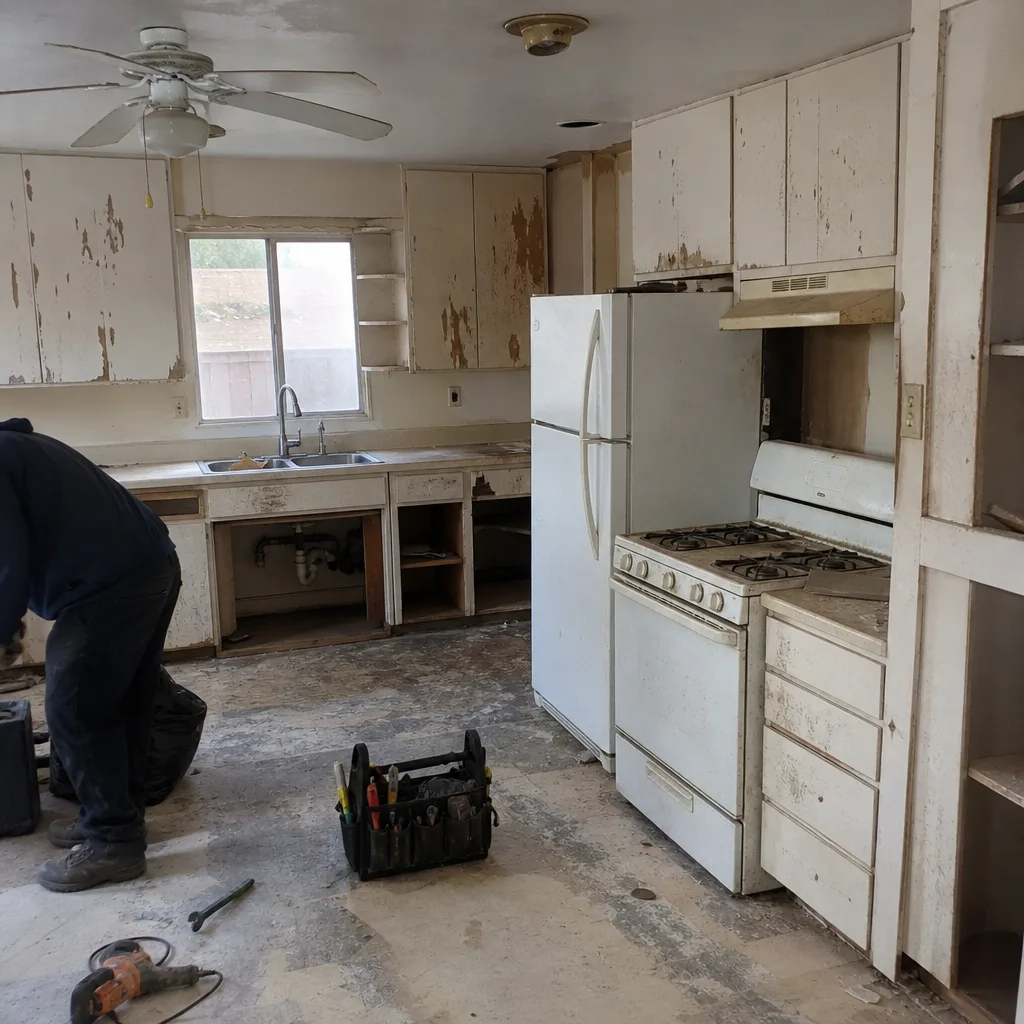
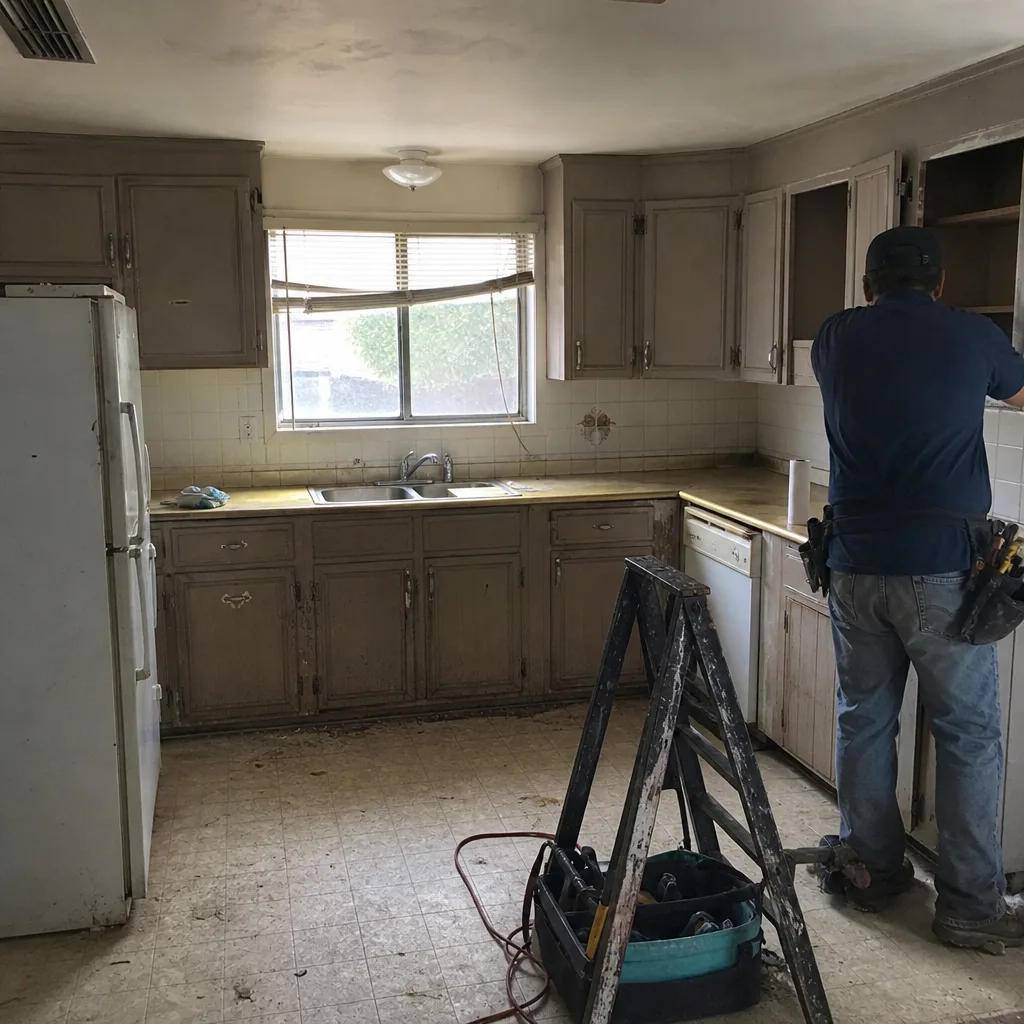
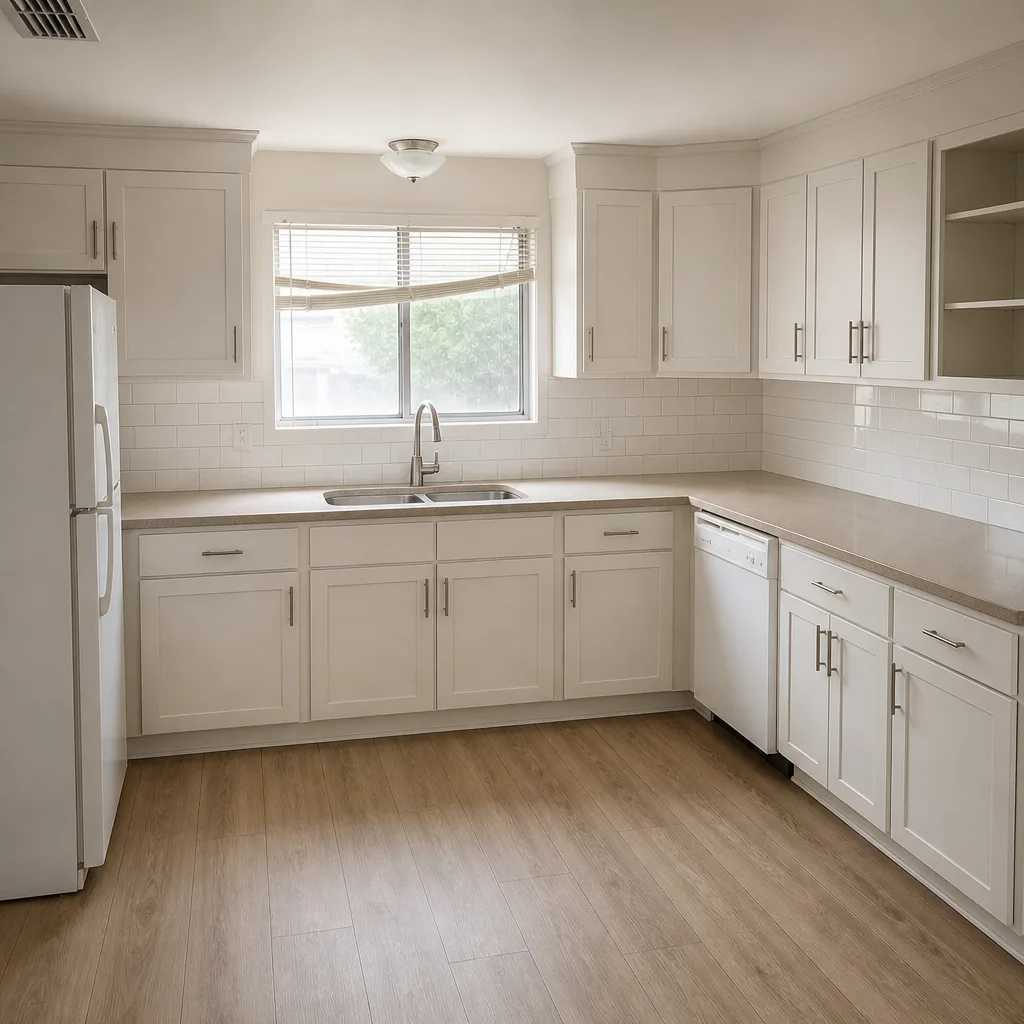
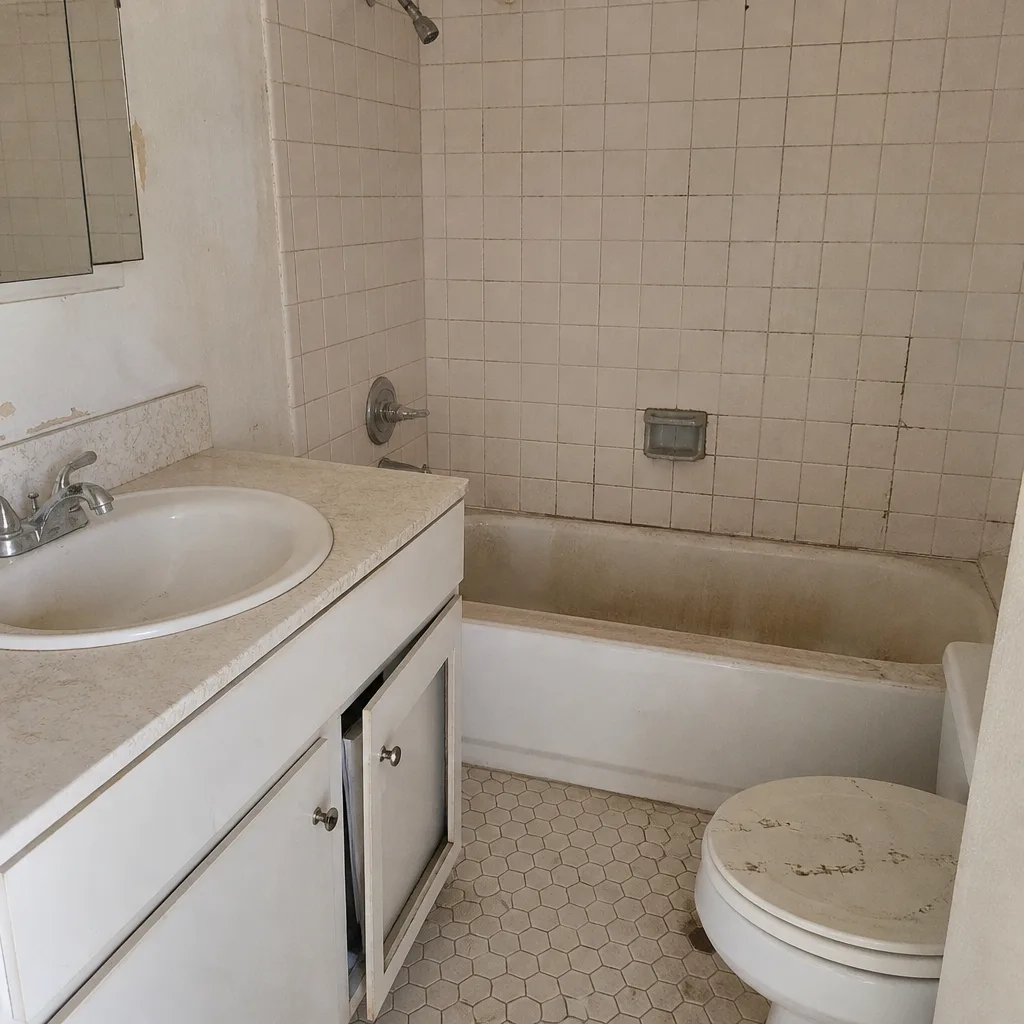
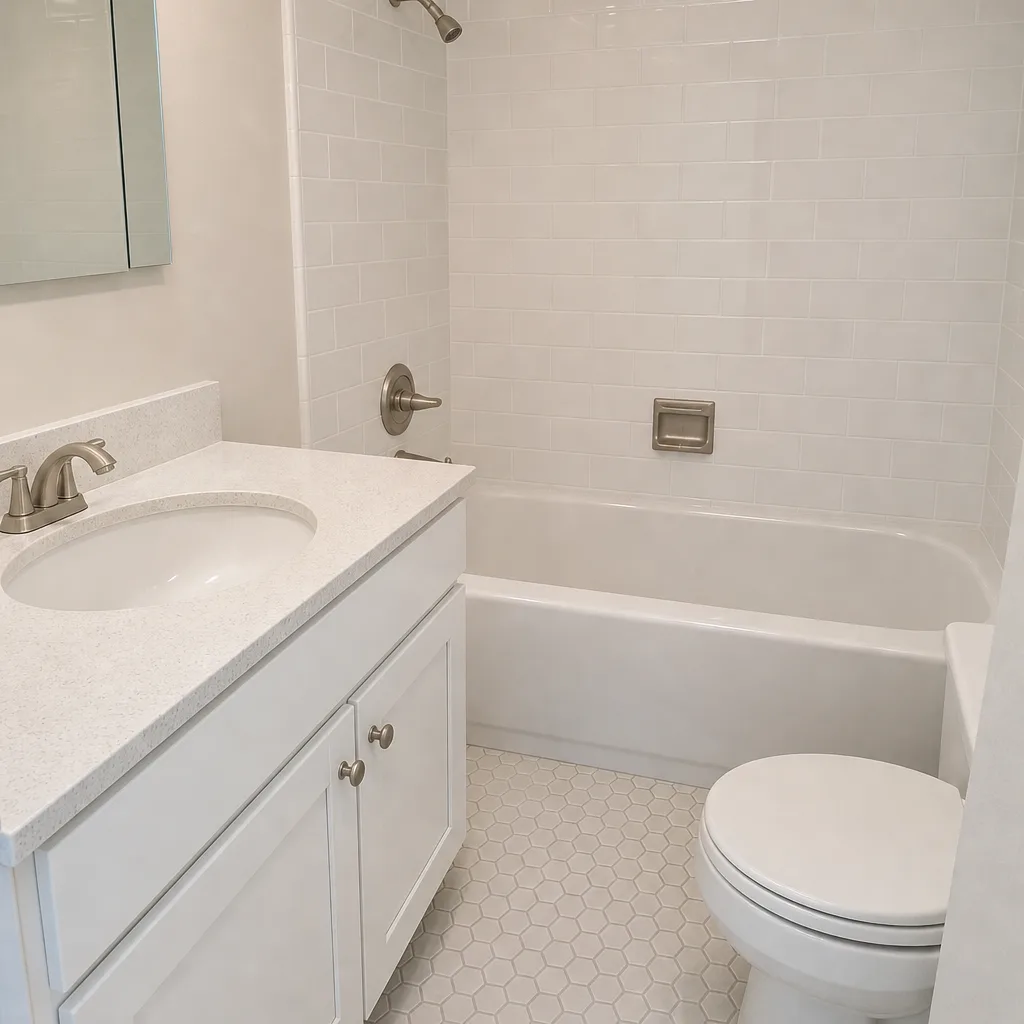
See the difference
 Before
 After
 Before
 After
 Before
 After
When to Call a Professional
Some situations are worth a second opinion before you act. Call a professional remodeler if your contractor is two or more draws ahead of completed work, if you’ve paid for materials that haven’t arrived in three weeks, if a subcontractor has asked you for money directly, if drywall has gone up without a confirmed inspection, or if the foreman has stopped responding for more than a couple of days. In each case, a licensed contractor can review the contract, walk the site, and tell you in plain terms what’s salvageable. It’s also worth calling if you’re at the pre-contract stage and want a written-price comparison before you commit to anyone. Bradford Remodeling Boulder City offers free estimates in Boulder City. Call (844) 797-9259 and a live person will answer.
Frequently Asked Questions
A draw request that’s running well ahead of completed work is the clearest signal, because it usually predicts every other problem that follows. If the contractor is asking for the third payment while the first phase is barely framed, ask for a line-item justification in writing before another check moves.
In most cases yes, provided your written contract has a termination or cure clause, and provided you notify the contractor in writing and give them the stated opportunity to correct the issue. Nevada Contractors Board rules require a written contract for residential work, which is what gives you standing. Read the termination clause and follow it exactly. If you’re unsure, call (844) 797-9259 for a free estimate review. We can at least tell you what your contract language says in practical terms.
Stop work, request the permit application record in writing, and contact the Boulder City building department to confirm permit status for your address. Work performed without a required permit usually has to be opened up and inspected retroactively, and the cost of that correction should not come out of your pocket.
You can’t verify it visually after drywall goes up, so the check has to happen before. Ask for dated photos of the framing walkthrough and note whether an inspector signed off. If you’re past that stage, look for doors that swing on their own, gaps at cabinet face frames in new installs, and visible waviness under raking light along a wall. Those are the tells.
A partial lien waiver should name the project address, the claimant (the subcontractor or supplier), the amount paid, the date of payment, and a statement that the claimant waives lien rights up to the amount received. Every draw should produce one from each sub and supplier who billed during that phase. If your general contractor hasn’t provided them, that’s a red flag worth slowing down for.
A full year is a reasonable floor, and it’s what we commit to with the 365-Day Done Right Promise. Materials carry their own manufacturer warranties on top of that. Ask any contractor you’re considering what their correction window is, in writing, before work begins. No written window means no real guarantee.
The Bottom Line

Mid-project warning signs fall into four categories: permits that don’t match the work, structural steps hidden behind drywall, money moving faster than labor, and communication falling off. Catching any one early is manageable. Catching a cluster late is expensive. The single best defense is a written contract with a defined scope and payment schedule, because that document is what lets you pause work and demand documentation with confidence. If you’re already mid-project and something feels off, get a second opinion. If you’re about to start, get multiple written prices before you sign anyone. Call (844) 797-9259 for a free estimate. Our team will walk your project and put the price and the guarantee in writing before any work begins. If you want a broader view of how we approach the whole home, our Bradford Remodeling Boulder City home page and our Kitchen Remodeling in Boulder City guide are good places to start.
Written by the team at Bradford Remodeling Boulder City.