Last updated November 17, 2026


Free written scope consultation - allowances, timeline, and change-order rules on paper before a single trade is scheduled
Construction Cost Breakdown: The Boulder City Homeowner’s Reference for 2026
If you pull a national average for a kitchen remodel, you’ll see a number around $45,000. That number is fiction in Boulder City. Not because contractors here are gouging, but because a city of roughly 7,000 people operates on different physics. Material delivery trucks charge a premium to come up the hill. The pool of available framers and electricians is thin, so their schedules fill and their rates reflect that scarcity. And the permit fee schedule at Boulder City’s building department doesn’t scale down the way you’d expect for a smaller jurisdiction. This guide breaks down the real 2026 costs for the five most common projects here, how to read an estimate so you know what you’re paying for, and how to build a budget that survives the inevitable surprises.
Quick Answer
In Boulder City, a mid-range kitchen remodel runs $58,000 to $82,000, a full bathroom remodel runs $18,000 to $32,000, and a 200-square-foot room addition runs $54,000 to $78,000. These figures include Boulder City permit fees and reflect the material delivery premiums and limited local labor pool that national averages ignore. A written, line-item estimate is the only way to know if your specific project lands inside those ranges.
Styles & brands we work with
- Kitchen remodeling
- Bathroom remodeling
- Home additions & ADU
- Roofing
- Windows & doors
- Driveway & pavers
- Fence
Table of Contents
- Kitchen Remodel Costs in Boulder City
- Bathroom Remodel Costs in Boulder City
- Room Addition Costs in Boulder City
- Exterior Stucco Repair and Roof Replacement Costs
- How to Read a Contractor Estimate
- The Real Cost of Change Orders
- Boulder City Permit and Inspection Fees
- What a Written-Price Guarantee Eliminates
Kitchen Remodel Costs in Boulder City
A kitchen remodel is the most common major project we quote in Boulder City, and it’s also where national pricing guides mislead the most. The reason is simple: cabinetry and countertops are heavy, bulky items that ship on freight trucks. When a delivery is routed to a small market like Boulder City, the freight company applies a minimum charge that doesn’t exist in a metro like Las Vegas. That premium gets passed to you, the homeowner. Similarly, the subcontractors who handle electrical and plumbing rough-in are fewer here, so their schedules are tighter and their rates reflect the lack of competition.
Here is a realistic line-item breakdown for a mid-range kitchen remodel in Boulder City for 2026:
- Cabinetry (KraftMaid or Wellborn): $14,000 – $22,000. Semi-custom lines are standard here; fully custom is rarely worth the freight premium.
- Countertops (Cambria or Caesarstone quartz): $5,500 – $9,000. Templating and installation require a specialized crew that travels from Henderson, which adds a trip charge.
- Labor (demo, framing, drywall, paint): $12,000 – $18,000. This is where the thin labor pool is most visible; a good crew books weeks out.
- Electrical and plumbing rough-in: $4,500 – $8,000. Moving a sink or adding a circuit adds cost; keeping the layout as-is keeps this number low.
- Fixtures (Kohler or Moen) and lighting: $2,500 – $4,500.
- Flooring (tile or luxury vinyl plank): $3,000 – $6,000.
- Permit fees (Boulder City): $800 – $1,400.
That puts a mid-range kitchen at $42,300 to $68,900, but the total almost always lands higher once you account for the 15% contingency we’ll cover later. For a deeper look at how we sequence a kitchen project here, see our Kitchen Remodeling in Boulder City page.
Bathroom Remodel Costs in Boulder City
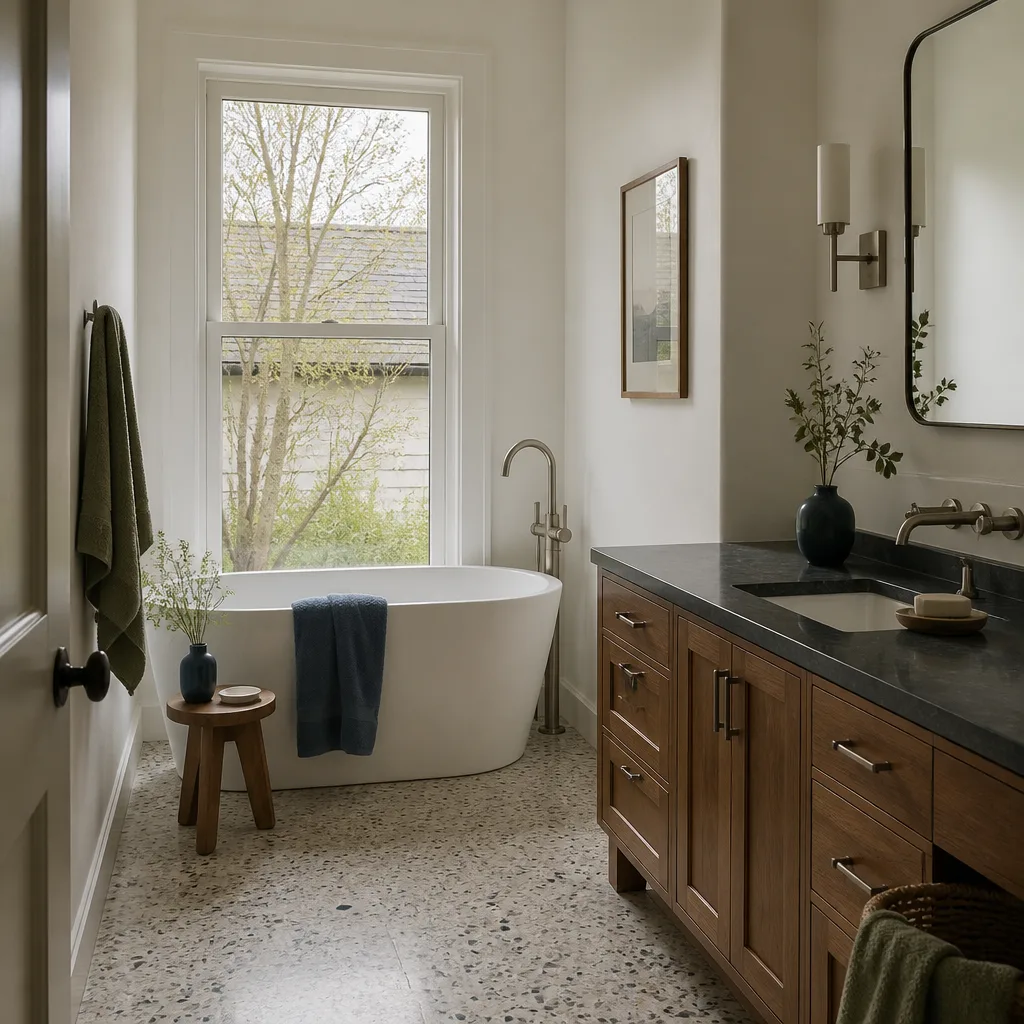
Bathrooms are smaller, but they pack more trades per square foot than any other room. A single 5×8 bathroom involves plumbing, electrical, tile, drywall, paint, and often a glass vendor. In Boulder City, the biggest cost driver is waterproofing. The desert climate here swings from intense summer heat to freezing winter nights, and that thermal movement stresses tile and grout. A proper shower build uses a bonded waterproofing membrane (like a sheet-applied or liquid-applied system) rather than the old method of greenboard behind tile. Skipping that step is the most common cause of the shower failures we get called to fix.
A realistic 2026 budget for a full bathroom remodel in Boulder City:
- Demo and disposal: $1,200 – $2,000.
- Plumbing rough-in and valve replacement: $2,500 – $4,500.
- Electrical (vanity lights, exhaust fan, GFCI outlets): $1,200 – $2,200.
- Tile (floor and shower walls): $3,500 – $6,500. This includes the waterproofing membrane, which is non-negotiable here.
- Vanity, sink, and fixture (Kohler or Moen): $2,800 – $5,500.
- Shower glass and door: $1,200 – $2,800.
- Permit and inspection fees: $400 – $700.
The total for a mid-range bathroom lands between $12,800 and $24,200, with most Boulder City projects settling around $18,000 to $22,000 once you choose a solid-surface countertop and a tile layout that isn’t a simple grid. Our Bathroom Remodeling in Boulder City team can walk you through the waterproofing options before you commit.
Room Addition Costs in Boulder City
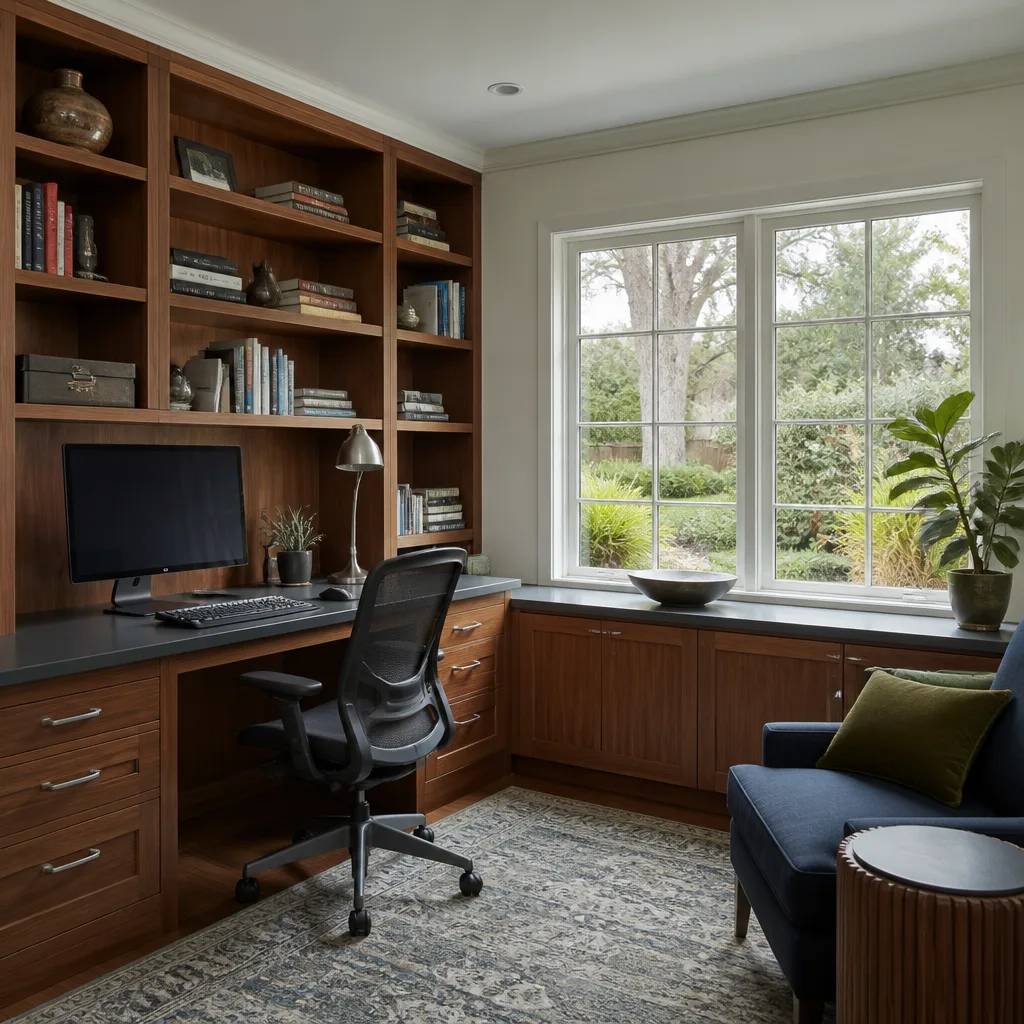
Adding a room is the most expensive per-square-foot project on this list, and for good reason. You’re not just building a box; you’re tying it into the existing structure, extending the mechanical systems, and meeting current energy code. In Boulder City, a 200-square-foot addition is the most common request, usually for a guest suite or a home office. The foundation work is where budgets surprise homeowners. Much of Boulder City sits on caliche, a cemented layer of soil that requires a jackhammer to break through. That means excavation costs can run 30% to 50% higher than a site with loose soil.
Here is the realistic 2026 breakdown for a 200-square-foot room addition:
- Architectural drawings and engineering: $3,500 – $6,000. Boulder City requires stamped plans for any structural addition.
- Permits and plan review: $1,800 – $3,200.
- Site prep and foundation: $8,000 – $14,000. Includes the caliche excavation premium.
- Framing, sheathing, and roofing: $14,000 – $20,000. Roofing ties into the existing structure, which is tricky work.
- Windows (Therma-Tru or equivalent) and exterior door: $3,000 – $5,500.
- Electrical, HVAC, and plumbing extension: $6,500 – $10,000. Extending an HVAC trunk line is often the hidden cost here.
- Insulation, drywall, and finish: $8,000 – $12,000.
- Exterior stucco and paint to match: $3,500 – $6,000.
The total lands between $52,300 and $76,700, which is why we tell homeowners to budget $58,000 to $78,000 for this project type. Our General Contractor in Boulder City service handles the plan review and inspection sequence for you.
Exterior Stucco Repair and Roof Replacement Costs
Boulder City’s climate is hard on exteriors. The ultraviolet index here is intense, and the summer heat causes stucco to expand and contract daily. Over time, hairline cracks open, and water gets behind the lath. Once that happens, the repair is no longer cosmetic. We regularly see this on homes built in the 1970s and 1980s, especially in the older neighborhoods near the historic district. A proper repair involves cutting out the damaged section, replacing the waterproofing layer, and reapplying a three-coat stucco system that matches the existing texture.
For roofing, the sun does the most damage. Asphalt shingles here degrade faster than the manufacturer’s rating suggests because of the UV exposure. A 30-year shingle might last 20 to 25 years here if it’s ventilated properly. A roof replacement for a typical 1,800-square-foot single-story home in Boulder City runs $9,500 to $16,000 with architectural shingles from GAF or CertainTeed. That includes tear-off, underlayment, flashing, and disposal. Steeper roofs or multiple pitches add $2,000 to $4,000. Stucco repair, by contrast, is priced by the section: expect $1,200 to $3,500 for a typical patch, and $6,000 to $12,000 if an entire wall is involved.
How to Read a Contractor Estimate
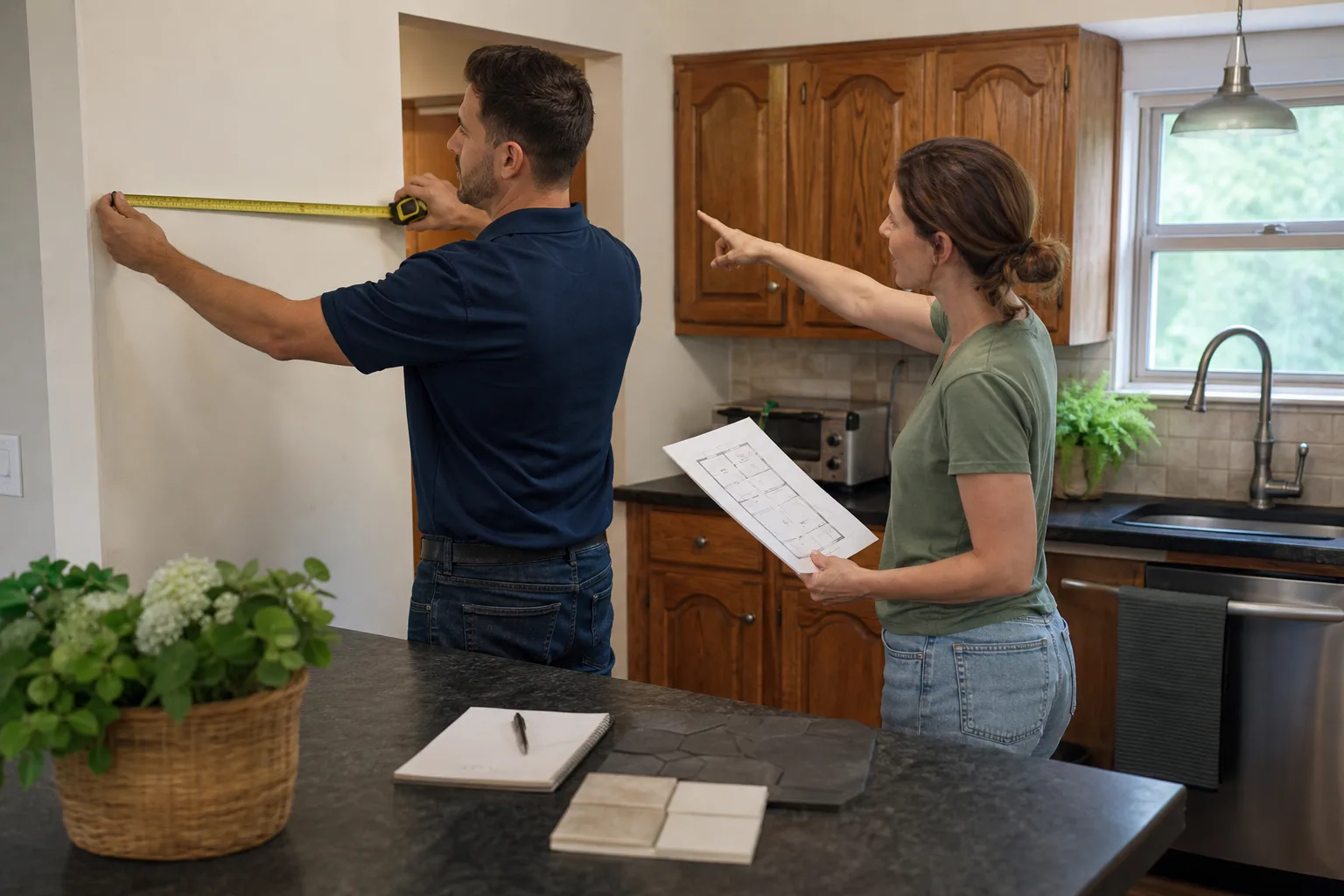
The single most important thing you can do as a homeowner is insist on a line-item estimate. A lump-sum bid that says “Kitchen Remodel: $65,000” is impossible to verify. You don’t know if you’re paying $20,000 for cabinets or $28,000. You don’t know if the labor is $15,000 or $25,000. When change orders come up, you have no baseline to compare them against. A line-item estimate separates material costs from labor costs, and lists the specific brands and models being installed. That last point matters: if the estimate says “faucet,” you have no idea if it’s a $90 builder-grade model or a $400 Grohe fixture.
Here is the sequence to follow when reviewing any bid:
- Check for a written scope. Every task should be listed, from demo to final paint. If something is missing, ask if it’s included or excluded.
- Verify the brand and model numbers. “Countertop” is not a spec. “Cambria Bellingham” is. This is how you know what you’re getting before you sign.
- Look for a line for permits. If the permit fee isn’t listed, the contractor may be planning to skip it, or may plan to surprise you with the fee later.
- Confirm the payment schedule. A deposit is normal. Paying 50% before any work starts is not. A schedule tied to milestones (demo complete, rough-in approved) is standard.
When you’re ready to compare bids, our Bradford Remodeling Boulder City home page explains how we structure our own written estimates.
The Real Cost of Change Orders
No matter how carefully you plan, something will change. You’ll decide to move the light switch. The tile you ordered will be discontinued. The wall behind the vanity will have water damage that no one could see. The question is not whether you’ll have a change order, but whether you have a budget that can absorb it. We tell every homeowner to add a 15% contingency to their baseline project cost. On a $60,000 kitchen, that’s $9,000. On a $20,000 bathroom, it’s $3,000. That number isn’t padding; it’s the cost of the unknown.
Some projects need a higher contingency. If you’re remodeling a home built before 1980, budget 20% to 25%. The plumbing and electrical in older Boulder City homes often don’t meet current code, and the inspector will require you to bring it up to standard once the walls are open. Additions that tie into existing rooflines also warrant a higher contingency because the tie-in detail can reveal framing that isn’t plumb or level. The rule is simple: the older the home and the more complex the tie-in, the higher the contingency. A written price with a clear change-order process is what keeps that number from spiraling. That’s what we mean by a squared-away job.
Boulder City Permit and Inspection Fees
Permit fees are one of the most overlooked line items in contractor estimates. In Boulder City, the fee schedule is based on the valuation of the project, but the city’s building department has a minimum fee that applies to every project, no matter how small. For 2025-2026, you should expect to pay $600 to $1,200 for a typical kitchen or bathroom remodel permit. A room addition pushes that to $1,800 to $3,200, largely because of the plan review and the number of inspections required (foundation, framing, electrical, plumbing, and final). Roof replacements are usually $350 to $700.
These fees are not negotiable and they are not optional. A reputable contractor will list them on the estimate as a pass-through cost. If a contractor tells you the permit is “included” but doesn’t show the number, ask for the line item. And always verify that the contractor is pulling the permit in their name. If they ask you to pull it as the homeowner, that’s a warning sign. It means they’re not licensed to pull it themselves, or they’re trying to avoid the inspection process. Our team pulls every permit and manages the inspection schedule as part of our general contracting service in Boulder City.
What a Written-Price Guarantee Eliminates
The Garrison Standard is the framework we use to run every project, and the core of it is simple: you get a written price before any work starts. That’s not a marketing line; it’s the mechanism that eliminates the most common way remodeling budgets fall apart. When the price is written down, line by line, with brands and models specified, there is no room for a surprise invoice at the end. If the price changes, it changes through a written change order that you sign before the work is done. That’s how you protect your budget.
This principle works for any contractor you hire, not just us. Ask for the written price. Ask for the line items. Ask for the contingency plan. And ask what happens if the work fails within a year. At Bradford Remodeling Boulder City, every completed project carries the 365-Day Done Right Promise. If the work fails inside that window, we come back and correct it at no charge. That’s a written guarantee in your hand at job close, not a verbal assurance. When you’re evaluating bids, use that same standard: if a contractor won’t put their workmanship guarantee in writing, you don’t have a guarantee.
Common Mistakes to Avoid
- Budgeting from national averages. A $45,000 kitchen on HomeAdvisor is not a $45,000 kitchen in Boulder City. The delivery premiums and labor scarcity here push costs higher, and the permit fees are fixed. Always ask for a local bid.
- Accepting a lump-sum bid without line items. If you can’t see the cost of the cabinets separately from the labor, you have no way to know if the price is fair or if the contractor is padding one line to cover another.
- Forgetting the 15% contingency. We’ve seen homeowners sign a contract for their entire budget and then panic when the first change order arrives. The contingency is not optional; it’s part of the project.
- Letting the contractor pull the permit in your name. If the permit is in your name, you are legally responsible for the inspections. A licensed contractor should pull the permit themselves.
- Skipping the waterproofing membrane in a shower. In Boulder City’s climate, the thermal movement will crack a traditional mortar bed within a few years. A bonded membrane costs more upfront but saves you a full rebuild later.
- Choosing a contractor based on the lowest bid. The lowest bid is often the one that forgot the permit fee, the disposal cost, or the contingency. Verify the scope before you compare the total.
See the difference
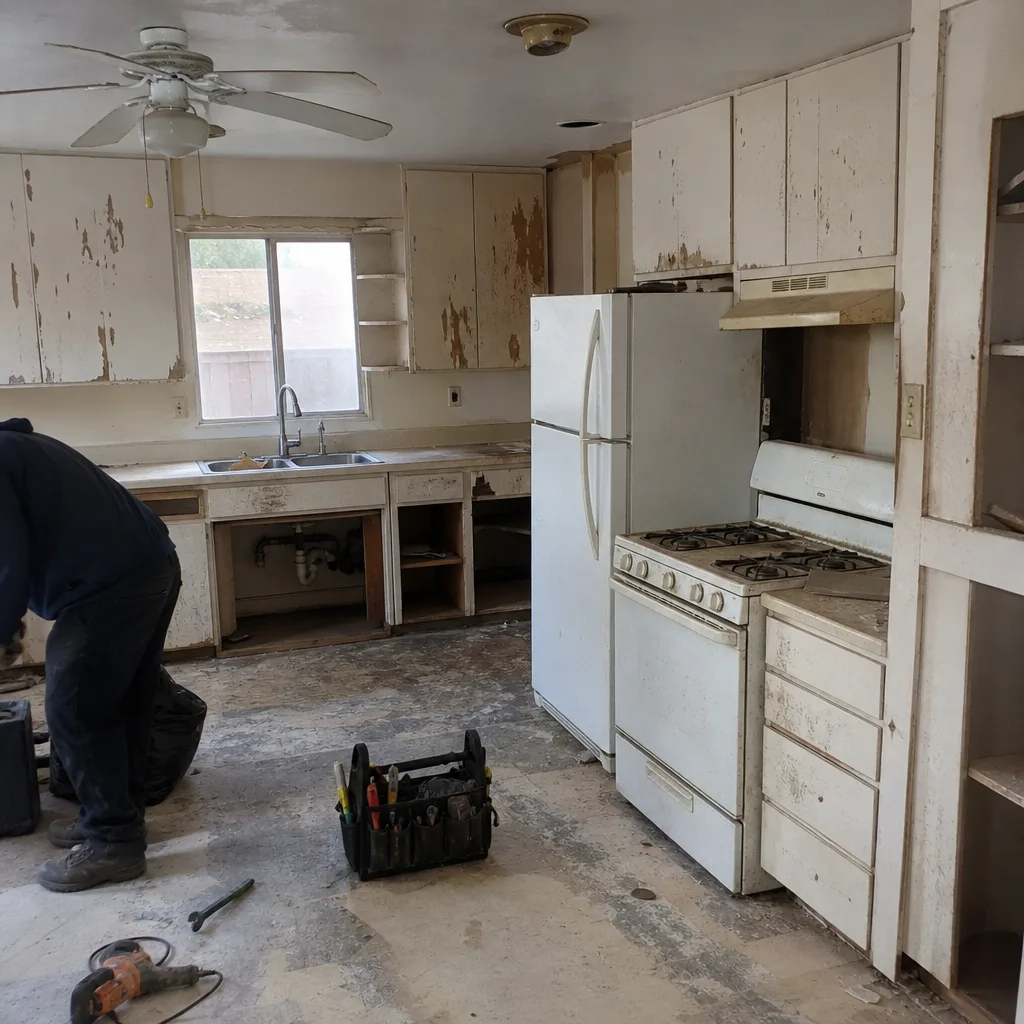 Before
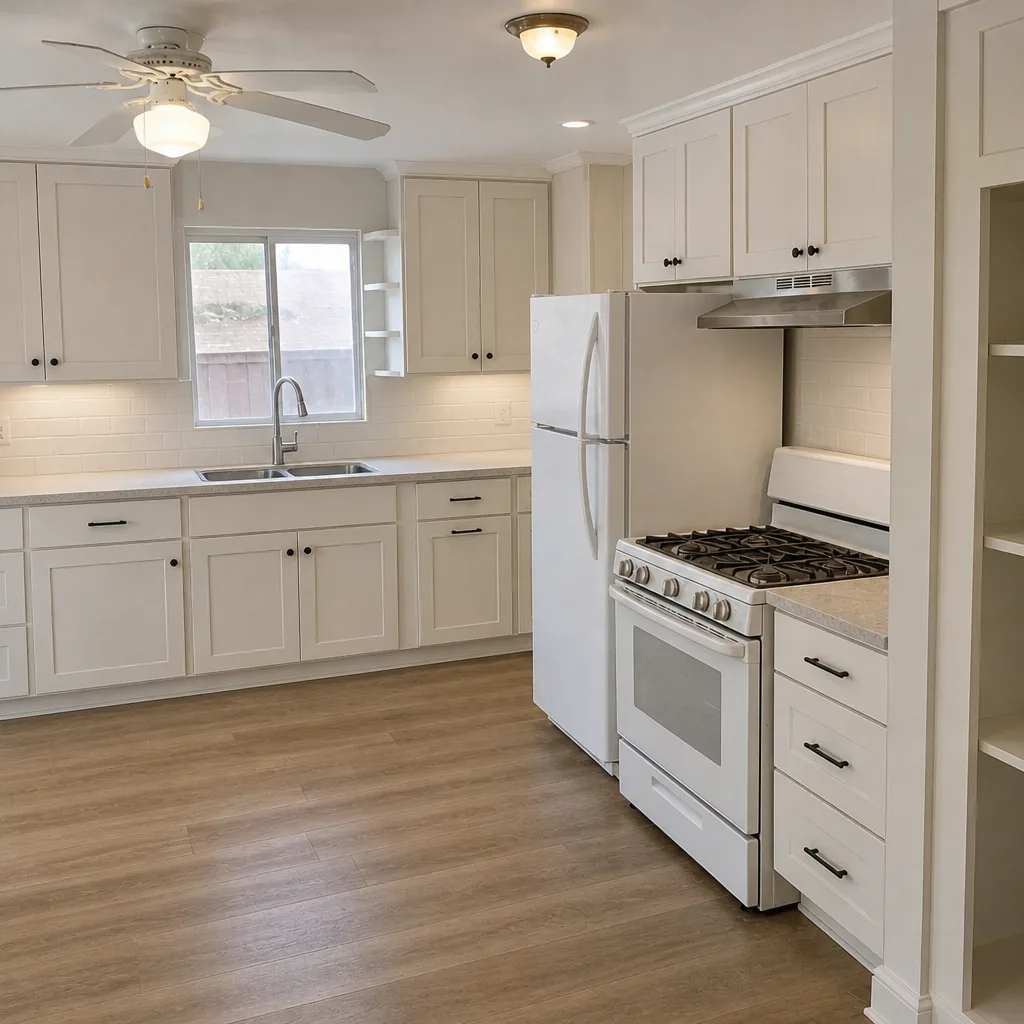 After
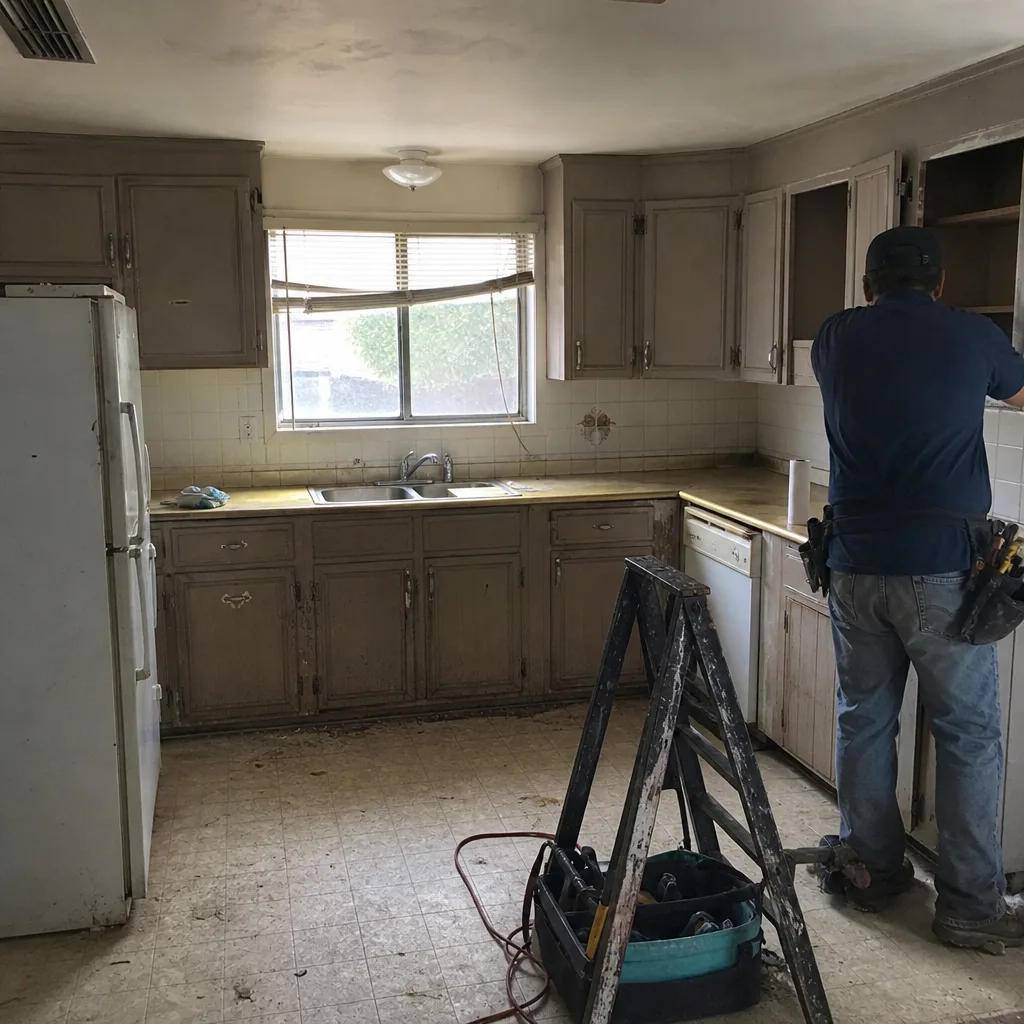 Before
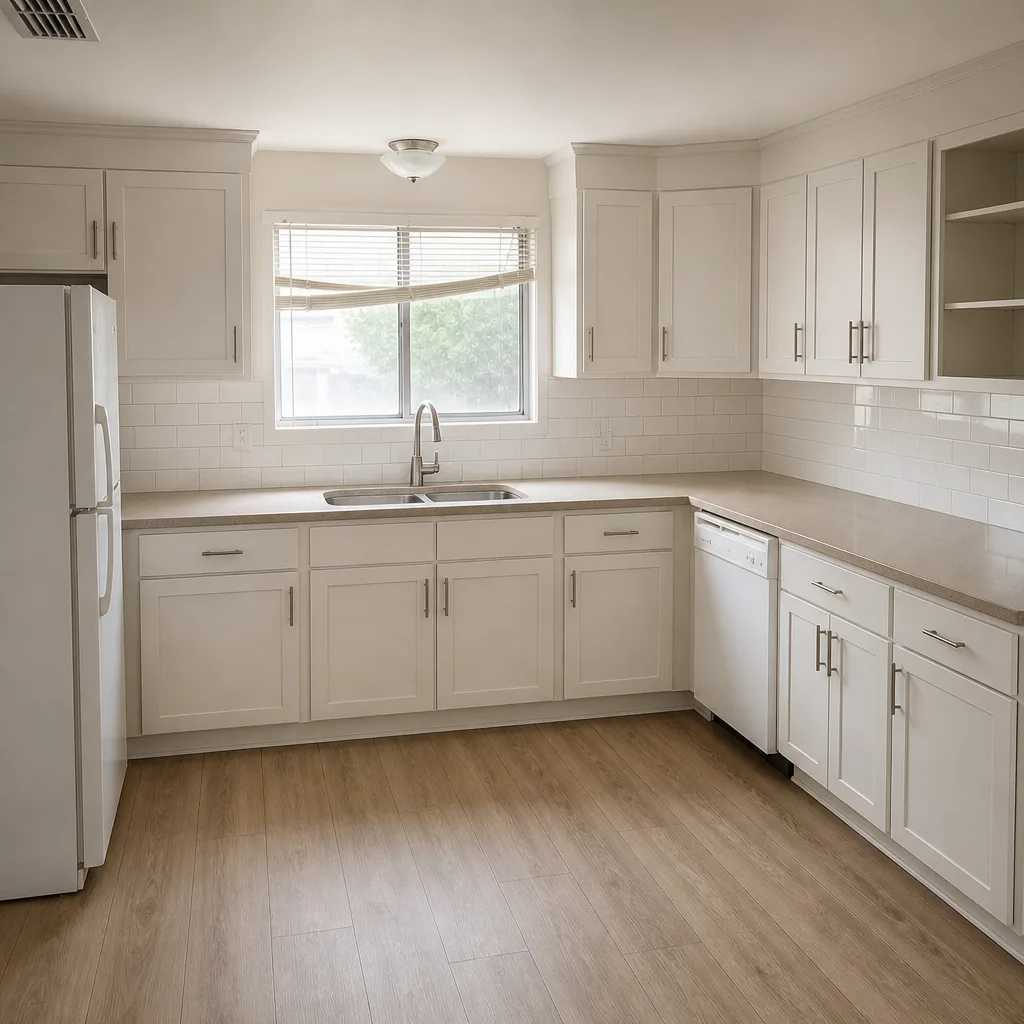 After
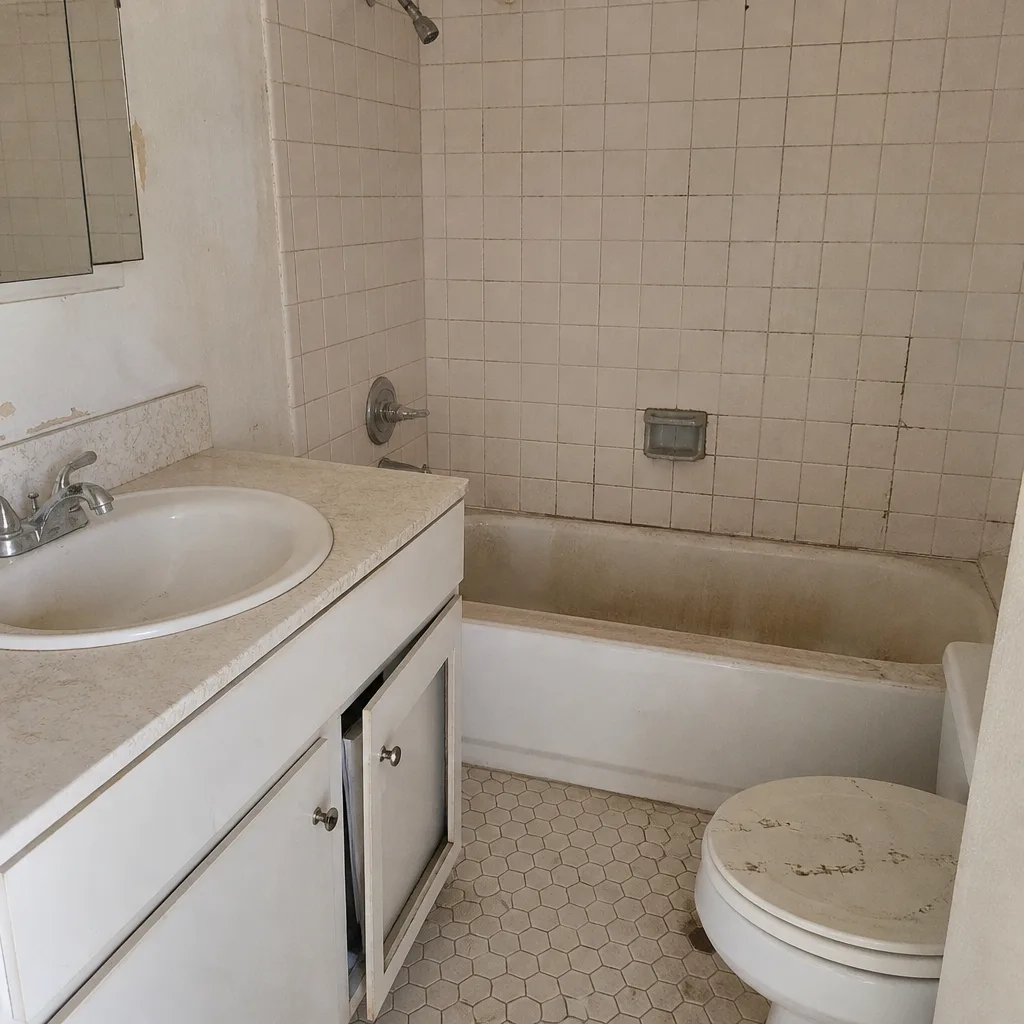 Before
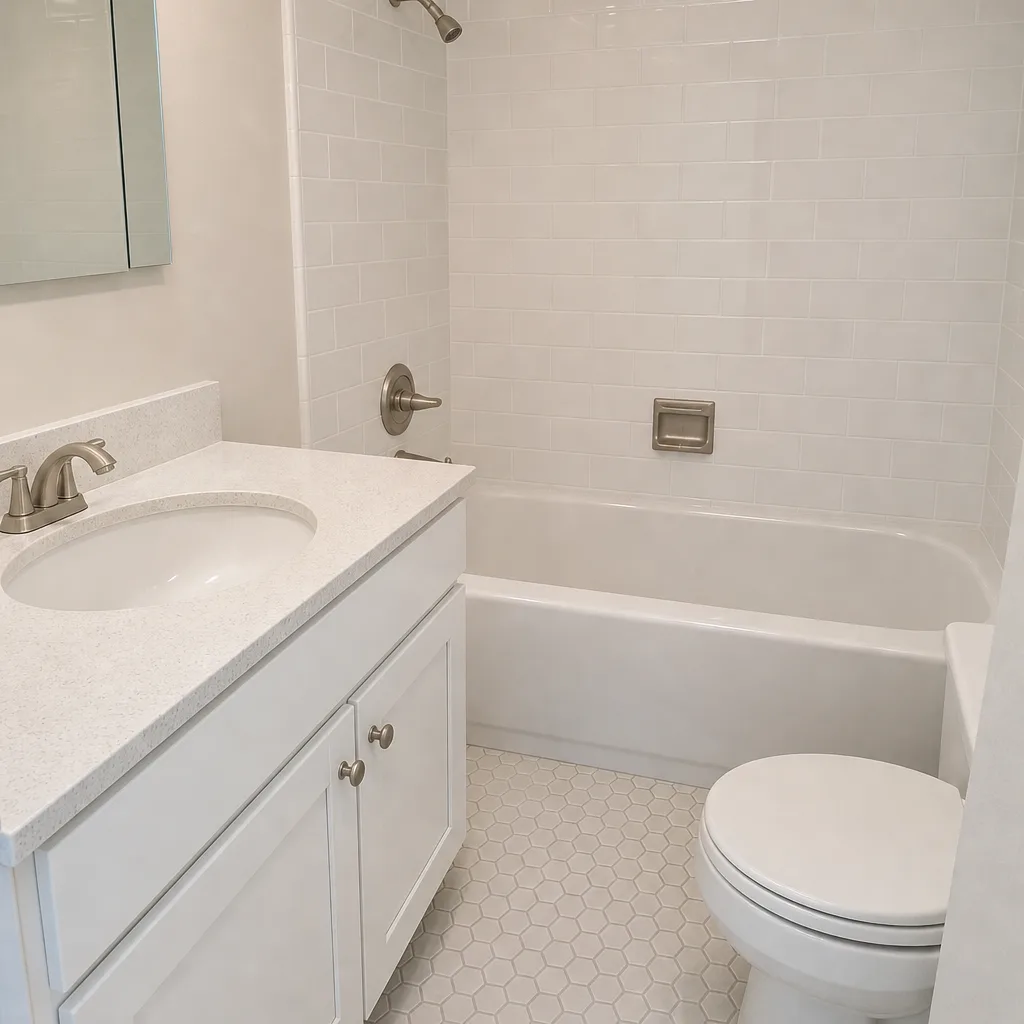 After
When to Call a Professional
Some projects are genuinely DIY-friendly: painting a bedroom, swapping a light fixture, or replacing a faucet. But the moment you’re moving a drain line, adding a circuit to the electrical panel, or opening a wall, you’re in professional territory. Electrical work, in particular, carries a real risk of fire if it’s done incorrectly, and Boulder City’s inspectors will require a licensed electrician to sign off on any new circuit. Roof work is another boundary; the pitch and height on most homes here make it a fall hazard, and a failed roof replacement can lead to water intrusion that damages the entire structure. If you’re unsure whether your project crosses that line, call us. Bradford Remodeling Boulder City offers free estimates in Boulder City. Call (844) 797-9259 to schedule yours.
Frequently Asked Questions
A mid-range kitchen remodel in Boulder City costs $58,000 to $82,000 in 2026, including permit fees and a 15% contingency. The range is higher than national averages because material delivery to a small market carries a freight premium and the local labor pool is limited. Call (844) 797-9259 for an exact quote based on your kitchen’s layout and finishes; estimates are free.
Remodeling costs in Boulder City run 10% to 20% higher than comparable work in Las Vegas because of three factors: freight minimums on heavy materials like cabinetry and countertops, a smaller pool of available subcontractors, and a permit fee schedule that doesn’t scale down for smaller projects. The difference isn’t gouging; it’s the economics of a small market.
Yes, any bathroom remodel that involves moving plumbing, electrical, or structural work requires a permit from Boulder City’s building department. Cosmetic updates like painting or replacing a vanity top without moving the plumbing usually do not. When in doubt, pull the permit; the fee is far less than the cost of redoing work that fails inspection.
A mid-range kitchen remodel in Boulder City takes 6 to 10 weeks from demo to final inspection, assuming materials are ordered and on site before work begins. The timeline stretches if you’re waiting on custom cabinetry or if the inspection schedule is backed up. A written schedule with milestones is the best way to keep the project on track.
The 365-Day Done Right Promise is our written guarantee that covers every completed project for a full year. If the work fails within that window, we return and correct it at no charge. It’s not a verbal assurance; it’s a signed document you hold at job close. That’s the standard we hold ourselves to, and it’s the standard you should ask for from any contractor.
The price only changes if you approve a written change order. That’s the core of The Garrison Standard: a written price before any work starts, with no numbers that move at the door. If we find something behind the wall that no one could see, we document it, price the fix, and get your signature before we proceed. Call (844) 797-9259 to see how that works on your project.
The Bottom Line
National cost guides are a starting point, not a budget. In Boulder City, the real numbers for 2026 are shaped by delivery premiums, a thin labor pool, and a permit fee schedule that doesn’t scale down. A mid-range kitchen lands at $58,000 to $82,000, a bathroom at $18,000 to $32,000, and a room addition at $54,000 to $78,000. Add a 15% contingency, insist on a line-item estimate, and verify that the permit is pulled in the contractor’s name. Those three steps will protect your budget better than any national average. And when you’re ready for a written price that doesn’t move, call Bradford Remodeling Boulder City at (844) 797-9259 for a free estimate.
Written by the team at Bradford Remodeling Boulder City.