Last updated November 17, 2026




Free written scope consultation - allowances, timeline, and change-order rules on paper before a single trade is scheduled
Construction Permits, Codes & Inspections in NV: What You Need to Know
Boulder City operates its own building department, independent of Clark County. That one fact trips up more homeowners than any other in southern Nevada. A remodel that’s routine in Henderson – a quick application, a standard fee schedule, a familiar inspection queue – requires a separate application, a different fee sheet, and a different set of inspectors when the same work happens inside Boulder City limits. Homeowners who assume county rules follow them across the line are the ones who end up with a stop-work notice stapled to their front door. This guide walks through which projects need a permit, how the state and local rules fit together, how inspections actually get scheduled, and what unpermitted work does to your insurance and your title when you sell. If you’re planning a project in Boulder City, read this before you sign anything.
Quick Answer
In Nevada, construction permitting is handled at the county and municipal level, not by a single statewide office. Boulder City issues its own residential permits through its own building department, separate from Clark County, so a project inside city limits needs a Boulder City permit and a Boulder City inspection – not a Clark County one. Contractor licensing, on the other hand, is a state function governed by the Nevada Revised Statutes (NRS 624). Structural, electrical, plumbing, and mechanical work almost always requires a permit; cosmetic work like paint and flooring typically does not. Always confirm with the Boulder City building department before work starts.
Styles & brands we work with
- Kitchen remodeling
- Bathroom remodeling
- Home additions & ADU
- Roofing
- Windows & doors
- Driveway & pavers
- Fence
Table of Contents
- Who Actually Issues Your Permit in Nevada?
- Which Projects Require a Boulder City Permit?
- How Nevada Contractor Licensing Interacts With Local Code
- How Inspections Work in Boulder City
- What Unpermitted Work Does to Your Insurance and Your Title
- Fixing a Previous Owner’s Unpermitted Work
- Why Boulder City’s Climate Changes the Code Conversation
- Common Mistakes to Avoid
Who Actually Issues Your Permit in Nevada?
Nevada does not have a single statewide building department that signs off on residential construction. Permitting authority is delegated down to the counties and, in some cases, to individual cities. Clark County runs the Las Vegas Valley’s permitting for unincorporated areas and its own municipalities, but Boulder City is a charter city with its own building department. That independence is real, and it matters from the first phone call.
Here’s what that looks like in practice:
- Boulder City limits: Permits are issued by the Boulder City building department. Inspections are scheduled through that office, on that office’s timeline.
- Henderson, Las Vegas, North Las Vegas: Each has its own permitting operation or falls under Clark County’s jurisdiction. A permit pulled in one does not travel to another.
- Unincorporated Clark County: Clark County handles permitting directly.
If you’re remodeling a kitchen or finishing a basement in Boulder City, the application goes to Boulder City. Full stop. We’ve seen homeowners hand a contractor a Henderson permit number and assume it covers the Boulder City job because the address is “basically the same area.” It doesn’t. The result is a stop-work order, a re-application, and a project that sits idle for weeks while the paperwork catches up. The permit belongs to the property’s jurisdiction, not to the contractor’s home base.
The takeaway: before any project, verify which authority has jurisdiction over your specific address. If you’re inside Boulder City limits, that’s Boulder City. Building a general contractor in Boulder City relationship starts with that phone call.
Which Projects Require a Boulder City Permit?
Nevada residential code follows the general rule that structural, electrical, plumbing, and mechanical work requires a permit. Cosmetic and finish work usually doesn’t. But thresholds matter, and the specifics are where homeowners get surprised. The figures below reflect the current code cycle for 2025-2026; always confirm with the Boulder City building department before you start, because local amendments and fee schedules can shift.
Work that typically requires a Boulder City permit:
- Any addition, bump-out, or new square footage (no minimum threshold)
- Structural alterations: removing or modifying load-bearing walls, cutting new openings, adding beams
- Electrical panel upgrades, new circuits, or any new wiring
- Plumbing rough-in changes, new fixtures that alter supply or drain lines, water heater replacements
- HVAC system replacements or new mechanical installations
- Decks over 30 inches above grade, or any deck attached to the structure
- Fences over 6 feet in height, and all retaining walls over 4 feet
- Pools and spas (with separate barrier and safety requirements)
- Solar installations
- Roof replacements when the substrate or sheathing is being altered
Work that typically does not require a permit:
- Interior and exterior painting
- Flooring replacement over an existing substrate
- Cabinetry and countertop swaps that don’t touch plumbing or electrical
- Fence replacement in-kind under 6 feet
- Minor cosmetic repairs
The dollar-value rule of thumb: projects under roughly $1,000 in total valuation that don’t involve structural, electrical, plumbing, or mechanical work generally don’t need a permit. Above that, and especially when systems are involved, assume you do. A bathroom remodel that moves a drain and adds a circuit is a permitted project even if the total is modest – the trigger is the system work, not the cost. When our team handles bathroom remodeling in Boulder City, we pull the permit before demolition, every time.
How Nevada Contractor Licensing Interacts With Local Code
Nevada separates two things that homeowners often blend together: the contractor’s license and the project’s permit. They’re managed by different authorities and one doesn’t substitute for the other.
Contractor licensing is governed by the Nevada Revised Statutes, Chapter 624, administered by the Nevada State Contractors Board. Under NRS 624, anyone who contracts to construct, alter, repair, or improve a structure for $1,000 or more in combined labor and materials must hold a valid state contractor’s license. That’s a state credential, not a city one. A licensed contractor can legally contract in Boulder City or anywhere else in Nevada, provided the license classification matches the work.
The Boulder City permit, by contrast, is a property-level authorization: it says this specific work at this specific address has been reviewed and approved. The two have to meet. A state-licensed contractor who pulls a Boulder City permit is doing it right. A state-licensed contractor who skips the permit has the license but not the authorization – and that’s a code violation.
What to verify before you hire anyone:
- Ask for the Nevada State Contractors Board license number and confirm it’s active and classified for your type of work.
- Confirm the license is in the name of the company doing the work, not a subcontractor standing in.
- Ask who will pull the permit – it should be the contractor or you, never “we’ll handle it later.”
- Get the permit number in writing before demolition begins.
- Check that the contractor carries current general liability insurance; ask for the certificate.
Boulder City doesn’t issue its own contractor license – it relies on the state credential and checks it at the permit stage. That’s why a homeowner who hires an unlicensed “handyman” for a $15,000 kitchen gut often discovers the problem only when the permit office asks for a license number that doesn’t exist.
How Inspections Work in Boulder City
Once a Boulder City permit is issued, inspections are scheduled through the Boulder City building department. The sequence generally follows the phases of work, and each phase has to pass before the next one can proceed. Skipping a phase inspection – covering a rough-in before it’s been signed off – is one of the most common reasons a project gets held up at final.
The typical inspection sequence for a residential remodel:
- Pre-construction / footing inspection – for additions, decks, and structural work
- Foundation or slab inspection – before concrete is poured
- Framing inspection – after framing is complete, before insulation and drywall
- Rough-in inspections – electrical, plumbing, and mechanical, all done before walls close up
- Insulation inspection
- Drywall and final finish inspections
- Final inspection – the last sign-off before occupancy
Lead times and re-inspection fees: Boulder City’s inspection queue is smaller than Clark County’s, which means scheduling can be faster but the calendar fills quickly during peak remodel season (spring and early fall). Build a 24- to 48-hour scheduling window into your timeline for routine inspections, and expect occasional longer waits during heavy permit months. Re-inspections – when work fails the first pass – typically carry a re-inspection fee, and those fees stack. The cheapest inspection is the one that passes the first time.
What triggers a mandatory third-party inspection: Certain structural engineering items, special inspection requirements for specific construction types, and any work involving engineered or proprietary systems can require a third-party inspector approved by the building department. Solar structural attachments and complex additions sometimes fall here. Your contractor should know before the permit is issued whether the project has a third-party component, because it changes the schedule and the cost.
We schedule inspections the day the phase is ready – not “next week when we get to it.” A squared-away project has the inspection request in before the crew leaves the site. When we handle kitchen remodeling in Boulder City, rough-in and final inspections are built into the written schedule you get up front.
What Unpermitted Work Does to Your Insurance and Your Title
Unpermitted work is a quiet problem until it isn’t. It sits dormant for years, then surfaces at the worst possible moment: a claim, a sale, or a refinance.
How it hits homeowner’s insurance:
- Insurers can deny a claim tied to work that was never inspected, citing the lack of code compliance as a coverage exclusion.
- If a fire is traced to unpermitted electrical work, the carrier may investigate the permit history before paying – and decline the structural portion of the claim.
- Some policies require disclosure of unpermitted improvements at renewal; failing to disclose can void coverage.
How it hits title when you sell:
- Buyers’ lenders require permit history for financed purchases. A finished basement or addition with no permit on record can stall the loan.
- Title companies in Nevada routinely pull permit history during the title search. Missing permits for structural additions show up as open items.
- Unpermitted work disclosed at sale often means a price reduction, a repair credit, or a buyer walking.
In our experience, Boulder City properties near the historic district – the older homes around Nevada Way and the streets off the old downtown core – carry the highest risk, because decades of smaller additions and rehabs were sometimes done without permits back when enforcement was lighter. Those are exactly the homes where a title search turns up a surprise. A permitted project isn’t just a legal formality; it’s the paper trail that protects your resale value and your insurance coverage.
Fixing a Previous Owner’s Unpermitted Work
If you’ve discovered unpermitted work on a home you bought, you’re not stuck. Boulder City allows a retrospective permit pathway – a permit applied for after the work is already done. It’s more involved than a front-end permit, and it’s the correct way to make the work legal.
The retrospective permit process:
- Discovery – pull the permit history at the Boulder City building department for your address. Compare what’s on record to what’s actually built.
- Consultation – contact the building department and describe the work. Ask what documentation they’ll require.
- Application – file a retrospective permit with drawings, photos, and a description of the existing work.
- Inspection and possible opening – the inspector evaluates the work as-built. Work that’s covered – behind drywall, under flooring – may need to be opened up for inspection. Budget for this.
- Correction – if the inspector finds code violations, the work has to be brought up to current code. This can range from minor to significant depending on age.
- Final sign-off – once the work passes inspection as corrected, the permit is closed and the history is clean.
A few practical notes specific to Boulder City: retrospective permits for electrical and plumbing work often require opening walls to prove the work meets current code, which means a finish repair afterward. Structural work may need an engineer’s letter. The fee schedule is similar to a front-end permit but with an additional processing component for the review. Factor in time – retrospective permits take longer than new ones because the inspector is evaluating completed work they can’t see. If the project is large, consider having a licensed contractor pull the retrospective permit rather than doing the application yourself.
Why Boulder City’s Climate Changes the Code Conversation
Boulder City sits at about 2,400 feet in the Mojave Desert, on the edge of the Lake Mead basin. That climate shapes which permit items matter most, and it’s a detail that shows up in inspection findings here more than in other parts of the valley.
- Extreme heat cycling: Summer highs regularly exceed 105°F. Roofing assemblies and deck attachments take repeated thermal expansion; we see more fastener and flashing failures here than in the cooler Las Vegas Valley floor, which is why roof replacements that alter sheathing get permitted and inspected closely.
- Soils and slab work: Expansive desert soils mean footing inspections for additions matter – the inspector will check depth and reinforcement before the concrete pour. Sakrete and Quikrete mixes meet specification; the inspection is about the pour and the reinforcement, not the bag.
- Water and drainage: Boulder City’s water situation and the presence of older infrastructure mean plumbing rough-ins get a careful look, especially on pre-1980 homes with galvanized supply lines.
- Radon and vapor barriers: New construction and slab-on-grade additions are checked for vapor barrier installation during the foundation phase – a permit requirement that’s easy to overlook.
The historic character of Boulder City’s older neighborhoods also plays in. Homes near the old downtown and the district off Nevada Way often have original construction details that trigger code questions when a modern addition is attached. A well-run project budgets for that conversation at the permit stage, not at inspection.
Common Mistakes to Avoid
- Assuming Clark County rules apply in Boulder City. This is the most common reason Boulder City projects get stop-work orders. Verify jurisdiction by address before you plan anything.
- Pulling the permit in the wrong name. The permit should be in the property owner’s name or the licensed contractor’s name, not a driver’s license from out of state or a PO box. The wrong name stalls the final inspection.
- Covering rough-in before it’s inspected. Drywall over unapproved electrical or plumbing means the walls come back open. Schedule the rough-in inspection the day the phase is ready.
- Skipping the final inspection. A project with an open final inspection has an open permit on record – and that open permit surfaces at sale.
- Assuming a handyman quote is a permit-free quote. Under NRS 624, any contractor doing $1,000 or more of combined labor and materials must be licensed; a permit-free quote on a structural job is a warning sign, not a bargain.
- Not reviewing the permit history before buying. In Boulder City’s older neighborhoods, an unpermitted addition from thirty years ago is a real and common find. Pull the history during due diligence.
- Ignoring the retrospective permit pathway. Discovering unpermitted work and doing nothing about it is a worse position than making it legal. The retrospective permit exists for exactly this.
See the difference
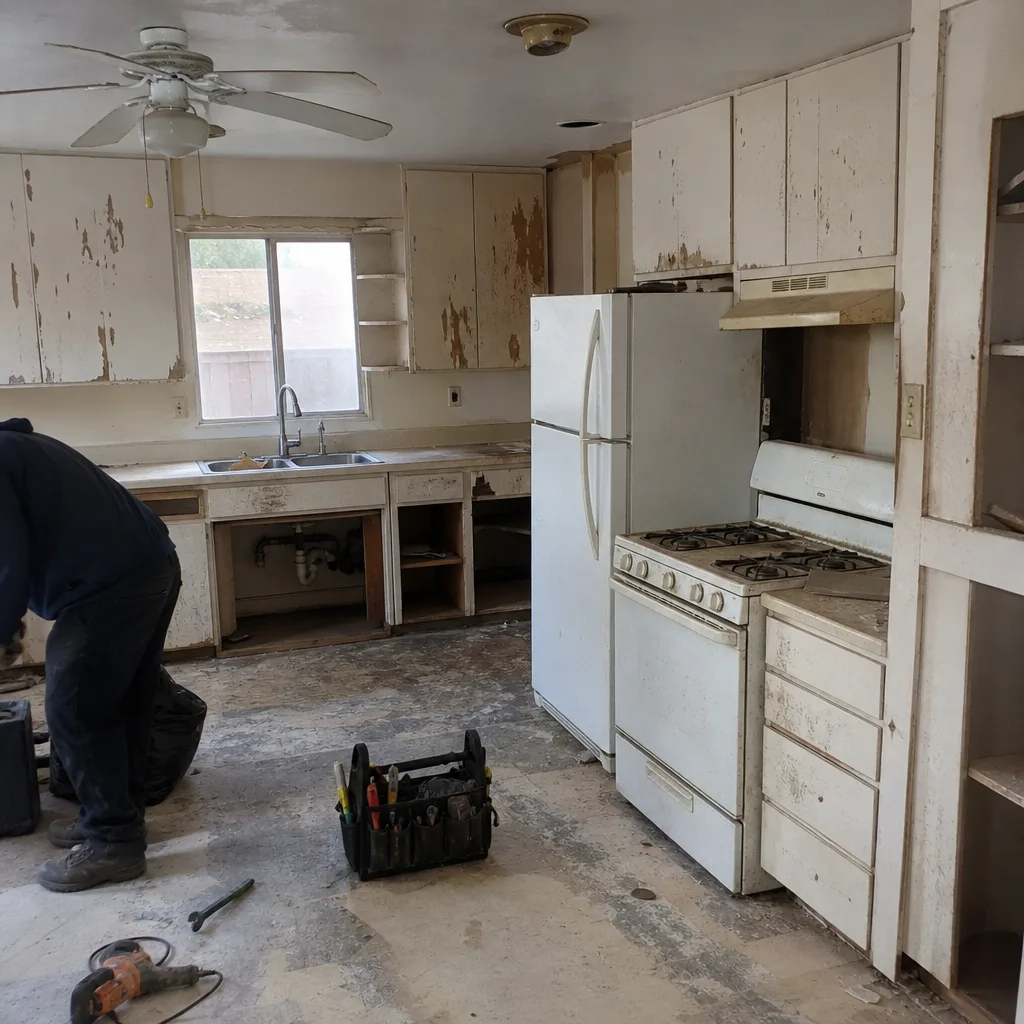 Before
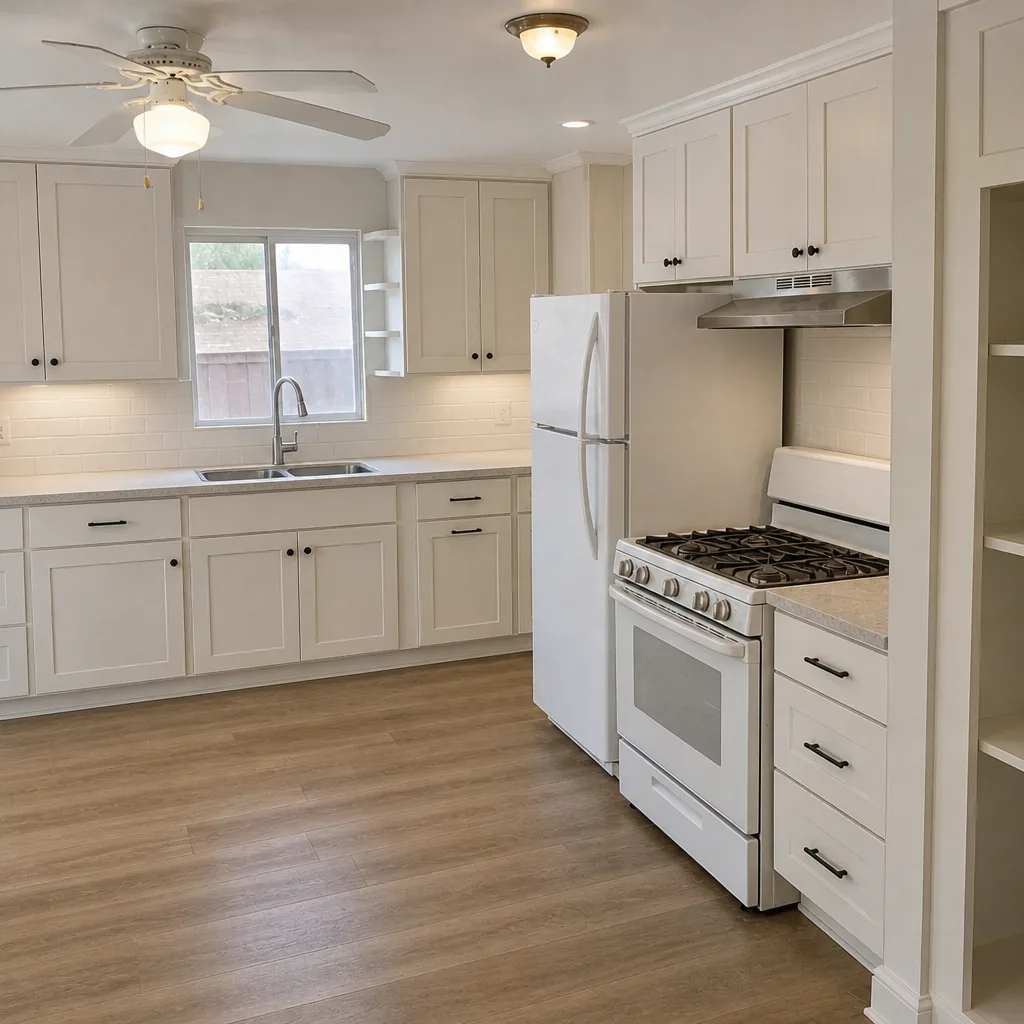 After
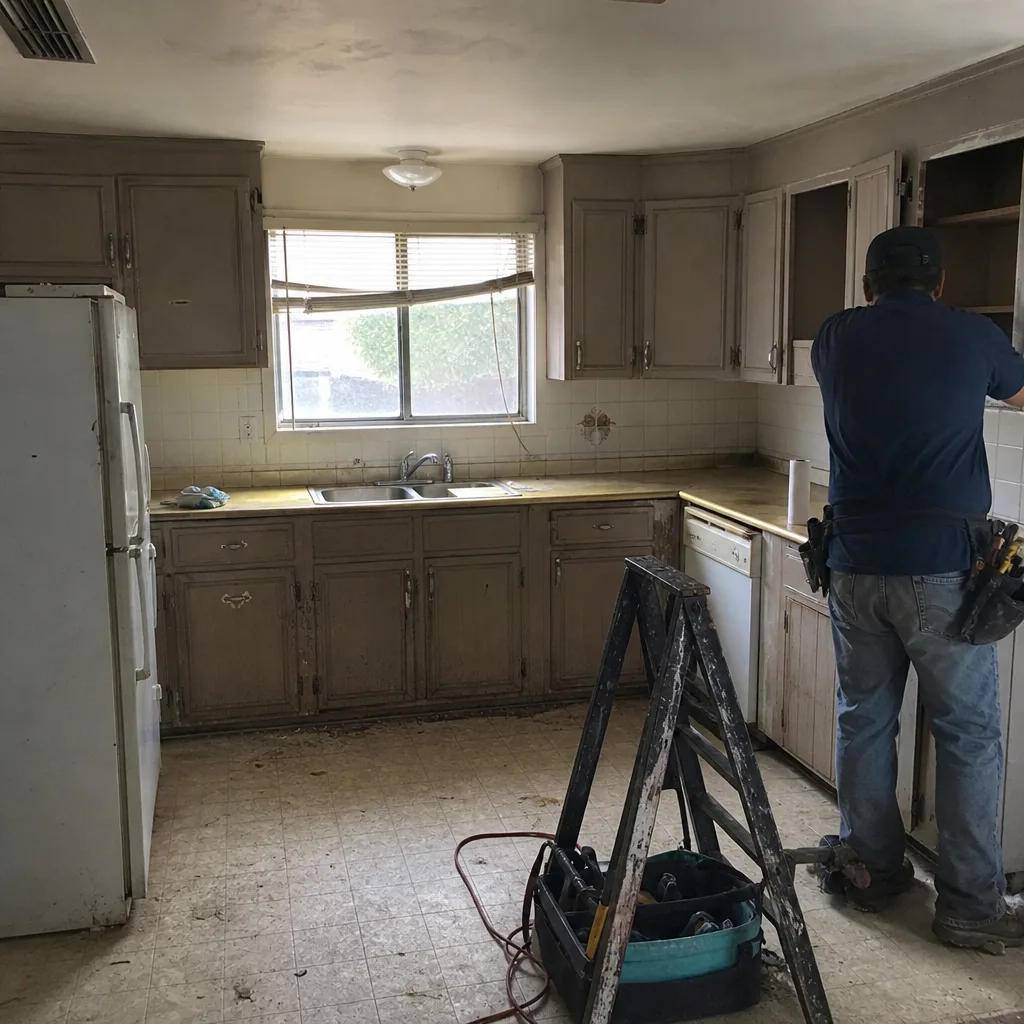 Before
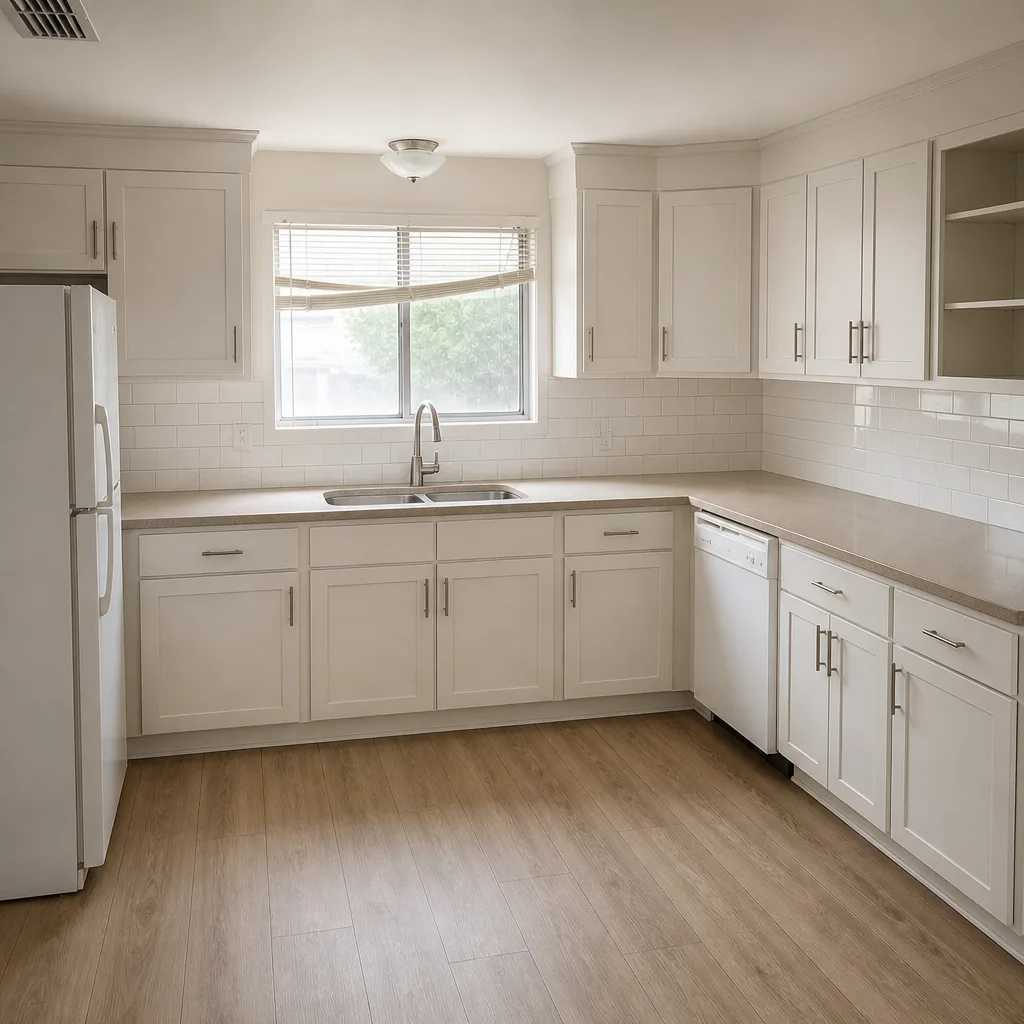 After
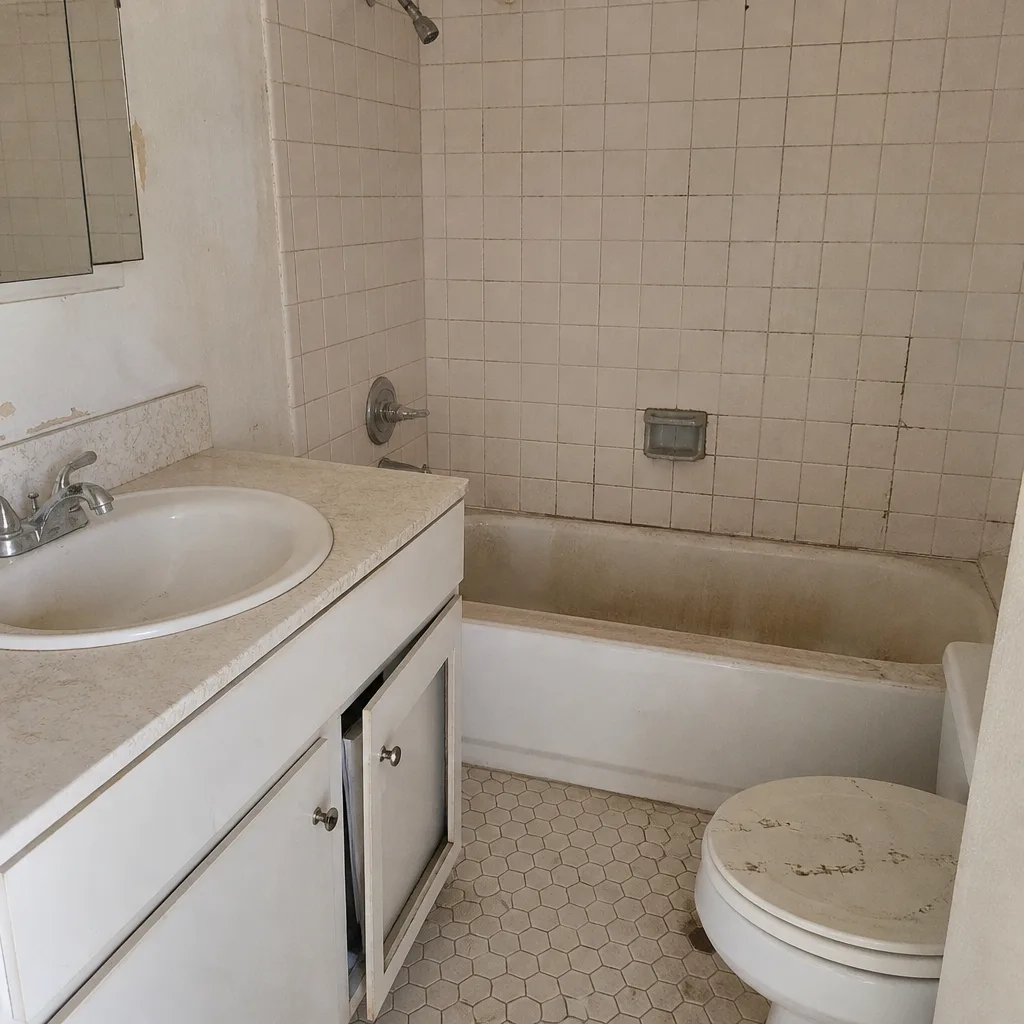 Before
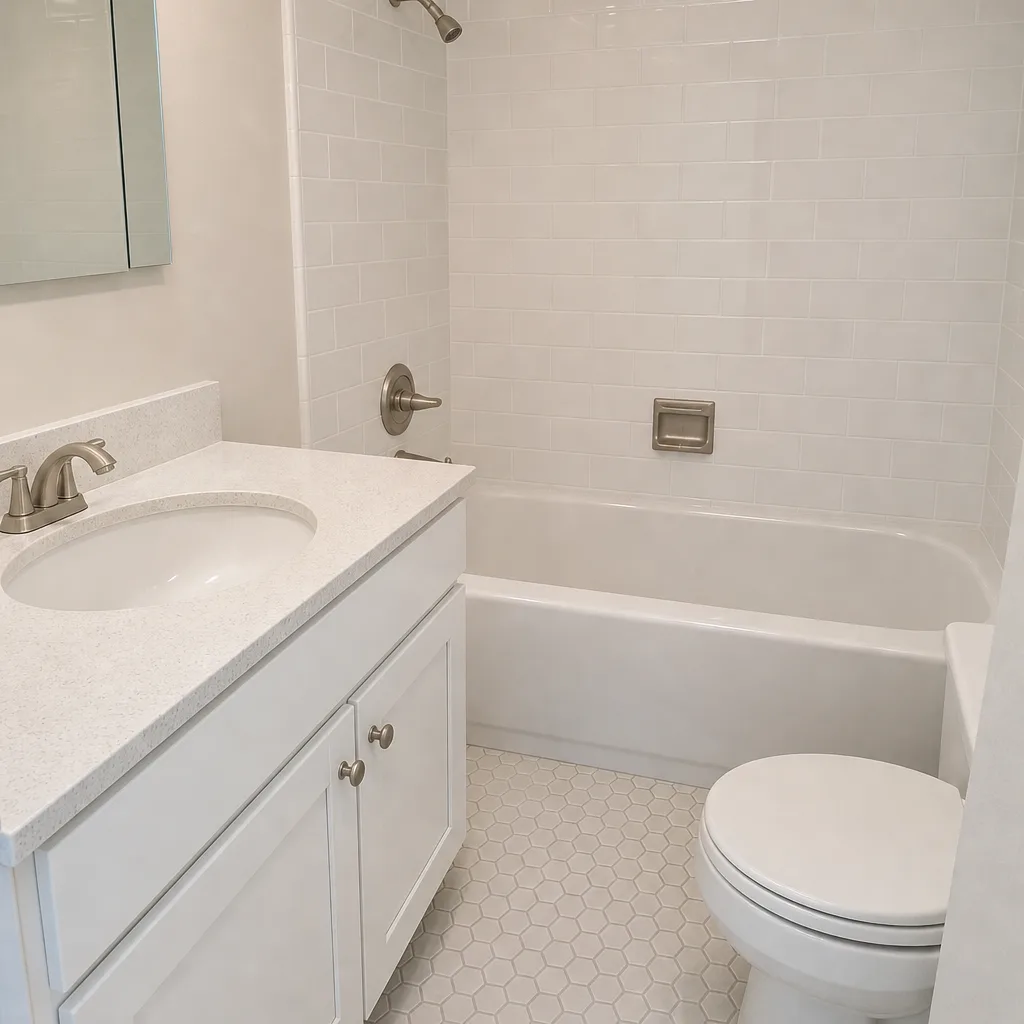 After
When to Call a Professional

Some permit questions are simple: paint doesn’t need a permit, and neither does a flooring swap. But bring in a licensed professional when the work involves structural changes, electrical panel work, plumbing rough-in, HVAC replacement, additions, or anything over the $1,000 threshold under NRS 624. Call us when the permit history is unclear, when a previous owner’s work needs to be made legal, or when you’re planning a project that combines multiple systems – the kind where one wrong permit classification delays the whole job.
If a permitted project has already stalled, or you’ve received a notice, a licensed contractor who works regularly with the Boulder City building department can help sort out what’s required and in what order. Our technicians have up to 22 years of experience navigating exactly these situations. Bradford Remodeling Boulder City offers free estimates in Boulder City – call (844) 797-9259. We’ll give you a written price before any work starts, and the 365-Day Done Right Promise backs the finished project for a full year.
Frequently Asked Questions
Yes, if the remodel moves plumbing, adds or changes electrical circuits, alters structural elements, or involves mechanical work. Cosmetic swaps – paint, countertops, cabinet faces – generally don’t require a permit. Because Boulder City issues its own permits separately from Clark County, confirm the scope with the Boulder City building department before work begins. When we handle kitchen remodeling in Boulder City, the permit is pulled before demolition. Call (844) 797-9259 for a free estimate with the permit scope written in.
No. Boulder City operates its own building department and does not accept Clark County permits. A project inside Boulder City limits needs a Boulder City permit, a Boulder City fee schedule, and Boulder City inspections. Assuming otherwise is the single most common cause of stop-work orders in the city.
You risk a stop-work order, fines, and required corrections, and the unpermitted work can complicate your homeowner’s insurance coverage and your title when you sell. An inspector may also require you to open walls to prove the work meets code. The retrospective permit pathway exists for making it legal after the fact, but starting with the permit is far cheaper and faster.
Permit fees are calculated on project valuation and construction type, and they vary by scope. As a general range for residential work, expect a few hundred dollars for a straightforward kitchen or bathroom permit and higher for structural additions. The fee schedule is set by Boulder City, not the contractor. Get the fee in writing before signing. For an exact quote on the work itself, call (844) 797-9259 – estimates are free.
They’re two separate things. The state contractor’s license, governed by Nevada Revised Statutes 624 and issued by the Nevada State Contractors Board, authorizes a contractor to legally do the work for $1,000 or more. The Boulder City permit authorizes the specific work at your specific address. A licensed contractor must still pull the local permit – one doesn’t substitute for the other.
Routine inspections usually schedule within a 24- to 48-hour window, though the calendar fills during peak spring and fall remodel season. Build the window into your project timeline and have the inspection request in the day the phase is ready. Re-inspections carry a fee and reset the schedule, so pass the first time.
The Bottom Line

Nevada’s permitting system is administered at the county and municipal level, and Boulder City’s independent building department is the authority for work inside city limits – not Clark County. Know which projects need a permit, know the NRS 624 licensing rule, schedule inspections before you cover walls, and treat unpermitted work as a title and insurance problem you can’t ignore. If you’re planning a project in Boulder City, start with the permit history and a written scope, and confirm with the building department before demolition. Done right, a permit protects your insurance coverage, your resale value, and your project timeline.
Bradford Remodeling Boulder City is the by-the-book choice for homeowners who’ve been burned by no-shows and surprise invoices. Under The Garrison Standard, every project gets a written price before any work starts – no numbers that move at the door. Our technicians are background-checked and uniformed, a live person answers the phone around the clock, and every completed project is covered by the 365-Day Done Right Promise: if the work fails within that year, we return and correct it at no charge. We install documented brands like GAF, James Hardie, and Therma-Tru, so specifications are traceable and quality isn’t left to guesswork. Call (844) 797-9259 for a free estimate, and see more about Bradford Remodeling Boulder City home.
Written by the team at Bradford Remodeling Boulder City.