Last updated November 17, 2026








Free written scope consultation - allowances, timeline, and change-order rules on paper before a single trade is scheduled
Construction Warning Signs: A Boulder City Homeowner’s Reference Guide
The contractor who burned you probably had a Nevada license, a logo on his truck, and a five-star review from six months ago. That’s the part most homeowners don’t expect. The warning signs that actually cost people money aren’t the obvious ones – they’re buried in contract language that sounds professional but legally commits to almost nothing. We’ve watched Boulder City homeowners sign six-figure scopes built on phrases like “work as needed” and “estimated completion,” then spend the next eight months arguing about what those words meant. This guide translates the language, walks through payment schedules that expose cash-flow problems, and shows you how to verify a permit claim in five minutes. Boulder City is a small market, and the tactics here are specific to it.
Quick Answer
The most reliable construction warning signs in Boulder City are vague contract language (“industry-standard materials,” “estimated completion,” “work as needed”), front-loaded payment schedules asking for 40% or more before demolition, a contractor who can’t name licensed subcontractors in writing, and verbal assurances that work “doesn’t need a permit.” Licensed contractors can still be dangerous – the paperwork, not the credential, is where you find the truth.
Styles & brands we work with
- Kitchen remodeling
- Bathroom remodeling
- Home additions & ADU
- Roofing
- Windows & doors
- Driveway & pavers
- Fence
Table of Contents
- Contract Language That Sounds Professional but Means Nothing
- Reading a Payment Schedule for Cash-Flow Problems
- Permit-Avoidance Tactics and How to Verify Them in Five Minutes
- Subcontractor Warning Signs and Nevada Lien Law Exposure
- Post-Bid Behavior That Signals Trouble Before Work Starts
- Boulder City-Specific Warning Signs (Climate, Code, and Age of Housing)
- How to Read a Contract Before You Sign It
- Key Takeaways
Contract Language That Sounds Professional but Means Nothing
Certain phrases show up in bad contracts across the country, but they hit Boulder City homeowners hard because the local market is small and word-of-mouth reputations are slow to update. When you see these phrases, translate them before you sign.
- “Industry-standard materials.” This commits the contractor to whatever the industry could arguably do. It permits a substitution from KraftMaid cabinetry to an unbranded equivalent, or from GAF shingles to an off-brand underlayment with a shorter warranty. A real contract names the brand and the model number. If you’re planning a kitchen remodel in Boulder City, the difference between a documented cabinet line and “equivalent” can be several thousand dollars of value that vanishes at the door.
- “Estimated completion.” The word “estimated” is doing all the work. It means the date is a guess, not a commitment, and there’s typically no penalty attached. A useful contract states the completion date and includes a liquidated damages clause or a defined remedy if the date slips.
- “Work as needed” or “as required.” These phrases let the contractor decide scope mid-project and bill you for the addition. A well-written scope lists every line item with a quantity and a unit price, and any addition is a written change order you approve in advance.
- “Allowances” without a spend cap. Allowances are placeholder budgets for items like tile or fixtures. A contractor can bid an unrealistically low allowance to win the job, then bill the real cost after you’ve committed. Ask what happens if the allowance is exceeded and whether you approve the overage before the order is placed.
None of these phrases are illegal. That’s the trap. They’re perfectly legal contract language that shifts risk from the contractor to you. In our experience, the fix is simple: put every material, every date, and every guarantee into writing before the first tool comes out. That’s the core of The Garrison Standard that Bradford Remodeling operates under – no number moves after the contract is signed.
Reading a Payment Schedule for Cash-Flow Problems
A payment schedule is a financial footprint. It tells you where the contractor’s money actually is, and often it tells you whether your project is funding someone else’s.
Here’s what a healthy schedule looks like in a Boulder City project:
- 10-15% at contract signing. Enough to cover mobilization, permit filing, and material deposits.
- 25-30% at rough-in or demolition completion. Tied to a defined milestone you can verify on-site.
- 25-30% at drywall or mid-project milestone. Another verified inspection point.
- 25-30% at substantial completion. Tied to a walkthrough with a written punch list.
- 5-10% retained until final inspection and closeout. Held until the signed guarantee is in your hand and the punch list is complete.
A front-loaded schedule that demands 40% or more before demolition is a real warning sign. In a small market like Boulder City, that money is often already committed to the previous job – the contractor is borrowing from your deposit to finish the last house. When your crew arrives and the money has already been spent, the schedule slips, materials get substituted, and the project stalls. Cash-flow problems don’t usually announce themselves; the payment schedule does, if you read it.
Request the schedule in the written contract. Compare it to what you’re actually paying for at each step. If the schedule doesn’t line up with the physical work, ask why in writing before you sign anything.
Permit-Avoidance Tactics and How to Verify Them in Five Minutes
Permit avoidance is common in small markets because enforcement is light and homeowners don’t know what needs a permit. A contractor who says “this doesn’t need a permit” without checking is either guessing or hoping you won’t verify.
The most common verbal assurances:
- “It’s just a cosmetic remodel – no permit needed.” (Structural wall changes, electrical additions, and plumbing relocations almost always require one.)
- “The permit’s already on file from the last owner.” (Permits don’t transfer to new work; they attach to a specific scope and a specific contractor.)
- “We’ll handle the permit after we open up the wall.” (In Boulder City, permits are typically issued before work begins; a permit pulled mid-job often means the contractor is catching up after a stop-work notice.)
- “The budget doesn’t include permits.” (Permits are part of the project; if they’re not in the bid, either you’re paying them separately later or the contractor isn’t pulling them.)
Here’s how to verify in roughly five minutes: call the City of Boulder City Building Department, give them the address, and ask two questions – (1) does this scope require a permit, and (2) is there an active permit on this address right now, and in whose name. A licensed contractor will welcome the call. A contractor who gets irritated at the question is telling you something.
For larger scopes, this matters even more. A bathroom remodel in Boulder City that moves plumbing or adds a vent almost certainly touches permit territory. Skipping the permit doesn’t save money – it usually costs the next owner the most, when the unpermitted work is discovered at sale.
Subcontractor Warning Signs and Nevada Lien Law Exposure
General contractors rely on subcontractors for electrical, plumbing, HVAC, drywall, and tile. The subs are the ones who actually perform most of the work. If your GC can’t or won’t name them in the contract, you’re exposed to a specific legal risk under Nevada lien law.
Nevada’s mechanics’ lien statutes allow subs and suppliers who haven’t been paid – even if you’ve already paid your GC – to record a lien against your property. The lien survives regardless of whether you did anything wrong. You can end up paying twice: once to the contractor who took the money, once to the sub who never got it.
What a well-run contract should include:
- The name and Nevada license number of each major subcontractor.
- A written lien release schedule tied to each payment milestone.
- Confirmation that the GC has paid the subs before each draw.
- An escalation clause stating what happens if a sub records a lien.
If the GC “hasn’t picked subs yet” or “uses whoever’s available,” push back in writing. In our experience, a contractor who runs clean operations can name the subs before the contract is signed, because the sub roster is part of how the job is priced. That’s also why a documented brand roster matters – when a contract specifies KraftMaid or Wellborn cabinetry, or Kohler fixtures, the supply chain is traceable from the manufacturer to the model number to the receipt.
Post-Bid Behavior That Signals Trouble Before Work Starts
The window between accepted bid and signed contract is where a lot of problems show up first. Watch for these behaviors:
- Delayed contract delivery. If the bid was ready Monday but the contract takes three weeks, ask why. Slow paperwork often means the contractor is negotiating with subs or material suppliers and wants to lock down your signature first.
- Scope changes introduced verbally before signing. Any change to the written bid – “we’ll handle that separately,” “we’ll swap the counters later” – is a red flag. Everything goes into the signed document or it doesn’t exist.
- A request to pay before permit issuance. Some payment at signing is normal. Full deposit before a permit is pulled is not. It usually means the contractor needs the cash before the city asks questions.
- “Permit contingency” clauses. Language allowing the contractor to walk away if the permit gets complicated sounds cautious but puts all risk on you. If the scope can’t be permitted, the bid shouldn’t have been offered.
- Refusal to put the guarantee in writing. A verbal “we’ll come back and fix it” carries no weight. A written guarantee with defined terms and a return window is enforceable.
A real test at this stage: ask for the guarantee in writing before you sign. Bradford Remodeling’s 365-Day Done Right Promise is written on every project and covers the work for a full year – if something fails inside that window, we come back and correct it at no charge. Any contractor who won’t give you that same written commitment before the contract is signed is telling you what the after-the-job conversation will look like.
Boulder City-Specific Warning Signs (Climate, Code, and Age of Housing)
A guide written for anywhere would miss what makes Boulder City distinctive. The climate is dry and hot with monsoon-season storms in July and August, and much of the housing stock was built between the 1930s and 1960s during the Boulder Dam construction era and its aftermath. That combination produces specific warning signs a homeowner should watch for.
- “We’ll match the existing stucco.” Older Boulder City homes often have stucco with a specific aggregate mix and thickness that isn’t in modern inventory. A contractor who says “it’ll match” without a patch test is signaling that the finish may not match or that they’re planning to overlay the whole wall. Make them put the patch test in the schedule.
- “Roofing is roofing – same everywhere.” Monsoon-season wind uplift and the extreme summer UV cycles are not the same stresses a coastal or wetter climate produces. Ask what underlayment is specified. A GAF or CertainTeed system with the manufacturer’s wind and UV ratings is documented. “Industry-standard” is not.
- Post-war plumbing assumptions. Homes built during the WWII era can have original galvanized supply lines and cast-iron drains under renovated kitchens and baths. A contractor who bids a bathroom gut without opening a wall to verify plumbing condition is bidding a number that will move.
- “Old homes don’t need engineering for a header.” They do. Structural changes in older Boulder City homes require engineering review and a permit. Any contractor who skips this is exposing you to a future sale problem or a real hazard.
These are the specifics that separate a contractor who knows Boulder City from one who treats it like a suburb of Las Vegas. If you’re planning a larger project, our guide to general contractor services in Boulder City covers what a squared-away scope looks like from the other side of the table.
How to Read a Contract Before You Sign It
Set aside an hour with the contract in front of you and work through it in this order. Don’t skim; read every line.
- Read the scope line by line. Every material has a brand and a model number. Every quantity has a unit. Every room has a defined finish. If a line says “to be determined,” you’re paying for someone else’s decision later.
- Find the completion date and the remedy. A date without a remedy is a wish. Look for what happens if the date is missed, or the remedy doesn’t exist.
- Find the guarantee. It should state what’s covered, for how long, and how to invoke it. A written guarantee of at least one year with a defined return-and-correct commitment is the standard to demand.
- Find the permit clause. Who pulls which permits, when, and at whose cost. It should be explicit.
- Find the payment schedule and match it to the physical milestones. If it front-loads, ask why.
- Find the subcontractor list and lien release provisions. If they’re not in the contract, request them in writing.
- Find the change-order process. Every change should be in writing, priced, and approved by you before it’s performed.
If any of those seven elements is missing, call it out before signing. A contractor who can’t produce them on request isn’t organized enough to run a Boulder City job of any real size. You can review more of our approach on our Bradford Remodeling Boulder City home page.
See the difference
 Before
 After
 Before
 After
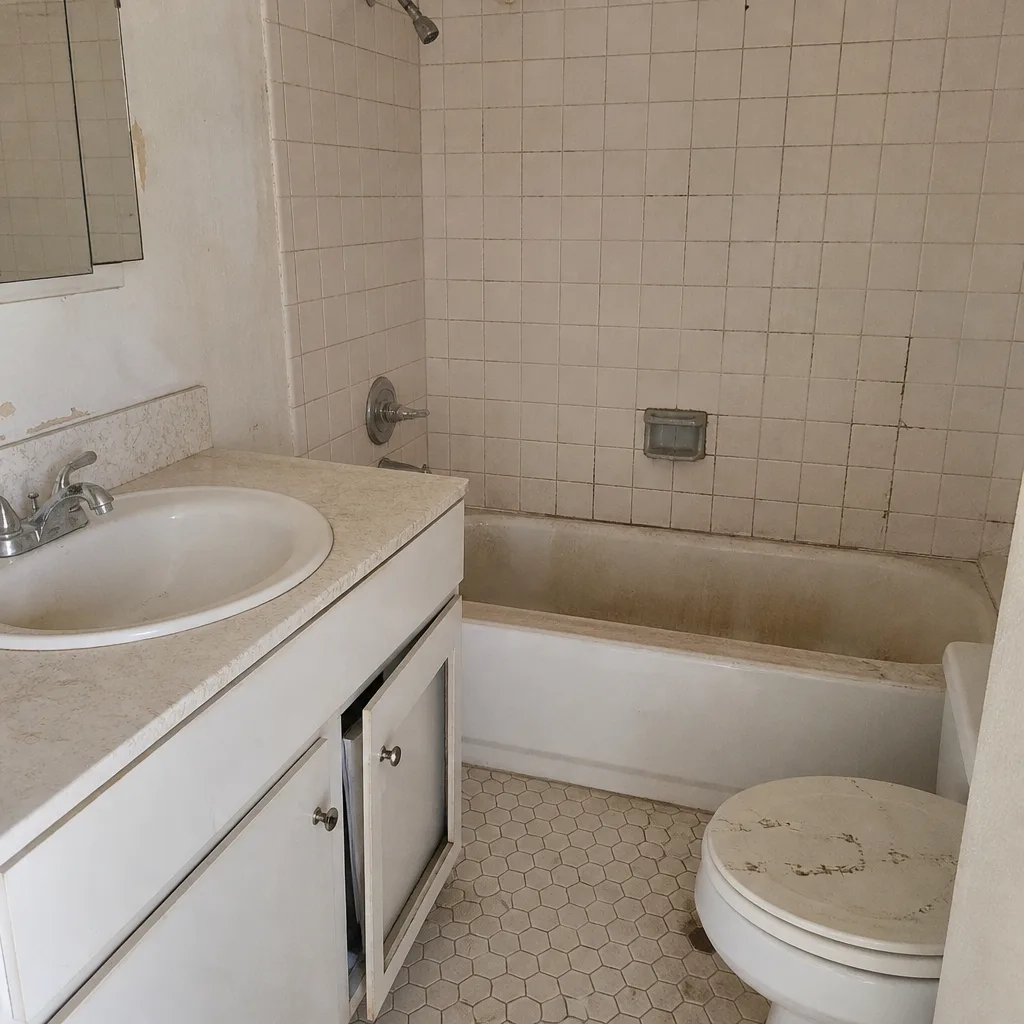 Before
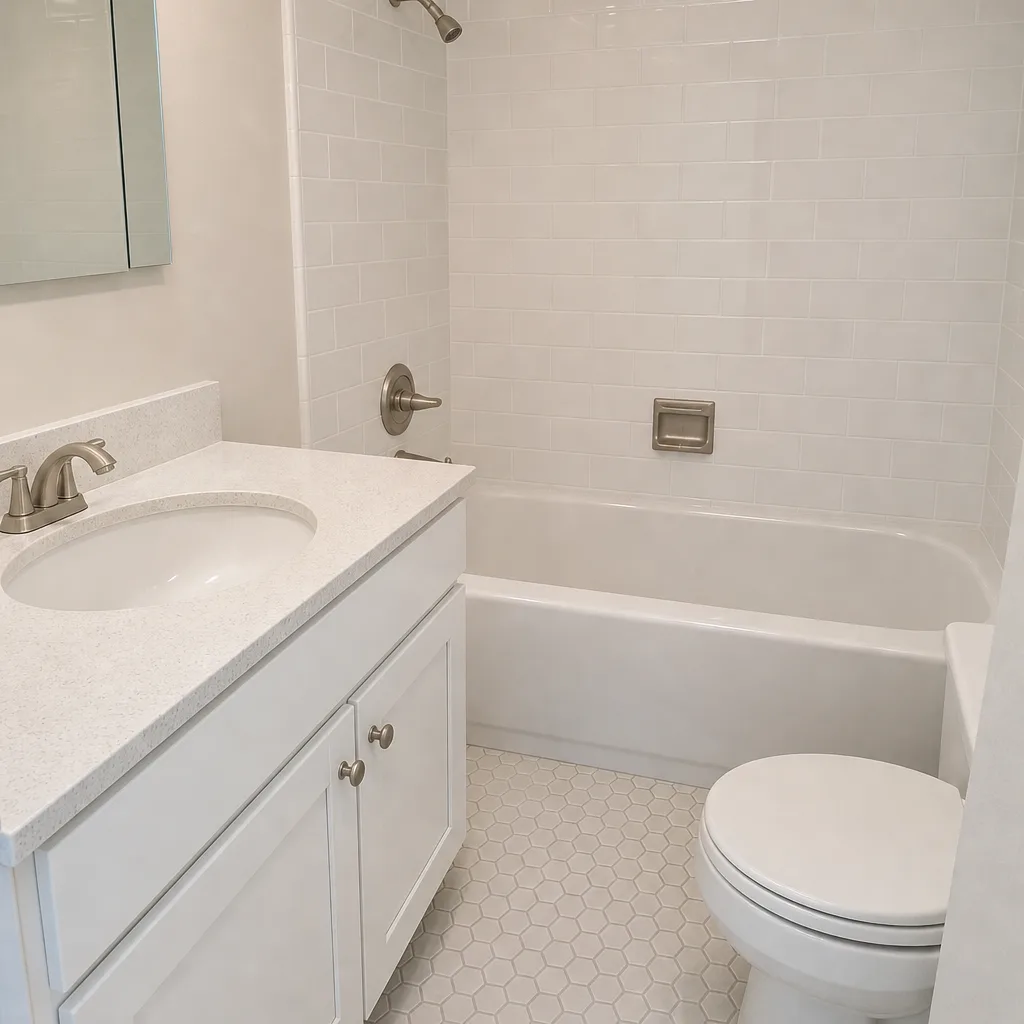 After
Common Mistakes to Avoid
- Treating a Nevada license as proof of character. Despite the license, the contract still does the committing. Read it.
- Accepting “industry-standard materials” as a finish spec. It’s a loophole, not a specification. Name the brand, name the model, or you don’t know what you’re paying for.
- Paying a large deposit before the permit is issued. Some deposit at signing is normal; full deposit before a permit is a cash-flow signal.
- Trusting verbal assurances on permits. The City of Boulder City Building Department will answer in a phone call. Use it.
- Not asking who the subs are. Under Nevada lien law, an unpaid sub can lien your property even if you paid your GC in full.
- Letting “we’ll fix it if anything goes wrong” replace a written guarantee. A documented 12-month guarantee with a defined remedy is worth more than any verbal promise.
- Ignoring how older Boulder City housing stock interacts with the scope. WWII-era plumbing and original stucco are common, and a bid that doesn’t account for them will move.
When to Call a Professional
Call a licensed, insured contractor any time the scope involves permits, structural changes, electrical panel work, gas lines, plumbing relocations, or roof replacement. Call even if you think the job is cosmetic – a wall you don’t think is load-bearing can be. Call before you sign a contract you don’t fully understand, and call before you accept a verbal permit assurance. In a small market like Boulder City, independent verification is cheap and fast; the Building Department answers the phone and the records are on file.
Bradford Remodeling Boulder City offers free estimates in Boulder City – call (844) 797-9259. Every price is in writing before any work starts, every project is covered by the 365-Day Done Right Promise, and a live person answers the phone, not a voicemail. If you’ve been burned before and want to see what a written scope looks like, start with an estimate. Our technicians have up to 22 years of experience, and we’ll walk you through the contract before you sign it rather than after.
Frequently Asked Questions

Vague contract language (“industry-standard materials,” “estimated completion”), front-loaded payment schedules, a GC who can’t name licensed subs in the contract, and verbal assurances that work “doesn’t need a permit.” Those are the warning signs that cost the most money because they’re legal but shift risk to you. A missing license is obvious; a bad contract isn’t.
No. The license proves the contractor is registered to work; it doesn’t govern the scope, the payment schedule, the guarantee, or how the contractor handles subs. Those protections live in the contract. A contractor with an active license can still ask for a 40% deposit before demo, substitute materials, and skip permits – all legally, unless the written contract stops them. Call (844) 797-9259 for a written-price estimate that shows what a disciplined contract looks like.
Call the City of Boulder City Building Department and give them the address and scope. Ask two questions: does this require a permit, and is there an active permit on this address right now. It typically takes about five minutes. Don’t rely on the contractor’s verbal assurance – in a small market, some contractors avoid permits because enforcement is light, and the cost lands on you at sale or inspection. Call (844) 797-9259 if you want a second look at a scope before you call the city.
A reasonable schedule ties each draw to a physical milestone you can verify: 10-15% at signing, 25-30% at rough-in or demo completion, 25-30% at a mid-project milestone, 25-30% at substantial completion, and 5-10% retained until final inspection and closeout. Front-loaded schedules above 40% before demolition usually signal the contractor is funding other work with your deposit. Call (844) 797-9259 – our written price and payment schedule are set before work starts and don’t move.
Under Nevada mechanic’s lien law, a subcontractor or supplier who hasn’t been paid can record a lien against your property even if you’ve already paid the GC in full. You can end up paying twice. The fix is demanding that the contract name the licensed subs and include a lien release schedule tied to each payment milestone. Call (844) 797-9259 to review what a well-run sub roster and lien release plan look like on a Boulder City project.
At least 12 months, in writing, with a defined return-and-correct remedy. A verbal “we’ll come back if anything goes wrong” isn’t a guarantee; it’s a promise with no terms. The written guarantee should state what’s covered, for how long, and what the contractor commits to doing if the work fails. Bradford Remodeling’s 365-Day Done Right Promise covers every completed project for a full year – if the work fails inside that window, we come back and correct it at no charge. Call (844) 797-9259 to see the guarantee before you sign anything.
Key Takeaways
The contractor who burned you probably had a Nevada license and a good review; the damage happened in the contract, not the credentials. Translate “industry-standard,” “estimated completion,” and “work as needed” before you sign. Read the payment schedule for cash-flow signals – 40% before demo is a warning, not a discount. Verify permit claims with the City of Boulder City Building Department in five minutes. Name the subs and demand lien releases before each draw. Get the guarantee in writing before the first tool comes out.
If you want a scope and a price already written that way, call Bradford Remodeling Boulder City at (844) 797-9259 for a free estimate. Every price is in writing before work starts, every project is backed by the 365-Day Done Right Promise, and a real person answers the phone – not a call-back queue.
Written by the team at Bradford Remodeling Boulder City.