Last updated November 17, 2026







Free written scope consultation - allowances, timeline, and change-order rules on paper before a single trade is scheduled
General Contractor Maintenance Checklist for Boulder City Homeowners
Caliche is the reason two houses on the same Boulder City street can sell for very different prices. That calcium carbonate layer sits under most lots around here like poured concrete, and when water can’t drain through it, the water goes sideways into your foundation soil instead. We’ve walked plenty of Boulder City homes where the cracks in the drywall got blamed on a bad builder when the real culprit was ten years of unchecked downspouts dumping water at the slab edge. This guide covers what to check, when to check it, and which items belong in your Saturday morning and which ones you should never touch without a licensed contractor.
Quick Answer
Boulder City homeowners should inspect the foundation perimeter after every significant rain, check stucco and exterior coating twice a year for cracks wider than 1/16 inch, service flat and low-slope roofs before the summer heat peak rather than after, and have HVAC and ductwork evaluated annually because the local cooling load runs well above national averages. Anything that touches structure, roofing, gas, electrical, or the foundation requires a licensed contractor; caulking, paint touch-up, filter changes, and gutter clearing do not.
Styles & brands we work with
- Kitchen remodeling
- Bathroom remodeling
- Home additions & ADU
- Roofing
- Windows & doors
- Driveway & pavers
- Fence
Table of Contents
- Caliche Soil and Foundation Perimeter Checks
- Stucco and Exterior Coating Inspections in High-UV Conditions
- Flat and Low-Slope Roof Checks for Mojave Heat
- HVAC and Ductwork Intervals for Boulder City’s Cooling Load
- Windows, Doors, and Exterior Trim
- The Licensed vs. DIY Decision Table
- Seasonal Calendar for Boulder City
- Common Mistakes to Avoid
Caliche Soil and Foundation Perimeter Checks
Caliche forms when calcium carbonate in the soil binds together over time into a layer that behaves less like dirt and more like weak concrete. Under most Boulder City lots, that layer sits somewhere between a foot and several feet down. It doesn’t drain. When rain runs off your roof and pools against the foundation, the water has nowhere to go but into the soil above the caliche, and that soil swells. As it dries, it shrinks. Repeat that cycle for a decade and you get the stair-step cracks in block walls and the diagonal cracks above door corners that look like settlement but started as a drainage problem.
Here’s what to check after any rain event that produces visible runoff:
- Water pooling within 3 feet of the slab. If water is still standing 24 hours after the rain stops, you have a grading or drainage issue, not a weather event.
- Soil pulling away from the foundation. A gap wider than your thumb between the soil and the slab edge means the soil is shrinking and re-expanding.
- New cracks appearing in the same spot twice. A crack you patched last year that reopened in the same place usually points to ongoing movement, not just cosmetic settling.
- Doors and windows that stick seasonally. A door that drags in summer and swings free in winter tells you the frame is moving with the soil.
- Efflorescence on the block. That white powdery staining on exterior masonry is salt pushed out by moisture moving through the wall.
Foundation repair itself is not a homeowner job. What you can do is manage the water before it reaches the foundation: extend downspouts at least 4 feet away from the wall, keep the soil graded so it slopes away from the slab, and clear any swales or drainage channels that carry runoff. Anything that involves crack injection, pier installation, or underpinning needs a licensed contractor and probably a soils engineer.
Stucco and Exterior Coating Inspections in High-UV Conditions
Boulder City sits at a UV index that routinely pushes past 10 in summer, and the daily temperature swing here can run 30 degrees or more between afternoon high and overnight low. That combination is hard on stucco and any exterior coating: the surface expands in the heat and contracts at night, and UV degrades the elastomeric topcoat that’s supposed to flex with that movement. When the coating fails, moisture gets behind the stucco and the substrate – the layer behind the finish, usually lath and sheathing – starts to move.
Not every crack matters. Here’s how to tell the difference:
- Hairline cracks under 1/16 inch (roughly the thickness of a credit card): typically cosmetic shrinkage cracks in the finish coat. These can be sealed with a paintable elastomeric caulk and repainted. A homeowner can usually handle this.
- Cracks between 1/16 and 1/8 inch that follow a straight line or stair-step pattern: worth having a contractor look at. These often track along the lath or follow a structural line.
- Cracks wider than 1/8 inch, or any crack that’s wider at one end than the other: this is a substrate movement signal. Call a licensed contractor before you caulk it, because sealing a moving crack hides the diagnostic evidence.
- Any soft spot or hollow sound when you tap the stucco: that’s called a “delamination” and it means the finish has separated from the substrate. Water is getting in.
- Chalking or color fade on the sun-facing side: this is the topcoat breaking down – typically repaint timing, not repair timing, but worth noting.
Check your stucco in spring and again in early fall. Walk the perimeter at a slow pace, look at the sun-facing walls first because they show wear earliest, and take photos of anything that concerns you. Documented progression is what helps a contractor give you a straight answer.
Flat and Low-Slope Roof Checks for Mojave Heat
Standard four-season roof guidance doesn’t apply here. Boulder City roofs don’t have to survive freeze-thaw cycles or snow load. They have to survive 90-plus days a year of temperatures that turn a flat roof surface into a 160-degree plane, and that’s a different failure pattern. Membrane sealants soften. Vapor barriers cook. Flashing expands away from the substrate it’s attached to and then doesn’t quite come back when it cools.
For a flat or low-slope roof in Boulder City, the calendar looks like this:
- April, before the heat peak: inspect the membrane for blistering, check all penetrations and flashing, look for ponding (standing water more than 48 hours after rain).
- July, after the monsoon starts: spot-check after any significant rain event for new ponding or visible moisture intrusion at the ceiling plane.
- October, before winter: clear debris, check the seams again, look at drainage paths.
- Every 3-5 years: professional inspection and recoating of elastomeric or acrylic roof coatings, which degrade faster in high-UV conditions than manufacturer spec sheets suggest.
What you can do yourself: clear debris from drains and roof edges, and note any new water stains on your interior ceiling with the date you saw them. What you should never do yourself: walk a flat roof at midday in July, apply sealant without knowing what the existing membrane is, or attempt repairs on any roof with height or access risk. Roof work is genuinely dangerous, and it’s not a judgement call – hire a licensed roofer.
HVAC and Ductwork Intervals for Boulder City’s Cooling Load
The national average for cooling load hours is roughly 700 to 900 hours a year. Boulder City is well above that. What that means in practical terms: your air conditioner runs more hours, cycles more, and wears faster than the same unit would in a mild climate. Manufacturer maintenance intervals assume average use. Yours isn’t average.
Compress the checklist accordingly:
- Filter changes: every 30 to 60 days during cooling season (May through September). If you have pets or are near a construction site, closer to 30.
- Professional AC tune-up: annually, in April or early May, before the first heat wave. Not in August after it fails.
- Ductwork inspection: every 2 to 3 years. Duct leakage in an attic that hits 140 degrees wastes a real percentage of your cooling dollar and stresses the compressor.
- Refrigerant charge check: part of the annual tune-up, not a separate item.
- Coil cleaning: every 1 to 2 years, depending on dust. Desert dust loads coils fast.
If a room that used to cool fine now runs warm, that’s a duct leak or a damper issue before it’s a unit issue. Note it and have it checked at the tune-up. Filters are the one homeowner item here that matters on frequency alone – change them on a real schedule, not when you remember. Anything involving refrigerant, electrical components, or duct sealing is licensed work.
Windows, Doors, and Exterior Trim
Windows and exterior doors take a beating here. UV degrades weatherstripping. Temperature swing loosens seals at the frame. The fiber-cement and premium door products we work with – James Hardie siding and Therma-Tru doors, for example – hold up very well in this climate, but they still need the seals checked. A failed exterior door seal is the most common moisture entry point we see on homes outside the historic district.
What to check annually:
- Weatherstripping on exterior doors: run your hand along the closed door on a windy day. Any noticeable draft means replacement weatherstripping (a homeowner job, under $20 in materials).
- Caulk at window frames: check for gaps and cracking where the frame meets the stucco. Re-caulking with exterior-grade caulk is a legitimate weekend project for most homeowners, provided the gap is small and the underlying wood isn’t soft.
- Hardware function: sticky locks, sagging hinges, and doors that no longer latch cleanly. Screw tightening is DIY; hinge or frame realignment calls for a contractor if it doesn’t resolve with the simple adjustment.
- Paint or stain on exterior trim: fading is normal; peeling that exposes raw substrate needs attention before moisture gets in.
When you’re planning a larger exterior project – a door replacement, a window upgrade – get the plan in writing. That’s the difference between a maintenance item and a remodel scope, and the two get quoted very differently.
The Licensed vs. DIY Decision Table
Most maintenance checklists skip this part, which is the part that actually matters. In Nevada, certain work requires a licensed contractor by law, and doing it yourself – or hiring someone unlicensed – can void insurance, void warranties, and fail inspection. Here’s our straight breakdown per item:
- Caulking stucco cracks under 1/16 inch – DIY, safe and appropriate.
- Caulking cracks wider than 1/8 inch or any crack with apparent substrate movement – Licensed contractor.
- Clearing roof drains and gutters – DIY if the roof is safely accessible at single-story height.
- Any roof repair or membrane work – Licensed contractor. Non-negotiable.
- Extending downspouts away from the foundation – DIY.
- Foundation crack injection, pier installation, grading that affects drainage paths – Licensed contractor, likely with a soils engineer.
- HVAC filter changes – DIY.
- HVAC refrigerant, electrical components, duct sealing – Licensed contractor.
- Weatherstripping replacement on exterior doors – DIY.
- Exterior door or window replacement – Licensed contractor, and it needs a permit.
- Repainting exterior stucco with elastomeric paint (surface intact, no cracks over 1/16 inch) – DIY is allowed, but surface prep matters and shortcuts fail within two summers. Many homeowners hire out.
- Any plumbing, gas, or electrical work – Licensed contractor. No exceptions in Boulder City or anywhere in Nevada.
The pattern is consistent: surface maintenance is yours, anything that touches structure, systems, or safety is licensed work. When in doubt, call and ask. A contractor who won’t answer that question clearly isn’t the one you want for the actual job.
Seasonal Calendar for Boulder City
An annual rhythm that matches how Boulder City actually works, not how a national checklist thinks a year goes:
- February: Exterior walk-through. Check caulk, weatherstripping, paint, and any damage from winter rain. Book your AC tune-up for April.
- March: Roof inspection (before heat peak). Clear drains, check membrane and flashing, note any ponding.
- April: HVAC professional service. Change filter. Check attic ductwork visually if accessible.
- May: Foundation perimeter check after any late-spring rain. Verify grading still slopes away from slab, downspouts still extended.
- July, after monsoon starts: Post-rain foundation check, roof spot-check, look for any interior ceiling staining.
- September: Second stucco and exterior walk-through. Catch summer UV damage before winter rain.
- October: Pre-winter roof drain clearing, caulk touch-up, exterior door and window check.
- November: Filter schedule switches (lower cooling load), verify heater function with a professional if applicable.
Two of those items involve a licensed contractor doing the inspection. The rest are yours if you want them. The value of the calendar isn’t the calendar – it’s doing them consistently, because most of the expensive failures we see in Boulder City came from deferred maintenance, not from one big event.
Common Mistakes to Avoid
- Watering the foundation. In wetter climates, some homeowners are told to water the foundation in dry months to keep the soil from shrinking. That advice comes from clay soils, not caliche. In Boulder City, adding water against a foundation sitting on caliche is how you accelerate soil swelling. Don’t do it.
- Caulking cracks before they’ve been diagnosed. If a stucco or foundation crack is actively moving, sealing it hides the diagnostic evidence and the crack reopens within a season. Take a photo, note the date, and get a professional eye on it.
- Running the AC less to save money during peak heat. Short-cycling and long off periods in extreme heat put more stress on the compressor than steady operation. Set it and leave it during cooling season; the energy savings from setback gymnastics are minimal and the wear cost is real.
- Skipping the pre-summer AC tune-up. Every summer we see emergency calls in July that would have been a $200 tune-up in April. The cooling load hours in Boulder City make an annual service visit a genuine requirement, not a sales pitch.
- Hiring the lowest roofer bid without asking what membrane they’re using. Membrane quality drives longevity in this heat. A GAF or CertainTeed product with a documented spec and warranty is a different install from a material with no paper trail. Ask for the spec sheet in writing.
- Using a pressure washer on stucco. The finish coat can’t take high pressure, and the water forces past hairline cracks into the substrate. If you need to clean stucco, a garden hose, a soft brush, and mild detergent is the safe approach.
- Assuming a new-looking coating is a good coating. A repaint job done without proper prep fails within two summers in Boulder City’s UV. Ask what prep was included and get it in the written scope.
See the difference
 Before
 After
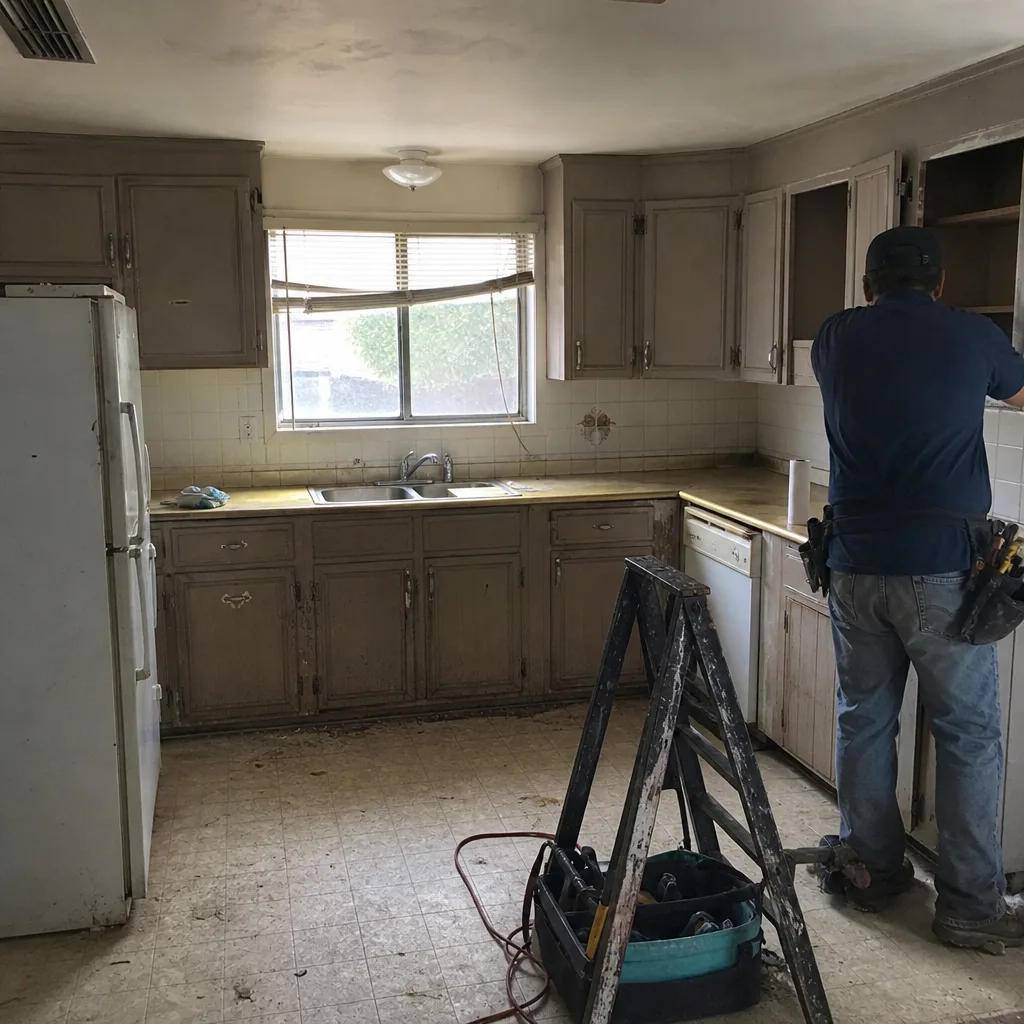 Before
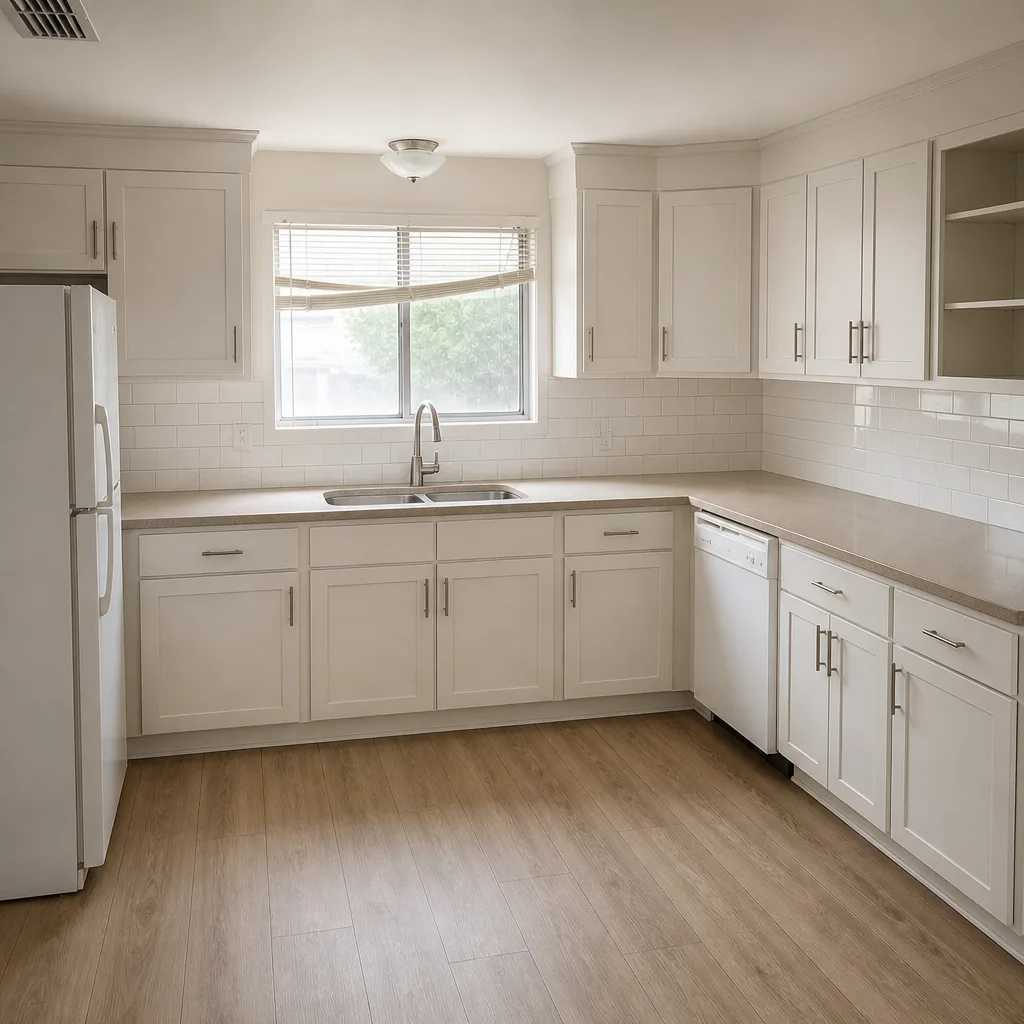 After
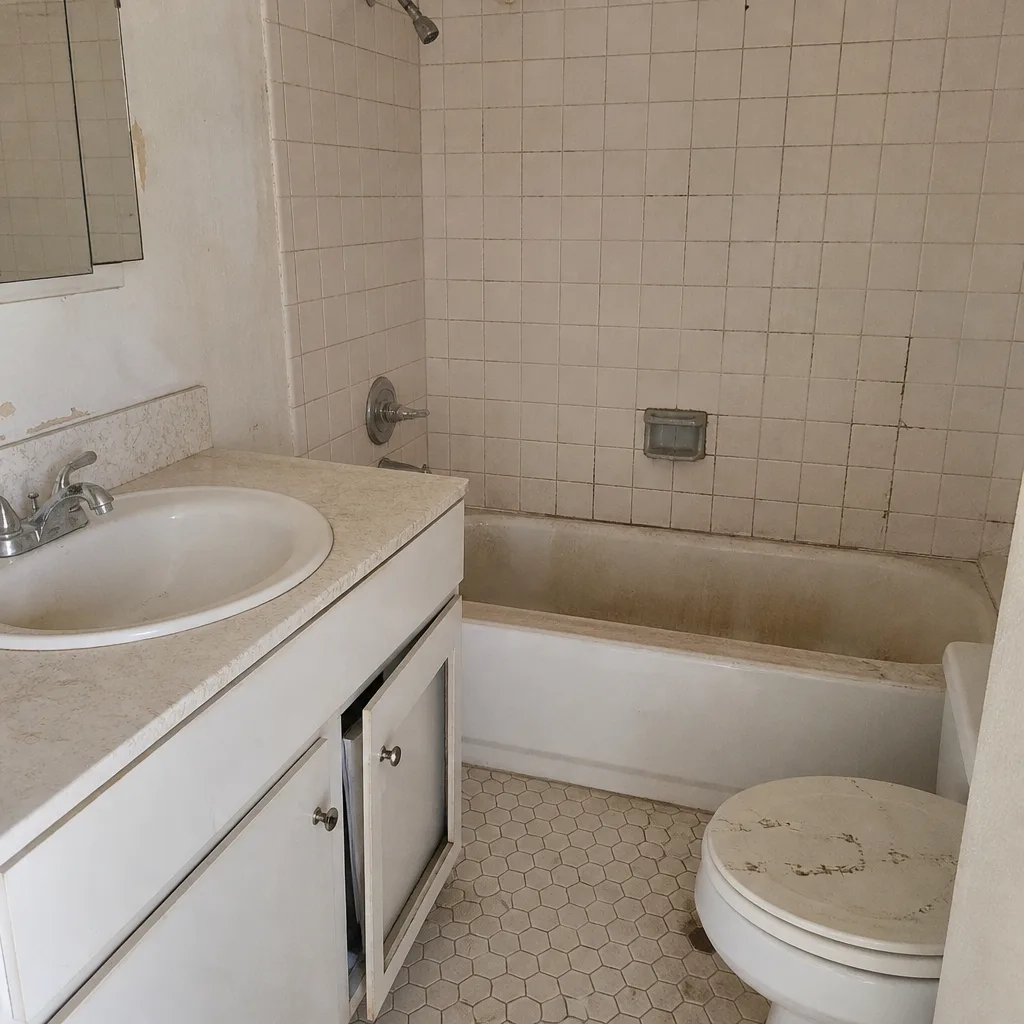 Before
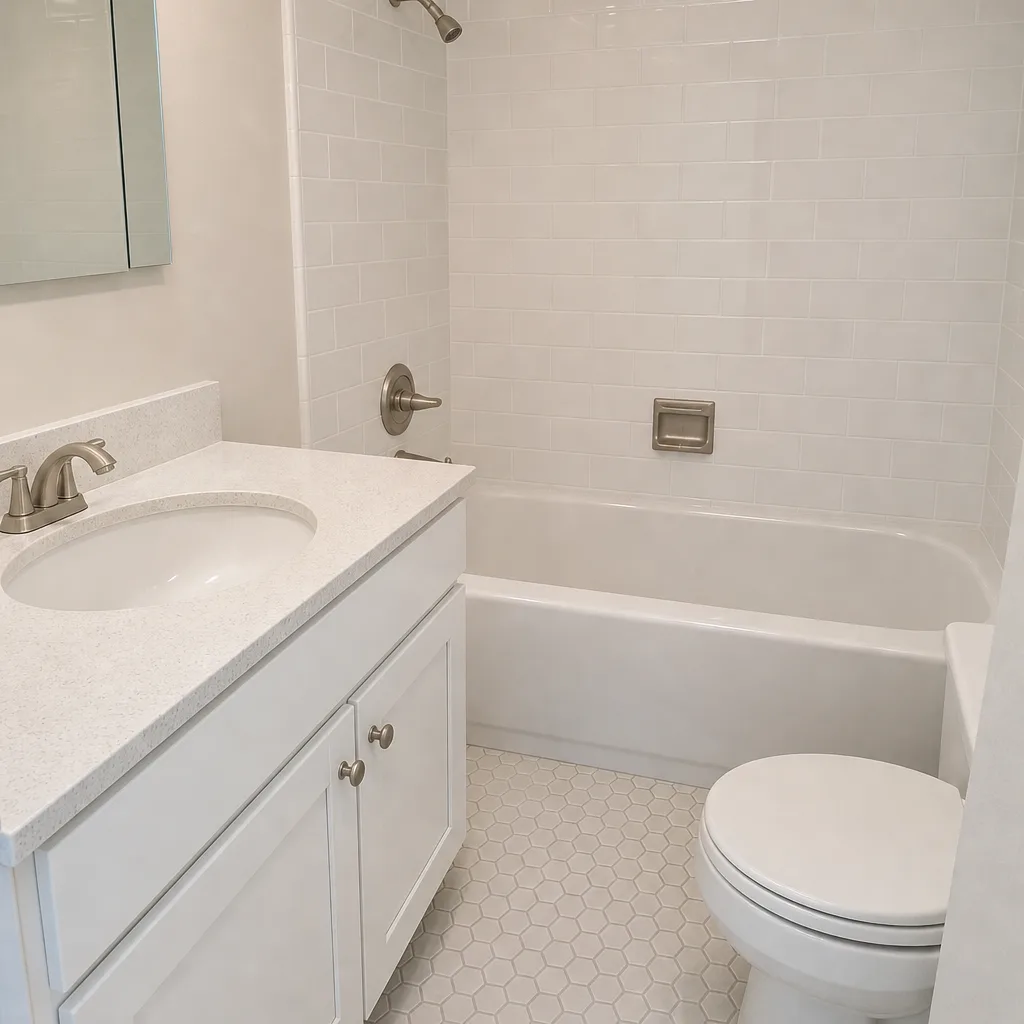 After
When to Call a Professional

Call a licensed contractor when the item involves structure, roofing, gas, electrical, HVAC components, or anything you’re not certain about. Specifically: any stucco crack over 1/8 inch, any foundation crack injection or drainage re-grading, any actual roof repair, any plumbing or electrical work, any window or door replacement, and any HVAC item beyond a filter change. Call immediately after a rain event if you see water pooling against the slab, new interior ceiling stains, or a door that suddenly sticks. These are the signals that deferred maintenance is becoming a repair.
If you’re planning actual remodel work alongside the maintenance – a kitchen update alongside the exterior door replacement, say – that’s where we come in. You can see our full range of services on our Bradford Remodeling Boulder City home page, and our General Contractor in Boulder City page covers how we run a project from first estimate to final walk-through. Bradford Remodeling Boulder City offers free estimates in Boulder City – call (844) 797-9259.
Frequently Asked Questions
Twice a year for flat and low-slope roofs, once annually for pitched roofs. The pre-summer inspection (April or early May) catches membrane and flashing issues before the heat peak; the fall inspection catches the monsoon-related wear. Any roof over 15 years old benefits from a professional inspection every 3 to 5 years even if nothing looks obviously wrong. Call (844) 797-9259 for a free estimate on any roof-adjacent work that’s more than a drain clearing.
No. Foundation cracks – especially any wider than 1/8 inch or showing differential movement – require a licensed contractor and often a soils engineer. Sealing a moving crack hides the evidence of what’s actually happening, and improper repair can make the underlying drainage issue worse. What you can do yourself is manage the water: extend downspouts, keep soil graded away from the slab, clear swales. Call us for an honest assessment if you’re seeing cracks that concern you.
Skipping the pre-summer roof and HVAC inspections. Both catch failures when they’re cheap to fix; both are expensive in July when the AC has already quit and the roof is leaking into the ceiling. Boulder City’s cooling load hours are well above national averages, which means HVAC wear is faster and roof membrane degradation is faster than most maintenance calendars assume. Schedule both in April, not August. Call (844) 797-9259 to get on a sensible inspection schedule.
Yes, cracks under 1/16 inch (the thickness of a credit card) are normal shrinkage cracks in the finish coat and don’t indicate a problem. They can be sealed with paintable elastomeric caulk and repainted. Cracks wider than 1/8 inch, cracks that stair-step in a diagonal pattern, or any crack that’s wider at one end than the other need a licensed contractor to evaluate – they indicate substrate movement, not just finish shrinkage.
Every 30 to 60 days during cooling season, so roughly May through September. If you have pets or are near a construction site, err on the 30-day side. The rest of the year, 60 to 90 days is fine. Filter changes are the single highest-return DIY maintenance item for HVAC longevity in Boulder City – missed filter schedule is a leading cause of premature compressor failure in this climate. If your system hasn’t had a professional tune-up in over a year, call (844) 797-9259.
A maintenance item restores existing function – re-caulking, painting, replacing weatherstripping, filter changes. A remodel scope changes the function, footprint, or material specification of a component – new cabinets, new doors, new surface materials, layout changes. Maintenance often costs hundreds; remodel scopes cost thousands and require written scope, permits, and inspections. If a maintenance visit turns up a needed remodel, the right move is a written estimate for the remodel scope, not a “while we’re here” upsell. Call us for a written scope on any kitchen remodeling in Boulder City or bathroom remodeling in Boulder City project – you’ll get the price in writing before any tool comes out.
The Bottom Line

Most of what fails in Boulder City homes fails for the same handful of reasons: caliche soil that can’t drain, UV that degrades exterior coatings faster than spec sheets suggest, and cooling load hours well above national averages. A maintenance calendar that reflects those realities catches most problems in the hundreds of dollars instead of the tens of thousands. Manage the water at the foundation perimeter. Inspect stucco twice a year and know which crack widths matter. Service the roof and HVAC before summer. Get the licensed-vs-DIY line right before you pick up a tool. Do those four things consistently and you’re ahead of most of your neighbors.
If you want a written scope on anything from a door replacement to a full exterior refresh, call (844) 797-9259 for a free estimate. You’ll get the price in writing before work starts, and every completed project is covered by the 365-Day Done Right Promise – if the work fails within a year, we come back and make it right at no charge. Estimates are free, and we answer the phone live, 24 hours a day.
Written by the team at Bradford Remodeling Boulder City.