Last updated November 17, 2026







Free written scope consultation - allowances, timeline, and change-order rules on paper before a single trade is scheduled
Construction Emergency Preparedness Guide for Boulder City Homes
When a monsoon storm takes out a section of your roof at 11 PM in Boulder City, the contractors who answer emergency calls from Las Vegas are 30+ miles away, and the nearest large contractor pool sits 25 miles west in Henderson. That distance is real time. Without a pre-planned response protocol, the first crew on scene may not be the one you’d have chosen in daylight, and the number you scribble on a napkin under pressure is rarely the number that protects you. Most homeowners discover this the hard way. What follows is the protocol we’d want in our own file cabinet: how to document damage in the first 90 minutes, what a proper emergency tarp actually has to accomplish, and how to vet a contractor before you ever need one. This guide is written from Boulder City, for Boulder City.
Quick Answer
Construction emergency preparedness in Boulder City means having three things ready before anything fails: a written relationship with a licensed contractor, a documented damage-response procedure for insurance, and a list of local emergency contacts. The first 90 minutes after roof, water, or structural damage decide how much your insurer pays, and a price-locked written scope signed under pressure is the difference between a covered loss and a financial one. Because the nearest large contractor pool is 25 miles away in Henderson, pre-vetting is not optional here; it is the whole plan.
Styles & brands we work with
- Kitchen remodeling
- Bathroom remodeling
- Home additions & ADU
- Roofing
- Windows & doors
- Driveway & pavers
- Fence
Table of Contents
- Why Boulder City Emergencies Are Different
- The First 90 Minutes: How to Document Damage Correctly
- Tarp and Shoring Standards That Survive an Adjuster’s Review
- Pre-Emergency Contractor Vetting: Build the File Now
- Boulder City Emergency Contacts and the Stop-Work Threshold
- The Written Scope Requirement for Emergency Repairs
- What Realistic Recovery Looks Like After the Storm
Why Boulder City Emergencies Are Different
Boulder City sits in a wind corridor that funnels monsoon cells off the McCullough Range and down through the Eldorado Valley. That geography produces gust events that peel shingles and lift patio covers, and it produces them fast. The Historic District’s older housing stock, much of it built during the dam-era and mid-century decades, carries roof structures and supply lines that were never designed for the thermal swings this region now delivers: 100-degree summer afternoons dropping 30 degrees overnight, then a wall of rain in August. That cycle works fasteners loose and stresses older pipe joints.
Then there’s the geography of help. Boulder City has a limited pool of licensed contractors compared to the Las Vegas Valley. When a storm cell tracks through the Historic District and up toward the neighborhoods near Bootleg Canyon, demand spikes across a small local supply, and outside crews start rolling in from Henderson and Las Vegas with a 30-minute-plus drive ahead of them. We’ve seen what happens when a homeowner calls whichever number answers first at midnight: a crew arrives without a written scope, quotes a number at the door, and the homeowner signs because water is coming through the ceiling.
Preparedness in Boulder City is about buying time and keeping leverage. A pre-vetted contractor, a documented damage file, and a clear understanding of what your policy covers give you both. Skip those steps and the emergency dictates the terms instead of you.
If you want a sense of how we approach structural and whole-home work outside an emergency, our General Contractor in Boulder City page lays out the process.
The First 90 Minutes: How to Document Damage Correctly
The photos and video you take in the first 90 minutes after damage are the backbone of your insurance claim. Adjusters do not accept “it was worse before the tarp went up.” They work from timestamped evidence of the loss as it occurred. Get this right and the claim moves; get it wrong and you fight for months. Our technicians have up to 22 years of experience, and the single most common claim problem we’ve seen is a homeowner who cleaned up before documenting.
Follow this protocol before you move a single thing:
- Shoot the wide shot first. Stand back and photograph the whole elevation, the whole ceiling, the whole flooded room. Establish context before detail.
- Then shoot close and overlapping. Every damaged area gets at least three photos from different angles, with something for scale. Overlap your frames so an adjuster can stitch the scene together.
- Record a narrated video walkthrough. State the date, time, and what you’re seeing as you pan. Never stage or rearrange.
- Photograph the cause, not just the result. The failed flashing, the cracked pipe joint, the downed limb that hit the roof. Causation drives coverage.
- Document water with a moisture reading if you have one, and photograph any furniture, flooring, or cabinetry the water reached before you move it.
- Keep every receipt and every damaged item until the adjuster signs off. Do not throw anything away.
What adjusters look for is a clean chain: cause, extent, and evidence that you mitigated further loss without altering the scene. Clean up too early and you’ve erased the cause. Wait too long and the insurer argues you failed to mitigate. The 90-minute window threads both.
Tarp and Shoring Standards That Survive an Adjuster’s Review
A tarp thrown over a damaged roof is not automatically a covered temporary repair. Nevada policy language generally covers “reasonable and necessary” measures to protect property from further damage, and it can deny anything that looks like a permanent repair done without approval, or anything sloppy enough that the damage worsened anyway. An adjuster reviewing your file asks one question: did the mitigation actually protect the structure, or did it just look like effort?
Proper temporary weatherproofing means the tarp is anchored against wind, extends past the damaged area on all sides, and is secured without driving fasteners through areas that will later need inspection. Shoring, the temporary structural support that holds up a compromised wall or header, has to be sized and placed by someone who understands load paths. This is where we stop and say it plainly: structural shoring and roof work at height are genuinely dangerous, and getting them wrong can turn a repairable loss into a collapse. This is work for a trained, insured professional, not a weekend scramble up a ladder in the dark.
Two standards worth knowing before a storm hits:
- Waterproof versus water-resistant. A tarp keeps rain off; proper sealing at the penetrations keeps the moisture out. Adjusters can deny claims where temporary work let water continue to intrude.
- Documented materials and method. The mitigation should be described in writing, with photos of the work and the receipts for materials. That record is what converts the temporary repair into a paid line item.
Because Boulder City’s wind events test anchors hard, temporary work here needs to hold for days or weeks until permanent repair. A tarp that lifts off in the next gust has done nothing but cost you time.
Pre-Emergency Contractor Vetting: Build the File Now
The worst time to vet a contractor is when water is coming through your ceiling. You want a written relationship in place beforehand, so when something fails at 11 PM the call goes to someone you already checked, not the first ad that surfaces. This is the single most valuable prep step for any Boulder City homeowner, and almost nobody does it.
Your emergency file should contain:
- A named licensed contractor with contact details for after-hours calls, and a written note of their response terms.
- Proof of current licensure and insurance on file, so you’re not scrambling for documents at midnight.
- A written price structure for common emergency work, so the number isn’t invented at your door.
- The 365-Day Done Right Promise in writing if you’re working with us, so even emergency-driven repairs carry a corrected-at-no-charge guarantee for a full year.
- Your own insurance policy details, including the deductible and the emergency mitigation clause.
- A property inventory with photos of major systems, roof, and finishes, updated yearly.
Homeowners who’ve been burned by no-shows and surprise invoices know the difference a document makes. Bradford Remodeling operates on The Garrison Standard, which means every price and every guarantee is in writing before a tool comes out, and a live person answers the phone around the clock, not a voicemail box. When we work with you on Bathroom Remodeling in Boulder City or larger structural repair, that written scope governs even an emergency call.
Boulder City Emergency Contacts and the Stop-Work Threshold
Knowing who to call reduces the chaos of the first hour. In Boulder City, the building department maintains an inspection and permit line, the city’s emergency dispatch handles active structural danger, and NV Energy must be called the moment electrical damage is suspected. If you see exposed wiring, a downed line, a hot panel, or water contacting electrical components, that is a stop-now situation: do not touch it, call NV Energy, and keep everyone clear until a professional clears it.
Then there’s the stop-work threshold. City code generally requires a stop-work hold on a damaged structure when the damage affects structural integrity, means of egress, or life safety. In plain terms, when a load-bearing wall, header, roof structure, or exit path is compromised, work has to pause until an inspector confirms the structure is safe. Skipping that hold can void your insurance and expose you to liability.
Keep these numbers wherever you keep insurance documents:
- Emergency dispatch for active structural danger or fire risk.
- NV Energy for any electrical damage or downed line.
- The Boulder City building department inspection line for stop-work holds and permit questions.
- Your water utility to shut off supply if a line has burst.
- Your pre-vetted contractor for the documented response.
If you’re mapping out how a faster response time fits your home, see our Bradford Remodeling Boulder City home page for how we structure local work.
The Written Scope Requirement for Emergency Repairs
Signing anything under pressure without a price-locked, written scope is the fastest way to turn a storm emergency into a financial one. This is where we are firm, and it’s not negotiable: no work starts until the scope is in writing, with the price in dollars, before any tool comes out. If someone at your door at midnight won’t put the number on paper, that is the answer.
For emergency repairs, a proper written scope includes the specific temporary work (tarp area, shoring points, water extraction), a materials list with specs, a fixed price for the emergency phase, and a clear separation from the permanent repair quote. Anything verbal, anything with a range that “could change,” anything with a signature line and no total, is the number that moves once the emergency passes.
Here’s why that discipline matters in Boulder City specifically: outside crews arriving from Henderson and Las Vegas understand the local supply is tight, and some quote accordingly. The written scope is your defense. Give the price on the page, get the guarantee terms on the page, and you keep leverage whether the job is a temporary tarp or a full recover. Kitchens and bathrooms take the same approach in Kitchen Remodeling in Boulder City, where we document the brand set, like the American Standard fixtures or Toto toilets a homeowner has chosen, before work begins.
What Realistic Recovery Looks Like After the Storm
No one rips out a monsoon-damaged kitchen same-day, and we won’t pretend otherwise. Recovery after a Boulder City storm runs in phases, and understanding them keeps expectations honest and nerves even.
- Hours 0 – 90: Document cause and extent; stop active water; call your pre-vetted contractor and your insurer if you suspect a claim.
- Days 1 – 3: Temporary weatherproofing and shoring, with written scope and receipts; stop-work hold filed if the structure is compromised.
- Weeks 1 – 4: Inspection, permanent repair quote, and a written agreement on the full scope with a fixed price.
- Weeks 4 onwards: Permanent repair and finish restoration, with the 365-Day Done Right Promise in your hand at close.
Realistic means the temporary work buys time, the inspector clears the structure, and the permanent repair is priced in writing before it starts. That sequence protects your claim and your home.
Common Mistakes to Avoid
- Cleaning up before documenting. Moving debris or throwing out damaged items destroys the evidence your adjuster needs to approve the claim.
- Hiring the first midnight caller. Without pre-vetting, the crew that shows up may not be licensed or insured, and a written scope won’t get signed.
- Signing a scope under pressure with no price. A range that “could change” once the emergency passes is how you get repriced at the door.
- Assuming a tarp is automatically covered. Sloppy mitigation that lets water continue to intrude can be denied even when the original damage was covered.
- Skipping the stop-work hold. Working around a compromised structure without inspection risks insurance denial and serious injury.
- Letting temporary shoring stay up permanently. Shoring is not a repair; leaving it in place hides structural damage and fails inspection later.
- Forgetting the emergency clause in Boulder City policies. Knowing the mitigation coverage before a storm saves hours of argument afterward.
See the difference
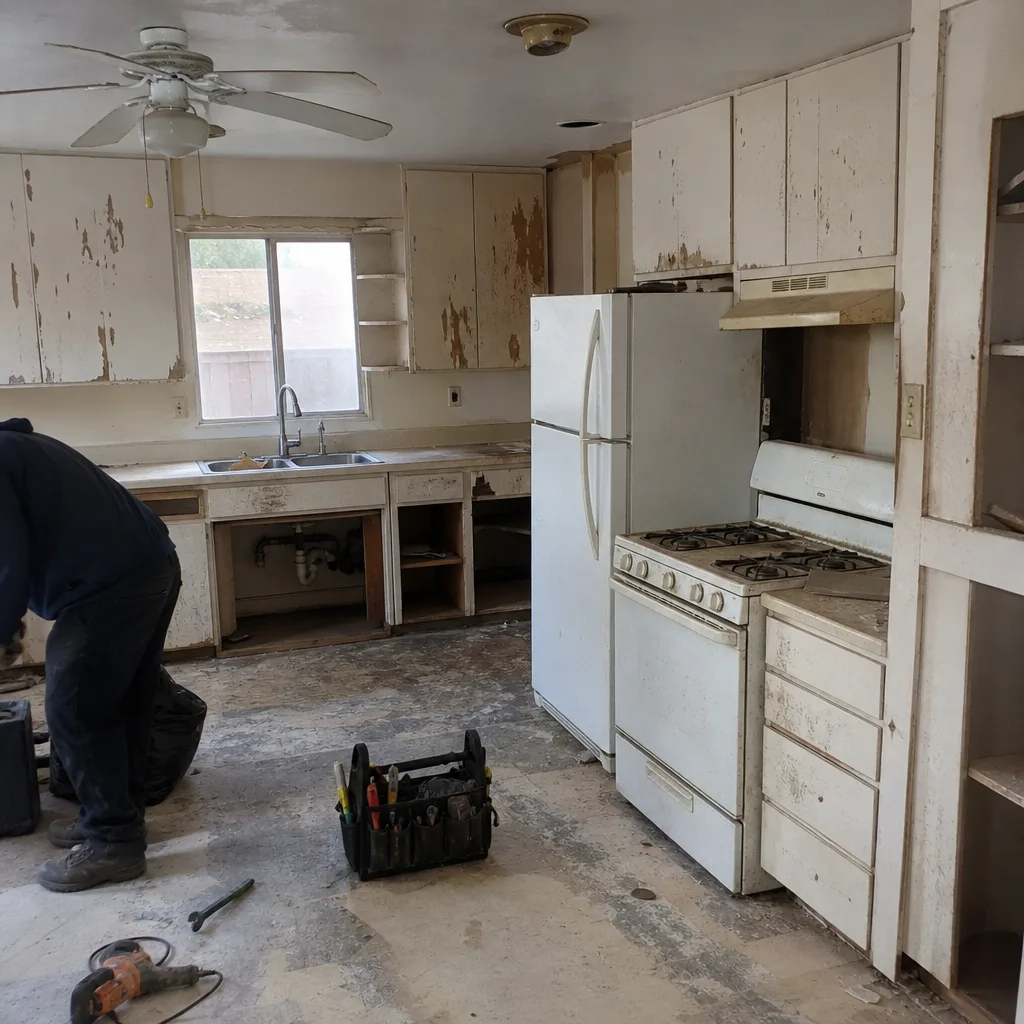 Before
 After
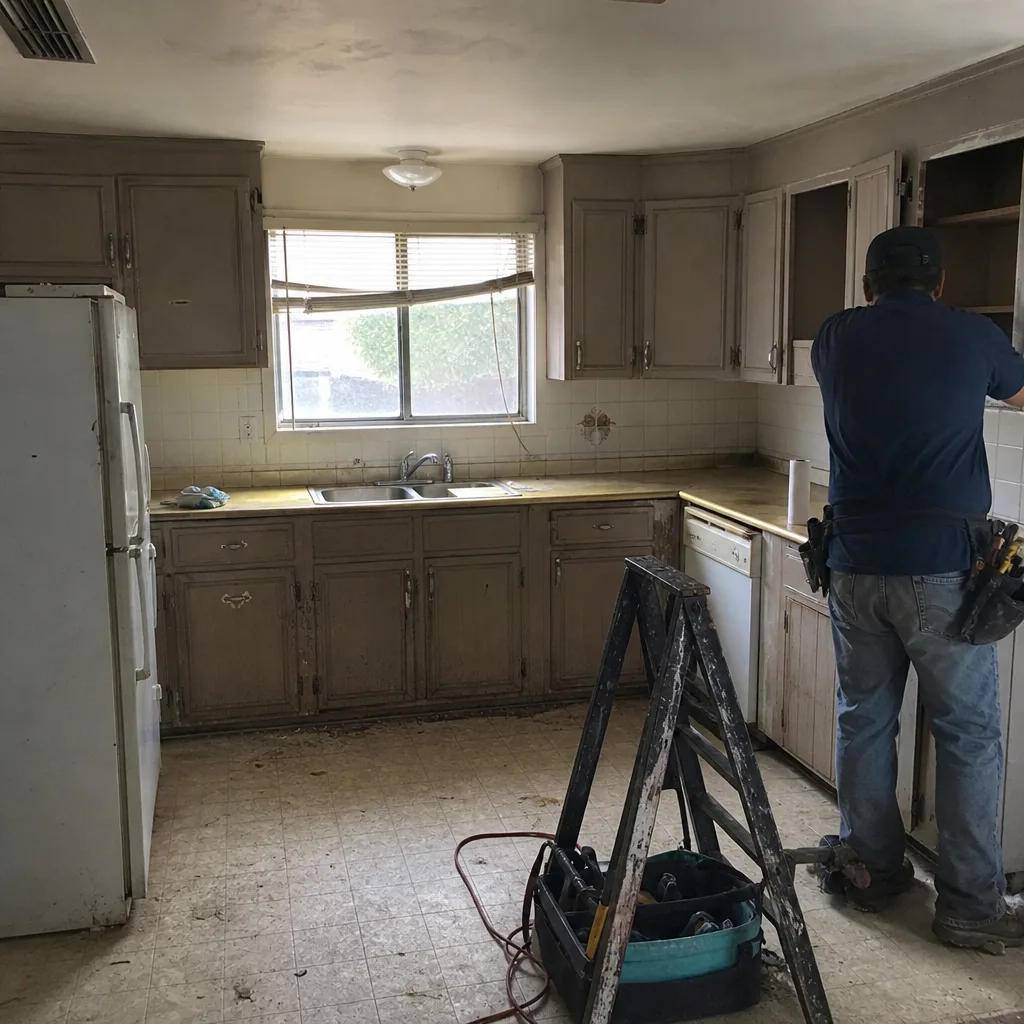 Before
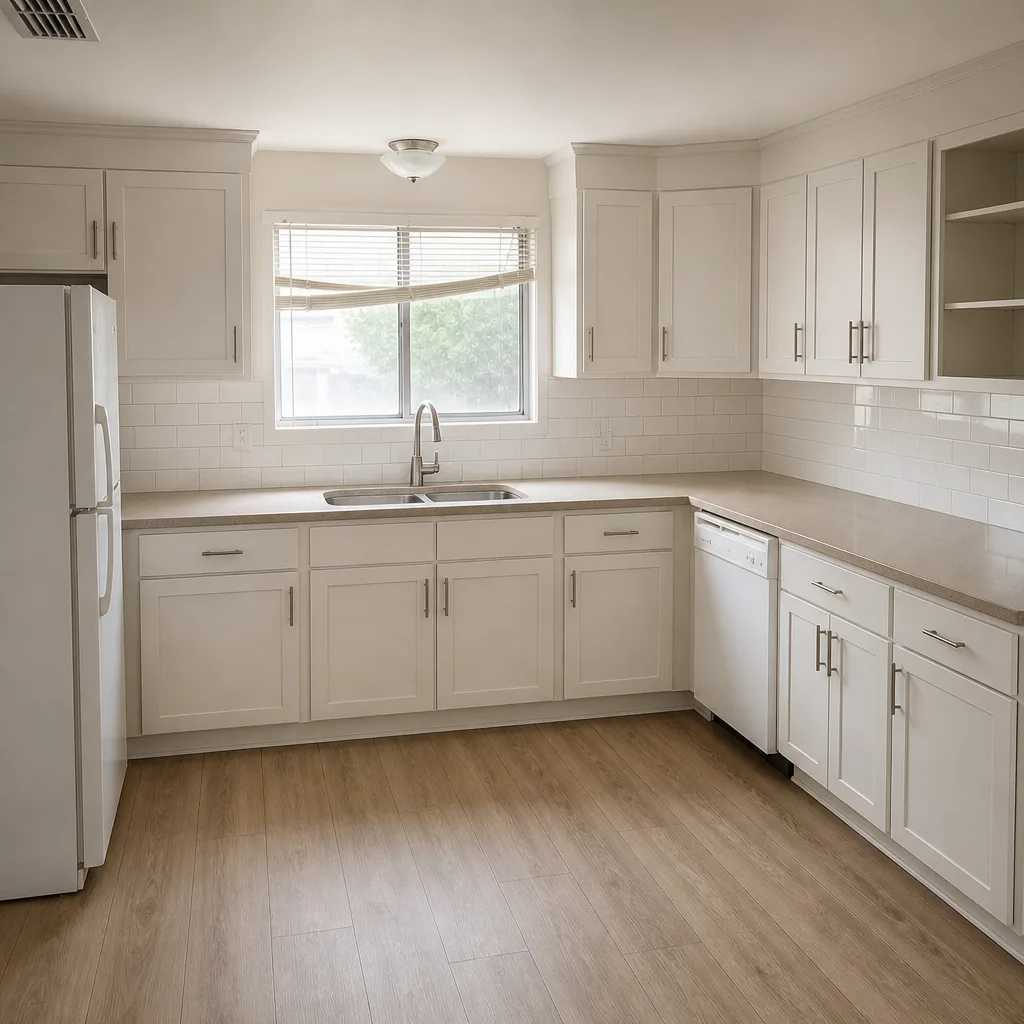 After
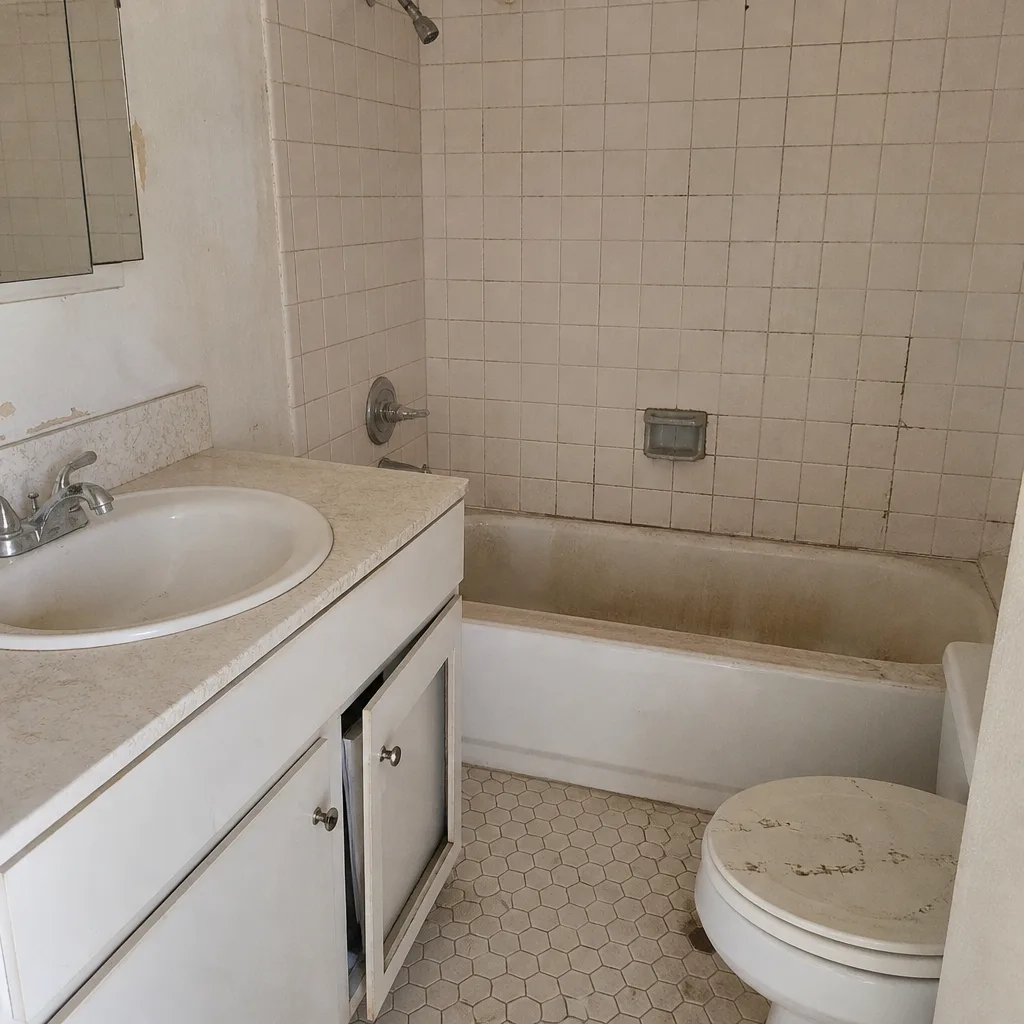 Before
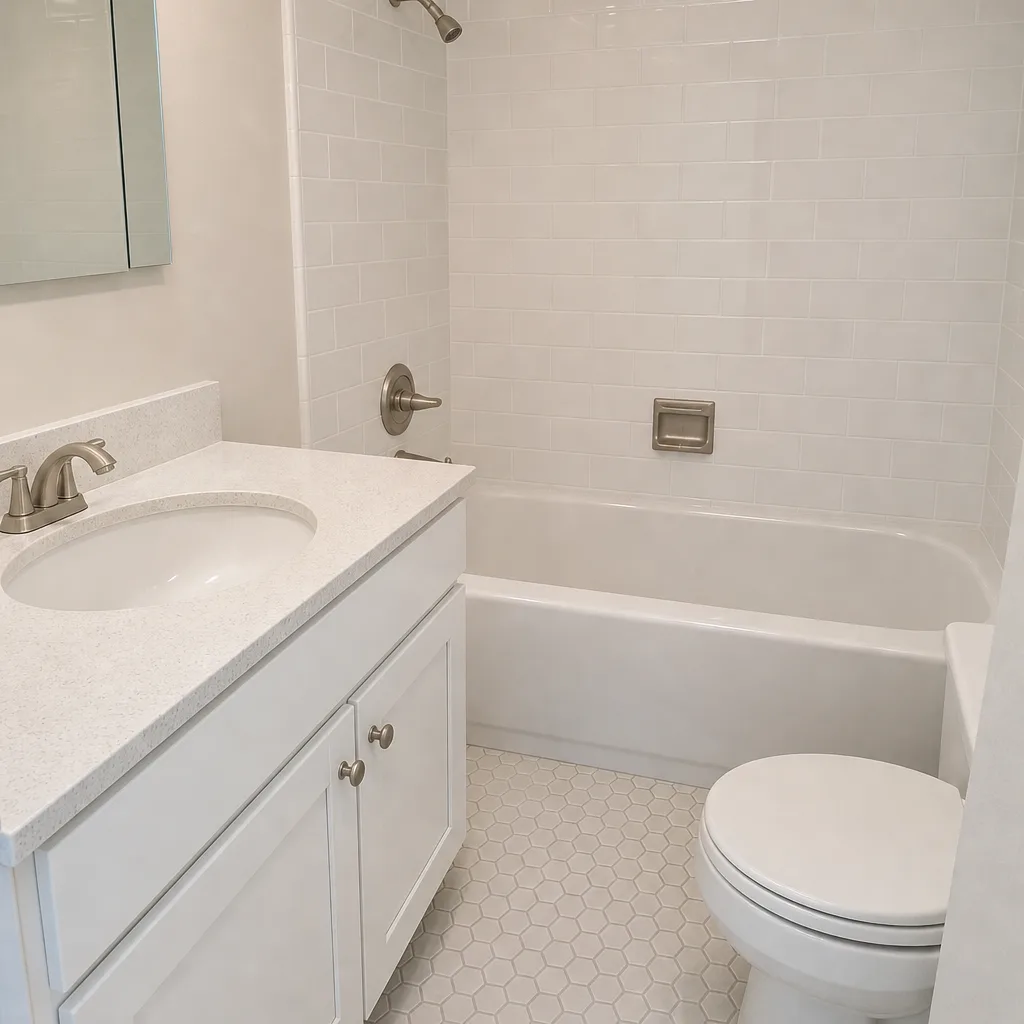 After
When to Call a Professional
Call a professional the moment any of these is true: roof structure, a load-bearing wall, or an exit path is compromised; water is actively entering the home and you can’t stop it; there’s any suspicion of electrical damage or a gas concern; or a temporary fix requires working at height. Do not attempt structural shoring, roof work, or anything involving a live panel yourself; these carry genuine injury risk and can void your insurance.
If you’re in Boulder City and want a written, pre-emergency relationship in place, or you’re already looking at damage from the last storm, get the documentation started right. Bradford Remodeling Boulder City offers free estimates in Boulder City, and a live person is on the phone around the clock. Call (844) 797-9259 to schedule your free estimate.
Frequently Asked Questions

Temporary tarp and mitigation in the Boulder City area typically runs a few hundred to about a thousand dollars depending on roof area and access, while permanent structural repair varies with the extent of damage and runs more. We put the exact range in writing before any work starts; call (844) 797-9259 for a free estimate, since estimates are free.
No. Bradford Remodeling gives a written, price-locked scope before a tool comes out, and the emergency phase is separated from the permanent repair quote so nothing moves at the door. That’s The Garrison Standard, and it’s non-negotiable; call (844) 797-9259 to get your written number.
Yes. When damage affects structural integrity or life safety, city code requires inspection and a stop-work hold before work resumes, and we pull the permits and see the inspections through. Call (844) 797-9259 to talk through the permit path for your property.
Document the cause and extent with wide shots, close overlapping photos, and a narrated video before you move anything, then stop active water and call your pre-vetted contractor and insurer. Clean up too early and you lose the evidence the adjuster needs; call (844) 797-9259 if you want a documented response.
The nearest large contractor pool is about 25 miles west in Henderson, so outside crews add real time to any emergency response. That’s why a written relationship with a local, pre-vetted contractor is the core of preparedness here; call (844) 797-9259 to set that up.
Yes and they’re separate. Insurance covers the loss; the 365-Day Done Right Promise is our written guarantee that if the repair fails within a full year, we come back and correct it at no charge. Call (844) 797-9259 for the full guarantee terms in writing.
The Bottom Line
Boulder City construction emergencies are decided before the storm arrives. The homeowner with a pre-vetted contractor, a documented damage protocol, and a written price-locked scope holds the leverage; the one calling the first number at midnight hands it away. Document in the first 90 minutes, mitigate properly, respect the stop-work threshold, and never sign a scope without a price. The 25-mile distance to the nearest large contractor pool is a fixed fact of this city, but the response time is something you can shorten. Get the file built, keep the guarantee in writing, and the emergency has a plan.
Call (844) 797-9259 for a free estimate in Boulder City.
Written by the team at Bradford Remodeling Boulder City.